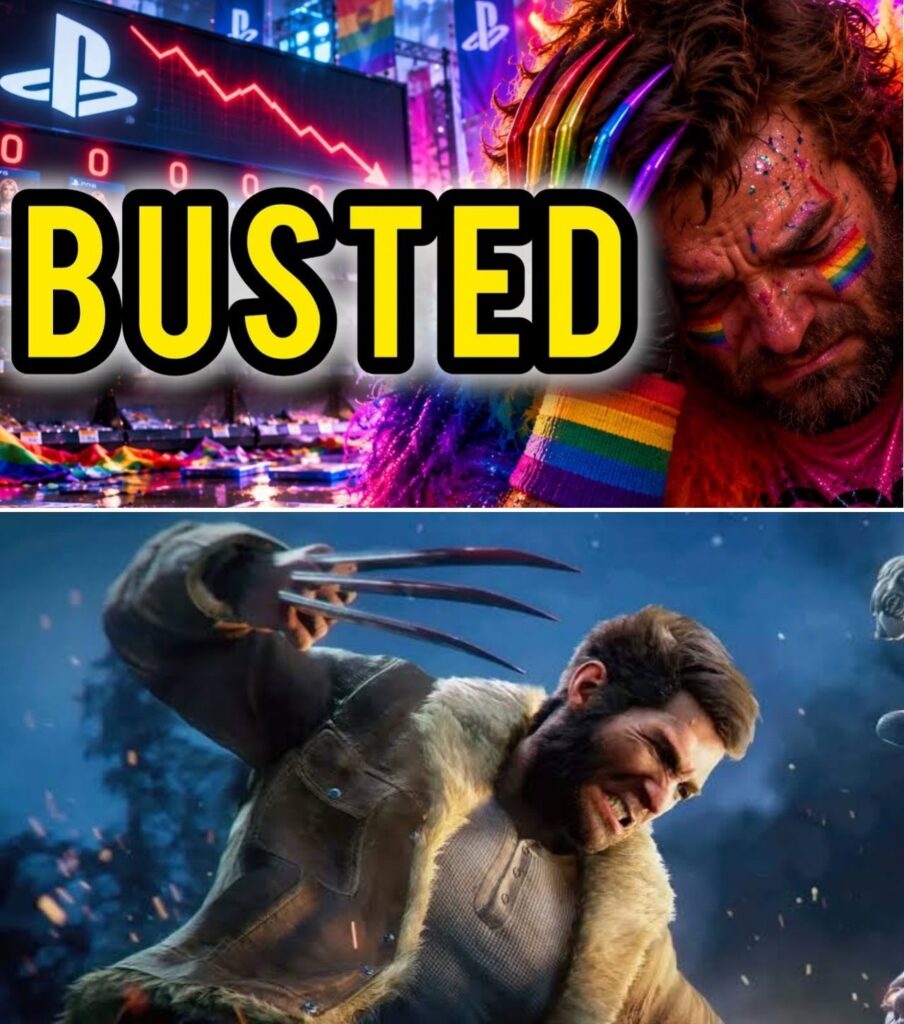
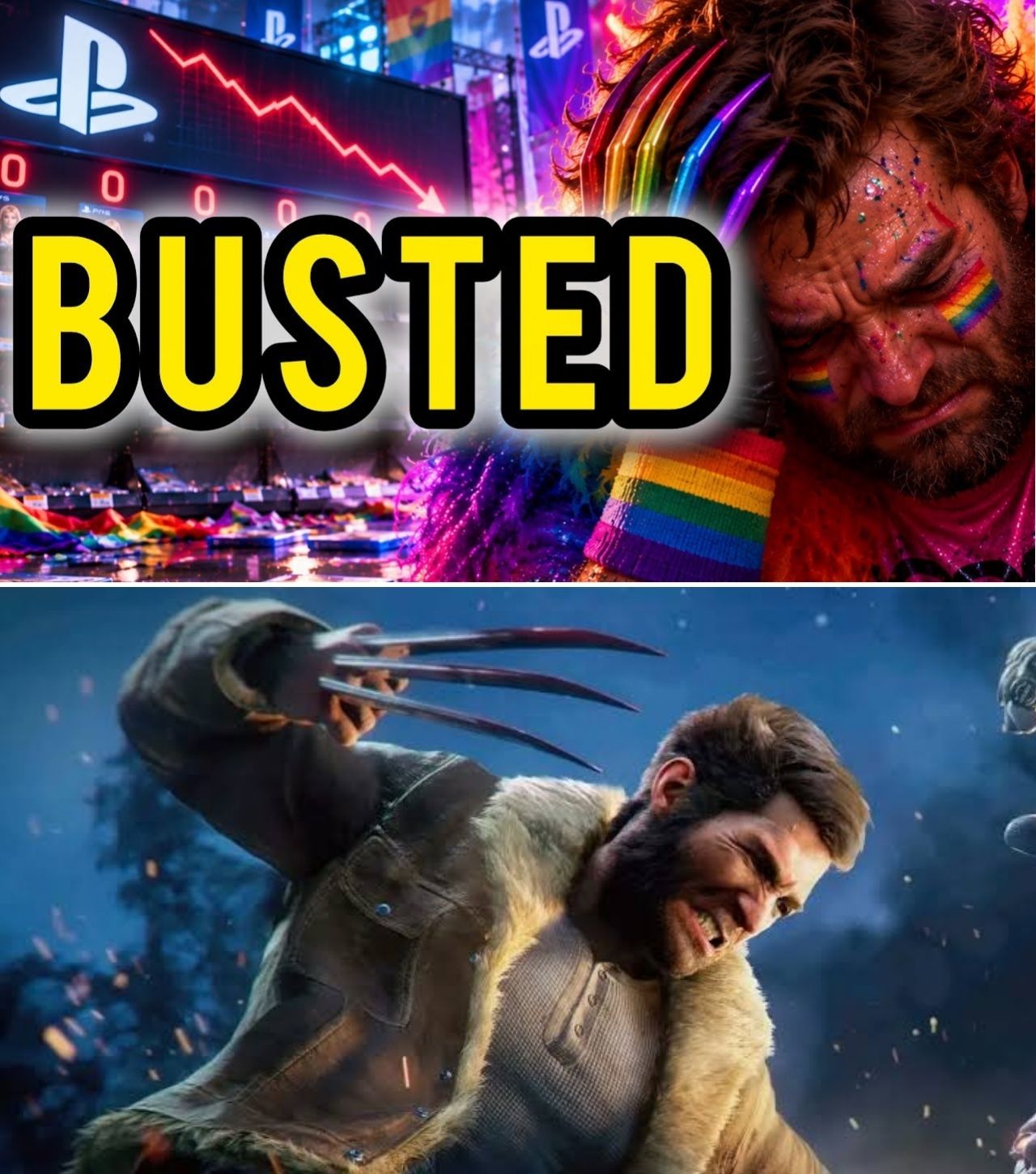
🚨 TWO WEEKS LATER: WHY IS SONY SILENT ON WOLVERINE SALES?! 🚨
When Marvel’s Spider-Man 2 dropped, Sony couldn’t wait 24 hours to brag about selling 2.5 million copies. But now? Two full weeks after the high-profile launch of Insomniac’s Marvel’s Wolverine, Sony PlayStation headquarters has gone DEAD SILENT. 🤫📱
No official celebratory infographics. No executive press releases. Nothing.
So what is corporate PlayStation hiding? 👇
Third-party analytics firms like Alinea Analytics estimate the game moved around 1.9 million units in its opening weekend, generating $130 million. On paper, that sounds like a monster win… until you look at Insomniac’s leaked internal budget files.
With a gargantuan development budget surpassing $300 MILLION to $315 MILLION, Marvel’s Wolverine needs to sell roughly 5 to 6 MILLION full-price copies just to reach breakeven! Add in massive post-launch backlash over visual bugs, contentious UI choices, and controversial “yellow-paint / scent-trail” mechanics—and experts warn initial sales may have already hit a brick wall.
Did Sony keep quiet because the game is secretly a massive commercial flop, or are corporate accountants terrified of admitting that $300M AAA budgets are officially UNSUSTAINABLE?
The breakdown of the leak numbers, sales projections, and the silence from PlayStation HQ will blow your mind 👇 🔥 Read the full investigative report:
In the high-stakes world of corporate video game publishing, corporate silence often speaks far louder than press releases.
When PlayStation Studios launches a flagship blockbuster, the marketing protocol is usually predictable and fast: if a game shatters records, Sony Interactive Entertainment (SIE) releases flashy social media infographics within 24 to 72 hours, boasting about day-one sales figures, record-breaking digital downloads, and global milestone achievements.
When Marvel’s Spider-Man 2 released in 2023, Sony proudly announced 2.5 million units sold in 24 hours. When Ghost of Yōtei debuted, Sony broadcasted its 3.3 million milestone within weeks.
Yet, fourteen days after the global release of Insomniac Games’ Marvel’s Wolverine, PlayStation’s official corporate newsroom remains completely silent.
No official sales press releases have been issued. No celebratory executive quotes have been shared on X (formerly Twitter). The absence of official data has ignited a massive debate across Reddit, YouTube, Discord, and financial analytics circles: Is Marvel’s Wolverine a secret commercial failure, or is Sony navigating a terrifying financial reality where even a multi-million-unit launch fails to cover modern AAA development costs?
Part I: Third-Party Data vs. Corporate Silence
While Sony refuses to release official figures, third-party market intelligence firms have stepped in to fill the information void.
According to preliminary estimates from gaming data analytics firm Alinea Analytics, Marvel’s Wolverine moved an estimated 1.9 million copies on PlayStation 5 during its opening three days, generating approximately $130 million in gross revenue.
+-----------------------------------------------------------------------------------+
|               ESTIMATED LAUNCH REVENUE (ALINEA ANALYTICS DATA)                    |
+--------------------------+--------------------------------------------------------+
| Marvel's Wolverine (PS5) | $130.0 Million (1.9M units in first 72 hours)          |
+--------------------------+--------------------------------------------------------+
| NBA 2K27                 | $127.0 Million                                         |
+--------------------------+--------------------------------------------------------+
| Ghost of Yōtei           | $121.9 Million                                         |
+--------------------------+--------------------------------------------------------+
| Death Stranding 2        | $51.7 Million (Lifetime PS5 Revenue to date)           |
+--------------------------+--------------------------------------------------------+
On the surface, selling nearly 2 million units in 72 hours appears to be a massive success. In fact, third-party data indicates that Logan’s solo adventure outpaced opening-weekend revenues for other high-profile 2026 releases like Death Stranding 2 and Resident Evil Requiem.
So why hasn’t Sony declared victory?
“The issue isn’t whether Wolverine sold well compared to average games,” explained industry commentator Minimal Effort during a recent stream. “The issue is whether Wolverine sold well compared to its catastrophic, ballooned production budget. When a game costs over $300 million to make, selling two million copies at launch doesn’t put you in the green—it puts you in a financial hole.”
Part II: The $315 Million Breakeven Trap
To understand why Sony executives might be hesitant to celebrate, one must look back at the historic Insomniac Games internal document leaks from late 2023.
The leaked internal presentation files revealed that Marvel’s Wolverine carried an estimated total production and marketing budget of $305 million to $315 million. Due to licensing royalty agreements with Marvel, heavy engine development costs, and inflated motion-capture budgets, financial analysts calculated that the game requires a minimum of 5.5 million to 6 million full-price sales ($70 USD) just to reach breakeven.
+-----------------------------------------------------------------------------------+
|                     THE WOLVERINE FINANCIAL BREAKEVEN DILEMMA                     |
+--------------------------+--------------------------------------------------------+
| Total Production Budget  | ~$305M – $315M (Including Marvel licensing royalties)   |
+--------------------------+--------------------------------------------------------+
| Launch Revenue (72 Hrs)  | ~$130 Million (~1.9M units sold)                       |
+--------------------------+--------------------------------------------------------+
| Breakeven Threshold      | ~5.5M – 6.0M full-price units (~$380M–$420M Gross)     |
+--------------------------+--------------------------------------------------------+
| Current Financial Deficit| Deficit of ~$170M+ needed to reach profitability        |
+--------------------------+--------------------------------------------------------+
When analyzing the initial 1.9 million estimate:
-
Pre-Orders Heavy: Market data indicates over 1.0 million of those initial 1.9 million sales were front-loaded digital pre-orders from hardcore Marvel and Insomniac fans.
-
Rapid Drop-Off: Early second-week physical disc and digital tracking show a steep sales decline, suggesting casual consumer adoption slowed dramatically post-launch.
-
Licensing Squeeze: Unlike original IP like Astro Bot or Ghost of Tsushima, a significant percentage of every Wolverine sale goes directly to Disney/Marvel as licensing fees, further reducing Sony’s net margin.
“If 1.0 million of your 1.9 million sales were pre-orders, your long-tail legs are in serious danger,” noted a top-voted financial breakdown on r/KotakuInAction. “If casual gamers aren’t picking the game up in week two or three, hitting 6 million copies before deep holiday discounts take effect becomes nearly impossible.”
Part III: Mechanics, UI Backlash, and “Fart Gas” Memes
While financial calculations explain part of the executive hesitation, widespread player backlash regarding gameplay design choices heavily damaged word-of-mouth marketing during launch week.
Upon release, social media platforms were flooded with clip compilations mocking specific gameplay mechanics and UI design choices:
-
The “Scent Trail” / “Fart Gas” Controversy: To simulate Wolverine’s mutative tracking senses, Insomniac introduced a glowing visual overlay highlighting scent trails in bright yellow and green neon hues. Gamers on TikTok and X quickly dubbed the visual effect “fart gas,” turning a core tracking mechanic into a widely shared viral joke.
-
Intrusive UI and Hand-Holding: Players criticized heavy screen clutter, yellow-painted ledges, and frequent NPC verbal hints during puzzle sequences, echoing complaints seen in other modern AAA releases.
-
Animation and Visual Glitches: Despite high production values, launch-version clips showed visual clipping during brutal finisher animations and frame-rate stutters during complex combat encounters.
+-----------------------------------------------------------------------------------+
|                      PLAYER COMMUNITY BACKLASH SUMMARY                            |
+--------------------------+--------------------------------------------------------+
| "Scent Trail" Visuals    | Dubbed "fart gas" on TikTok; criticized for overly     |
|                          | intrusive neon green/yellow visual clutter.            |
+--------------------------+--------------------------------------------------------+
| Narrative Pacing         | Complaints over linear design & lack of open exploration|
|                          | compared to Insomniac's Spider-Man franchise.          |
+--------------------------+--------------------------------------------------------+
| Developer Response       | Insomniac promised post-launch patches to add toggle   |
|                          | options for scent-trail visual indicators.             |
+--------------------------+--------------------------------------------------------+
Recognizing the negative discourse, Insomniac Games issued a public statement addressing player feedback, confirming that upcoming title updates would include toggle options allowing players to disable or reduce the visual intensity of tracking effects.
However, for a game relying on strong word-of-mouth recommendations to reach its 6-million-unit breakeven goal, the early week of viral meme mockery severely dampened casual consumer enthusiasm.
Part IV: The “Spider-Man Expectation” Comparison
The silence surrounding Marvel’s Wolverine is exacerbated when compared to Insomniac’s previous blockbuster hit, Marvel’s Spider-Man 2.
Spider-Man as a global brand appeals across all demographic tiers, including children, casual audiences, and hardcore comic readers. Conversely, Wolverine was deliberately designed as a mature, rated-M title featuring visceral gore, dismemberment, and darker thematic elements.
By restricting the target audience to mature players, Sony inherently capped the title’s commercial ceiling.
| Comparison Metric | Marvel’s Spider-Man 2 (2023) | Marvel’s Wolverine (2026) |
| ESRB Rating | Teen (Broad Audience) | Mature 17+ (Restricted Audience) |
| Day 1 Sales (Official) | 2.5 Million Units in 24 Hours | Silence (Est. 1.9M in 72 Hours) |
| World Structure | Open-World New York Exploration | Linear / Semi-Open Action Stages |
| Commercial Evergreen | High (Multi-Year Evergreen Seller) | Moderate (Front-loaded Fan Purchase) |
“You cannot spend $300 million on a rated-M linear character action game and expect Spider-Man numbers,” argued gaming YouTuber Minimal Effort. “Spider-Man sells toys, pajamas, and lunchboxes. Wolverine is a gory, rage-filled brawler. The market size for an M-rated Wolverine game is simply smaller, yet Sony spent Spider-Man-level money to make it.”
Part V: The Broader AAA Collapse — Is the $300M Model Dead?
The silence surrounding Marvel’s Wolverine highlights a systemic crisis facing the entire AAA video game industry in 2026: The unsustainable escalation of development costs.
Over the past decade, AAA game budgets have ballooned exponentially due to:
-
Extended Development Timelines: Projects taking 5 to 7 years instead of 2 to 3 years.
-
Massive Studio Headcounts: Teams growing from 100 developers to over 400–600 full-time staff and outsourced agencies.
-
Licensing Fees & Hollywood Talent: Paying multi-million-dollar royalties to IP holders like Marvel/Disney alongside high-profile voice actors and motion-capture performers.
When a game costs $300 million, selling 2 million copies—a feat that would represent a historic triumph for an independent developer—is treated internally as a financial disappointment.
As Sony continues cost-cutting measures across PlayStation Studios—recently shuttering live-service experiments, cancelling unannounced projects, and scaling back external contracts—the commercial performance of Marvel’s Wolverine serves as a stark warning sign.
Conclusion: The Danger of Silent Failure
Two weeks post-launch, Sony’s refusal to issue an official sales figure for Marvel’s Wolverine speaks volumes about the state of PlayStation’s first-party strategy.
While Marvel’s Wolverine is by no means an objective disaster—having generated $130 million in its opening weekend and earning respectable reviews from action game enthusiasts—it exists as a victim of its own corporate scale.
If a game starring one of Marvel’s most famous superheroes, crafted by one of PlayStation’s premier developers, struggles to comfortably clear its $300 million breakeven bar, the current AAA blockbuster model is officially broken.
Until Sony breaks its corporate silence, the gaming world will continue to watch, calculate, and ask the ultimate question: How long can PlayStation sustain $300 million blockbusters before the math completely falls apart?

Leave a Reply