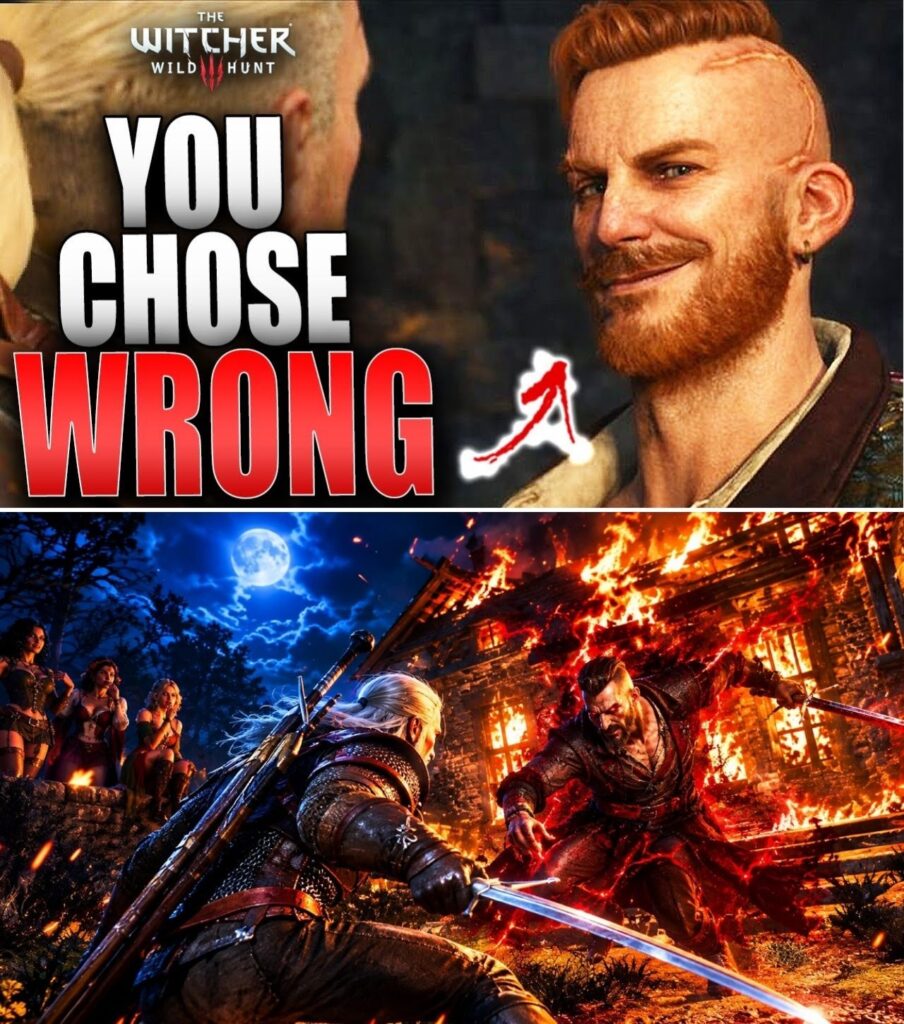



Stop calling it the “Good Ending”! 🛑😈
For years, The Witcher 3: Hearts of Stone players have treated saving Olgierd von Everec from Gaunter O’Dimm as the definitive “Good Ending.” But when you actually peel back the romanticized noble facade… did Geralt just save a monsters’ monster?
Before Olgierd ever made a pact with the Devil, and long before his heart turned to stone, he wasn’t a tragic victim. He was a ruthless noble bandit who raided poor Redanian and Temerian villages for sport. He sacrificed his own loving brother Vlodimir, murdered his father-in-law, trapped his wife Iris in a nightmare realm guarded by demonic constructs, and cursed an Ofieri prince into a monster.
So why does the gaming community treat letting him walk away scot-free as the “moral high ground”?
Is handing his soul to Gaunter O’Dimm too cruel, or is letting a murderer off the hook even worse? Check out the dark breakdown of the Expansion’s biggest moral illusion below 👇📜
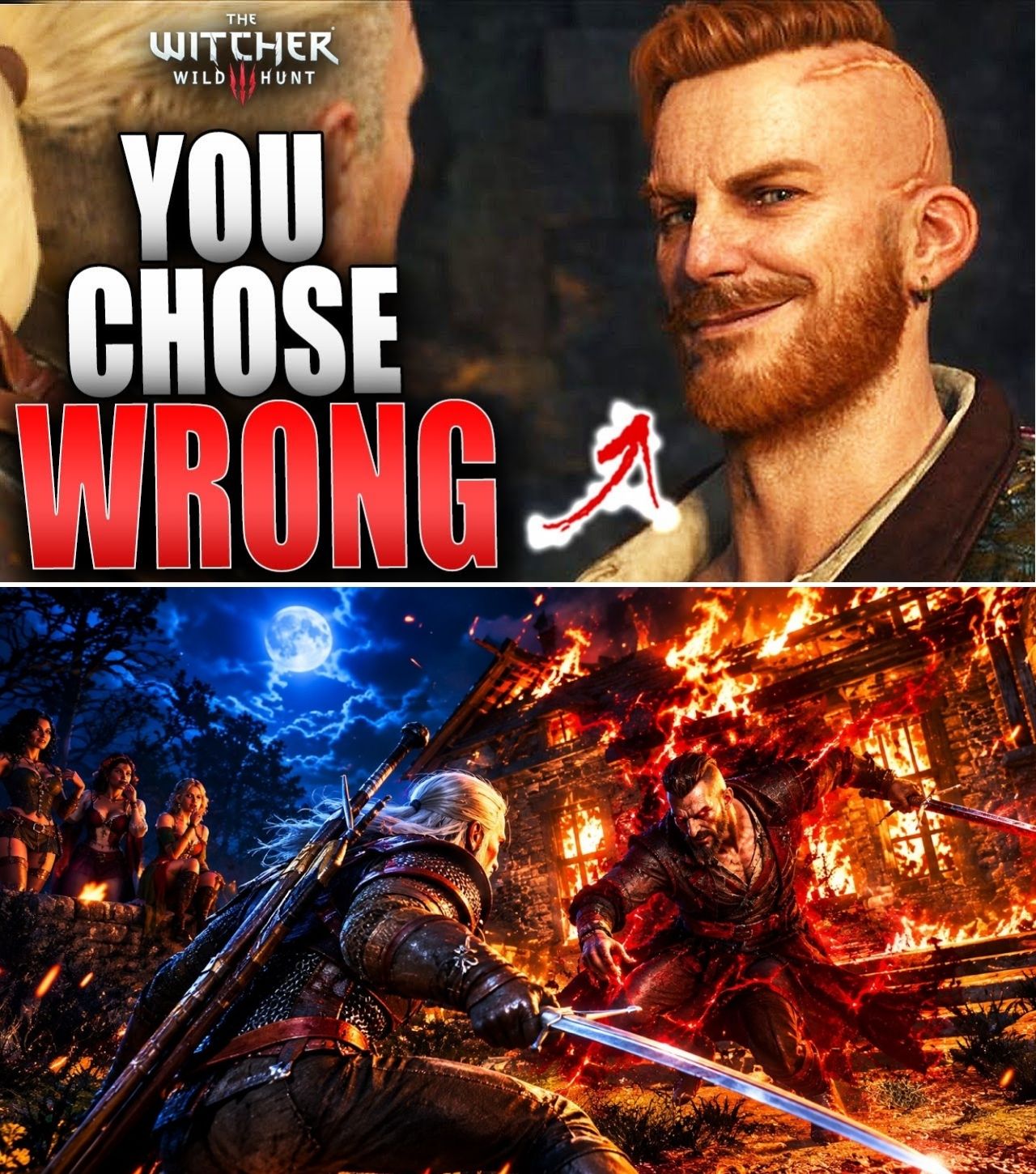
For nearly a decade, players of CD Projekt RED’s critically acclaimed expansion The Witcher 3: Hearts of Stone have classified its climax into two simplistic categories: the “Good Ending” (where Geralt outsmarts Gaunter O’Dimm to save Olgierd von Everec) and the “Bad Ending” (where Geralt stands aside and lets O’Dimm harvest Olgierd’s soul).
However, a detailed lore analysis by Witcher scholar WitcherDoron—titled “NO — Saving Olgierd Is NOT The ‘Good Ending'”—argues that labelling Olgierd’s survival as “good” is a fundamental misinterpretation of the game’s core philosophical theme: The Lesser Evil.
When examining Olgierd’s actions prior to receiving his supernatural curse, evidence proves that von Everec was never a tragic victim of circumstance, but rather a cruel, irredeemable bandit whose sin predated his encounter with evil incarnate.
1. The Pre-Pact Fallacy: Banditry for Sport
A common defense of Olgierd von Everec is that his atrocity-laden record—murdering his father-in-law, cursing the Ofieri prince, and abandoning his wife Iris—was the direct result of Gaunter O’Dimm turning his heart into literal stone.
However, lore documents and environmental storytelling reveal a far darker truth about Olgierd’s life before his dark magic pact:
-
Aristocratic Raiding: Long before losing his family fortune, Olgierd and his brother Vlodimir led the “Wild Ones”—a group of bored nobles who raided vulnerable peasant settlements along the Temerian borderlands purely for entertainment and sport.
-
Parallel to Gaunter O’Dimm: Just as Gaunter O’Dimm torments mortals for personal amusement, Olgierd inflicted terror on helpless villagers despite possessing immensurable wealth and status. His meeting with Master Mirror was not a tragic accident, but karmic retribution.
2. The Unforgivable Sacrifices
To restore his wealth and wed Iris, Olgierd willingly sought out dark magic and summoned Gaunter O’Dimm. The price Olgierd knowingly paid refutes any narrative of innocence:
-
Fratricide: Olgierd willingly sacrificed his own brother, Vlodimir von Everec—who adored Olgierd and trusted him implicitly—to fulfill Master Mirror’s pact.
-
The Entrapment of Iris: After losing his ability to feel emotion, Olgierd bound demonic entities (The Caretaker, The Cat, and The Dog) to hold his wife hostage in a decaying mansion, trapping her spirit in an eternal painted nightmare.
-
Casual Violence: Olgierd knowingly sent Geralt to fight the Toad Prince without disclosing its true identity, and brutally executed rivals while burning innocent estates to the ground.
3. The Moral Dilemma: No Clean Hands
The conclusion of Hearts of Stone presents Geralt with a choice where neither path yields justice:
| Choice | Consequences | Philosophical Flaw |
| Banish Gaunter O’Dimm (Save Olgierd) | Olgierd’s heart melts, he feels remorse, receives Iris’s family sword Iris, and walks away a free man. | A unrepentant bandit and murderer avoids divine or mortal justice for decades of terror. |
| Let O’Dimm Claim Olgierd | O’Dimm claims Olgierd’s soul, torturing him until the stars burn out, while rewarding Geralt with endless gold or food. | Geralt acts as an accomplice to Evil Incarnate, condemning a human soul to eternal damnation. |
“Ideally, the true Witcher response would mirror the Morkvarg quest in Skellige,” notes WitcherDoron. “Free Olgierd from his curse so he experiences the weight of his sins, and then execute him for his crimes. Leaving him to wander free without answering for the lives he destroyed isn’t a good ending—it’s letting a murderer off the hook.”
The Verdict: CDPR’s Masterclass in Moral Grayness
The debate surrounding Olgierd von Everec illustrates why Hearts of Stone is regarded as one of the greatest narrative achievements in video game history.
By tricking players into feeling empathy for a charismatic, tragic noble clad in polished robes, CDPR successfully seduced players into overlooking atrocities that rival those of the monsters Geralt hunts for coin.
In the world of The Witcher, there are rarely happy endings—only choices between varying shades of gray.

Leave a Reply