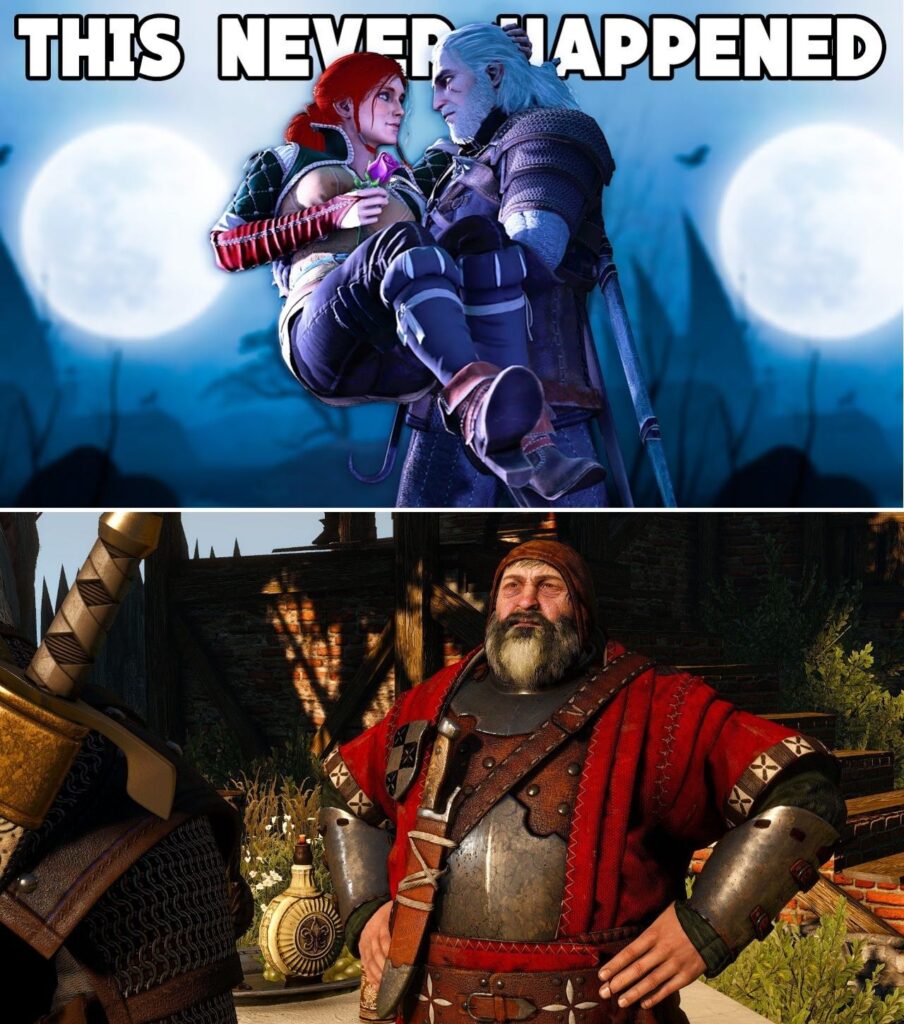



🚨 THEY LIED TO US: 5 MASSIVE CHOICES THE WITCHER 3 NEVER LET YOU MAKE! 🚨
We’ve all praised The Witcher 3: Wild Hunt for giving players ultimate freedom. You choose who lives, who dies, who rules the Northern Realms, and who claims the heart of the White Wolf. But behind the illusion of absolute choice lies a dark secret: CD Projekt Red secretly stripped away your power on some of the most critical decisions in gaming history! 🤬💥
From being forced into a painfully rigid political assassination plot where your hands are completely tied, to narrative dead-ends where Geralt of Rivia has to swallow his own principles because the script demands it—the Continent isn’t as open as you think. Why couldn’t Geralt walk away from certain disastrous setups? Why did the developers lock us out of endings we rightfully earned through blood and sweat? 📉
The illusion of choice is finally being shattered, and the community is losing its mind over what could have been! 💣
Did you fall for CDPR’s ultimate narrative traps, or did you spot the missing choices on your very first playthrough? Drop your thoughts, or click below to uncover the 5 decisions the game literally wouldn’t let you make! 👇🔥
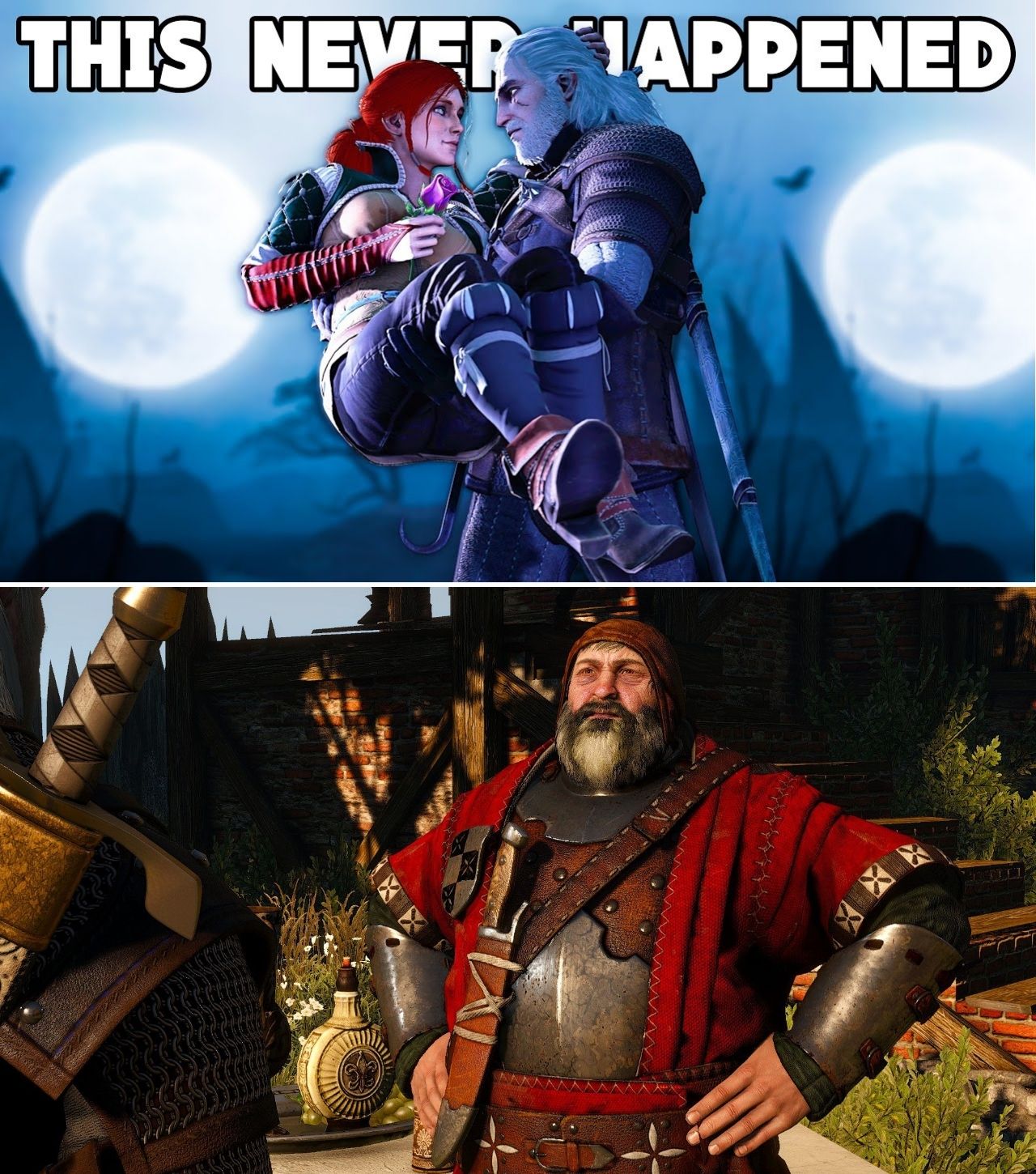
For years, CD Projekt Red’s The Witcher 3: Wild Hunt has stood as the gold standard for player agency in modern role-playing games. From the branching tragedies of the Bloody Baron’s family in Velen to the complex political chess matches of Novigrad and Toussaint, the game masterfully cultivates the impression that every swing of Geralt’s silver sword and every dialogue choice ripples across the Continent. Yet, beneath the veneer of infinite freedom lies a tightly scripted architecture.
A closer examination of community retrospectives, game files, and analysis by content creators like Neon Knight reveals a fascinating reality: The Witcher 3 routinely forces players down rigid corridors, blocking off logical alternatives and denying choices that seem painfully obvious to anyone familiar with the lore. Here are five crucial decisions that the game simply would not allow you to make.
1. You Couldn’t Walk Away from the Political Bloodbath of ‘Reason of State’
Perhaps the most infamous narrative bottleneck in the entire trilogy occurs during Reason of State, the final-act quest in Novigrad where Geralt, Vernon Roche, Ves, and Thaler join forces with Sigismund Dijkstra to assassinate the mad King Radovid V of Redania.
For players deeply invested in the geopolitics of the Northern Realms, the quest sets up an agonizing dilemma: once Radovid is dead, Dijkstra reveals his grand design to seize absolute power over the North, immediately ordering the execution of Roche, Ves, and Thaler for treason.
The game presents you with a binary choice, but both options feel deeply uncharacteristic for the White Wolf. You must either stand aside and let your longtime allies be butchered by Dijkstra’s henchmen, or draw your sword and strike down one of the most brilliant masterminds in the Witcher universe. What the game refuses to let you do is walk away. As a professional Witcher who has repeatedly sworn off political entanglements and promised to remain neutral in the wars of kings, Geralt’s most logical and lore-accurate response would be to pack up his gear, mount Roach, and let the politicians slaughter each other. Instead, CDPR forces a contrived, bloody confrontation that robs players of true neutrality.
2. You Couldn’t Warn Ciri About the Emperor’s True Intentions Without Meta-Gaming
Following the emotional climax at Kaer Morhen, when Geralt reunites with Ciri, he is faced with a pivotal turning point: whether to take her to Vizima to meet her biological father, the Nilfgaardian Emperor Emhyr var Emreis.
From a roleplaying perspective, a protective father figure who spent years tracking across dimensions to keep Ciri safe from power-hungry monarchs would instinctively recoil at throwing her back into the viper’s nest of imperial politics. Yet, the game deliberately obscures the long-term consequences of this choice.
Players are given no narrative tools or dialogue options to warn Ciri about Emhyr’s political motivations or to discuss the dangers of royal obligations before making the journey. If you choose to take her out of a sense of narrative thoroughness, you are locked into a rigid path that fundamentally shifts her destiny toward becoming Empress—completely bypassing any chance for Geralt to counsel her against trading one cage for another based on transparent imperial ambition.
3. You Couldn’t Deny the Triss and Yennefer Ultimatum Without Ending Up Alone
Romance in The Witcher 3 is legendary, particularly for the disastrous consequences that befall players who try to play both sides. If Geralt attempts to romance both Triss Merigold and Yennefer of Vengerberg, the two sorceresses orchestrate a clever trap during the quest The Last Wish, luring him to a bed in a tavern only to tie him to the frame, mock him mercilessly, and leave him stranded in the cold.
While this serves as a brilliant, meme-worthy punishment for greedy players, the game goes a step further by denying a vital alternative: the option for Geralt to genuinely love neither of them and remain a solitary Witcher wandering the Path.
If you decline to romance either sorceress, Geralt is shunted into a lonely epilogue with no meaningful romantic closure, despite the fact that book-accurate Witcher lore often depicts Geralt navigating complex emotional spaces or finding peace outside of high-stakes sorceress entanglements. The game forces a binary romance system where neutrality results in emotional isolation rather than respectful independence.
4. You Couldn’t Sparsely Manage Ciri’s Confidence Without Memorizing the ‘Good Ending’ Checklist
The ultimate fate of Ciri—whether she survives the White Frost, becomes a Witcher, ascends as Empress, or tragically perishes—hinges entirely on five specific interactions scattered throughout the second half of the game.
While freedom of choice is usually praised, the criteria governing Ciri’s fate feel less like organic roleplaying and more like an arbitrary psychological quiz with hidden grading. For instance, whether you choose to share a snowball fight or down bottles of alcohol with her after Vesemir’s death, or whether you accompany her to Skjall’s grave, dictates life or death.
More frustratingly, the game refuses to let Geralt balance his parenting style organically. If you make two “supportive” choices that allow Ciri autonomy (such as letting her visit the Lodge of Sorceresses alone and trashing Avallac’h’s laboratory), but slip up on a third interaction by trying to protect her or taking her to the Emperor, the game punishes you with the darkest, most devastating ending. Players are denied the ability to express complex, nuanced parental concern; you must either follow the strict checklist of modern progressive parenting in a medieval fantasy world or doom the child you fought an entire dimension to save.
5. You Couldn’t Refuse Lambert’s Vengeance Quest Without Breaking the Brotherhood
In The Final Trials, Geralt accompanies the younger Witcher Lambert to track down and eliminate Karven, a mage who betrayed their fellow Wolf School Witcher, Aiden. Throughout the quest, Lambert’s bitter, abrasive personality is on full display as he chases personal vengeance across the rugged mountains of Kaer Morhen.
While Geralt frequently preaches detachment, caution, and the code of avoiding unnecessary bloodshed, the game allows zero room for restraint in this storyline. You cannot counsel Lambert to let go of his hatred, nor can you refuse to participate in the ambush without permanently locking yourself out of cooperative Kaer Morhen content.
As a veteran Witcher who has watched generations of his brothers tear themselves apart over petty vendettas, Geralt’s logical choice should be to talk Lambert down from a suicidal and morally murky revenge plot. Instead, the script demands that Geralt pick up his sword, join the execution squad, and see the vendetta through to its bloody conclusion, proving that even at the cradle of the Witcher order, individual conscience must take a backseat to linear quest design.
Conclusion: The Scars of a Masterpiece
The fact that players continue to dissect, debate, and occasionally chafe against these narrative restrictions speaks volumes about the immersive power of The Witcher 3: Wild Hunt. CD Projekt Red crafted a world so reactive and believable that whenever the seams show—whenever the script forces Geralt’s hand or denies a logical path—it feels all the more glaring.
These five unmade choices remain the ultimate reminder that even on the Continent, not even the White Wolf can bend the narrative to his absolute will.

Leave a Reply