


🚨 EA JUST PULLED THE PLUG ON BIOWARE—AND THE INTERNET IS IN AN ABSOLUTE WAR ZONE! 💣💥
It’s official: Electronic Arts has officially SHUT DOWN legendary RPG developer BioWare and CANCELED the highly anticipated next Mass Effect! Over 400 industry workers are thrown out on the street, and corporate executives are dropping the PR filters to focus purely on bottom-line restructuring.
While mainstream media headlines label the studio’s collapse as a victim of anti-“woke” backlash following Dragon Age: The Veilguard, disgruntled veterans and hardcore fans are exposing the REAL internal nightmare…
Was it aggressive corporate greed? Pushing ideological agendas over gameplay polish? Or did EA use culture war noise as a scapegoat to quietly wipe out a 30-year legacy for a $700M cost-cutting spree?
The receipts, leaked insider threads, and explosive developer meltdowns are spilling out everywhere right now. You won’t believe what ex-BioWare leads are saying about EA executives… 👇🔥
👉 READ THE FULL UNFILTERED INDUSTRY BREAKDOWN HERE:
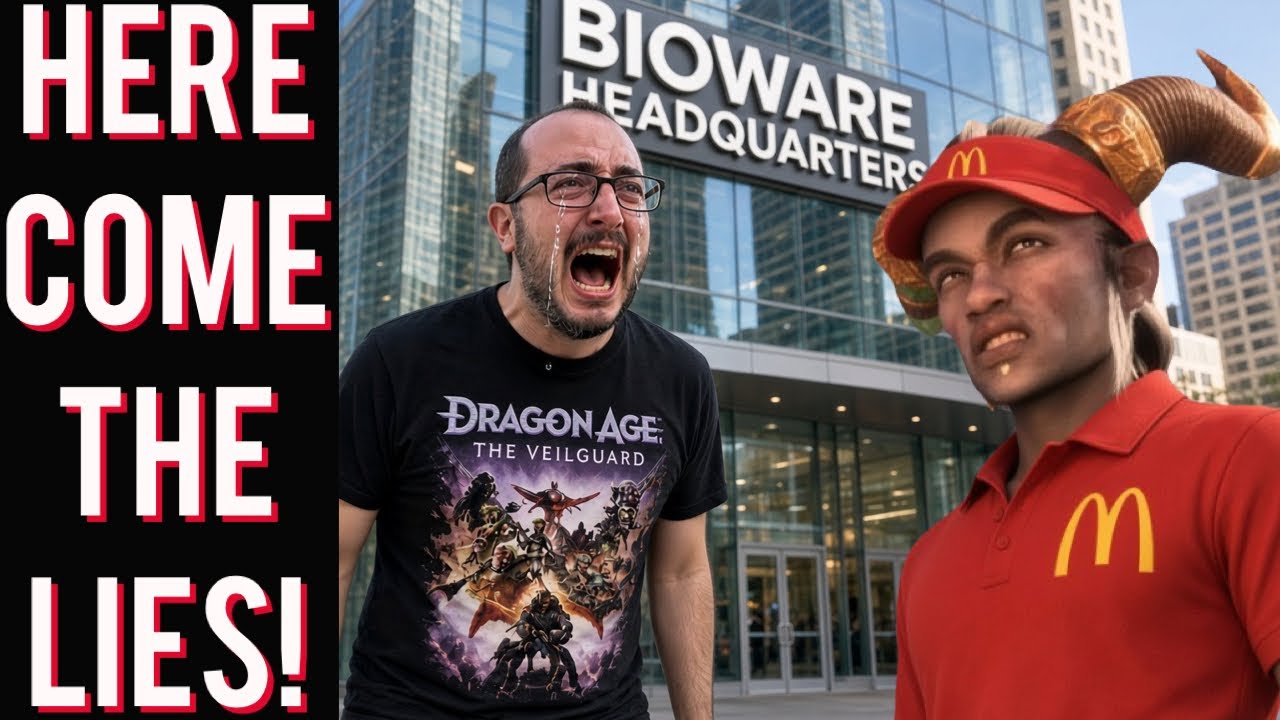
In what commentators are calling one of the most tragic and polarizing shifts in modern interactive entertainment history, Electronic Arts (EA) officially shuttered BioWare—the legendary studio responsible for franchise landmarks including Mass Effect, Dragon Age, and Star Wars: Knights of the Old Republic—terminating early development on the next Mass Effect title and laying off roughly 400 employees across the enterprise.
The October 2026 announcement sent shockwaves through global gaming communities, triggering immediate outpourings of grief from veteran developers and heated debates across platforms like Reddit, X, YouTube, and subculture forums.
However, as the dust settles on the physical closure of BioWare’s Edmonton offices, the narrative surrounding the studio’s demise has fragmented into a ferocious debate. On one side, financial headlines and conservative outlets have framed the shutdown as the inevitable failure of a “woke” creative shift following the polarizing release of Dragon Age: The Veilguard. On the other, former developers and industry advocates point to corporate mismanagement, aggressive investor savings targets, and corporate cynicism that prioritized short-term balance sheets over long-term creative execution.
The Announcement: 30 Years of History Wiped for Restructuring
The closure arrived as part of EA’s broader corporate restructuring plan aimed at securing up to $700 million in cost savings. EA leadership confirmed that approximately 50 core BioWare staff, along with hundreds of auxiliary positions across global operations, were impacted by the layoffs.
In a brief corporate statement, EA acknowledged BioWare’s 30-year legacy of narrative-driven role-playing games, but emphasized a strategic realignment toward core sports franchises, live-service platforms, and high-yield intellectual properties.
┌─────────────────────────────────────────────────────────────┐
│               BioWare Closure & Restructuring Data          │
├──────────────────────────────┬──────────────────────────────┤
│ Metric                       │ Value / Status               │
├──────────────────────────────┼──────────────────────────────┤
│ Parent Company               │ Electronic Arts (EA)         │
│ Impacted Employees           │ ~400 Corporate-Wide (50 Bio) │
│ Cost Savings Target          │ Up to $700 Million           │
│ Canceled Projects            │ Next Mass Effect (Early Dev) │
│ Status of Key IPs            │ Owned by EA (Dormant/For Sale)│
└──────────────────────────────┴──────────────────────────────┘
Data compiled from corporate filings and industry reporting.
Former Dragon Age and Anthem Executive Producer Mark Darrah addressed the shutdown on YouTube, pointing out the stark reality of corporate ownership:
“Remember, BioWare was 100% owned by EA. EA owns all the IPs—Dragon Age, Mass Effect, Jade Empire. That doesn’t change the situation… Now, there’s nobody working on a BioWare game within the EA organization, and chances are there never will be,” Darrah stated.
For developers across the globe, the shutdown signaled the end of an era. “Eff me. Not BioWare, too,” wrote Dave Gilbert, founder of Wadjet Eye Games. “I can’t think of a studio that has had a bigger influence on me… I’ll never stop feeling angry when studios with tremendous legacies just get bought and killed off for parts.”
“Woke” Accusations vs. Commercial Reality: Deciphering the Narrative
Almost instantly following news of the closure, commentators on social media and tabloid outlets seized on the “culture war” framing. Headlines labeling BioWare as a “woke studio” that paid the ultimate price surged across X and YouTube.
The primary catalyst for this discourse was Dragon Age: The Veilguard. While the game earned acceptable scores from mainstream critics, its reception among core RPG fans was intensely divisive. Content creators on YouTube channels such as Nerdrotic and Geeks + Gamers argued that BioWare’s modern writing staff prioritized identity politics, heavy-handed dialogue, and modern social tropes over the dark fantasy grit that defined Dragon Age: Origins.
On Reddit’s r/KotakuInAction, online discussions focused on claims that creative focus had drifted away from fundamental gameplay design and narrative depth in favor of socio-political posturing:
“What BioWare proves is that you can’t focus on the message first, game second,” argued one widely shared Reddit comment. “You end up defending the ideology included in the game rather than focusing on building an exceptional RPG.”
However, industry analysts and financial reporters emphasize that neither EA nor BioWare ever attributed the studio’s shutdown to social politics or fan backlash. The “woke” designation originated entirely from external commentary.
Financial data paints a far more conventional corporate picture: BioWare had suffered from a decade-long streak of troubled development cycles. Following the critical and commercial disappointment of Mass Effect: Andromeda (2017) and the live-service disaster of Anthem (2019), the studio required over six years to deliver The Veilguard. In an industry where ballooning budgets require massive hits to justify extended production cycles, BioWare’s yield simply failed to meet EA’s Wall Street obligations.
┌─────────────────────────────────────────────────────────────┐
│                 The Two Sides of the BioWare Debate         │
├──────────────────────────────┬──────────────────────────────┤
│ "Culture War / Quality" View │ "Corporate Financial" View   │
├──────────────────────────────┼──────────────────────────────┤
│ • Focus on preachy dialogue  │ • Prolonged 6+ year dev cycles│
│ • Loss of dark fantasy grit  │ • Failure of live-service    │
│ • Alienation of core fanbase │ • $700M EA cost-cutting drive│
│ • Rejection of modern tropes │ • High overhead vs low yield │
└──────────────────────────────┴──────────────────────────────┘
Dev Community Outrage: “The Folks in Suits Should Lose Their Jobs”
While online forums debated ideology, current and former game developers focused their fury squarely on corporate executives.
The industry-wide wave of layoffs in 2025 and 2026 has left thousands of skilled creators out of work, driving prominent figures to openly attack the executive compensation structures that reward studio closures while penalizing floor staff.
One widely cited response from an industry developer published by Eurogamer summarized the anger felt by many creators:
“Anyone who participated in this travesty should be ashamed. Actually, maybe all of the people who participated—the folks in suits—should lose their damn jobs. I ask them to ponder this: What do you contribute to gaming? What price do you pay for failure? I’d love to see THEM on the unemployment line instead of the people who do real work.”
Voice actors who defined BioWare’s golden age, including Jennifer Hale and Mark Meer (the iconic female and male voices of Commander Shepard in Mass Effect), posted emotional tributes online, lamenting the loss of a studio that provided a home for complex, character-driven storytelling.
What Lies Ahead for Mass Effect and BioWare’s Legacy
The cancellation of the next Mass Effect project leaves one of science fiction gaming’s most cherished intellectual properties in complete limbo.
While EA retains full ownership of the Mass Effect, Dragon Age, and Jade Empire trademarks, industry insiders consider it highly unlikely that EA will greenlight internal developments for any of these franchises in the near future. Some analysts speculate that EA may eventually license or sell the intellectual properties to third-party studios seeking established narrative brands, while others predict the franchises will lie dormant for years.
The closure of BioWare serves as a stark reminder of the shifting realities of the modern games industry. As publishers abandon mid-tier or slow-yielding narrative studios in pursuit of lean, highly monetized live-service platforms, the era of the classic single-player RPG giant appears to be rapidly shrinking.
Whether history remembers BioWare as a victim of its own creative missteps, culture war polarization, or unyielding corporate greed, one fact remains undeniable: the landscape of story-driven gaming will never be the same again.

Leave a Reply