


ARE YOU KIDDING ME RIGHT NOW… 3 AM AND I CANNOT SHUT MY EYES BECAUSE OF THIS 7-PART MASTERPIECE?! 😱🔥
If you told me I would sacrifice an entire night of sleep over a book adaptation, I would have laughed in your face. But here we are. Millions of Netflix viewers are officially confessing the exact same thing: You press play on episode one just to pass the time… and the next thing you know, the sun is coming up and credits are rolling on episode seven! 😭💀
Based on an iconic, multi-million-copy bestselling novel that everyone swore could never be successfully translated to the screen, this addictive thriller is packed with narrative traps, devastating betrayals, and plot twists so jaw-dropping they’re literally breaking social media.
And the internet is completely split down the middle over THAT infamous ending:
-
Did the main character actually survive the final confrontation, or was it all a psychological illusion?
-
Why are book purists raging over how the adaptation changed the killer’s ultimate fate?
-
And what is the hidden clue in episode 3 that foreshadows the entire tragedy right under our noses?
People are calling it the most dangerously addictive binge-watch of the year—refusing to look away even for a second because every single minute peels back another layer of pure deception.
Warning: Do NOT start this if you have work, school, or any basic responsibilities tomorrow. You’ve been warned. 🛑👇
🔥 SEE WHY EVERYONE IS LOSING SLEEP & UNCOVER THE FULL TWIST HERE:
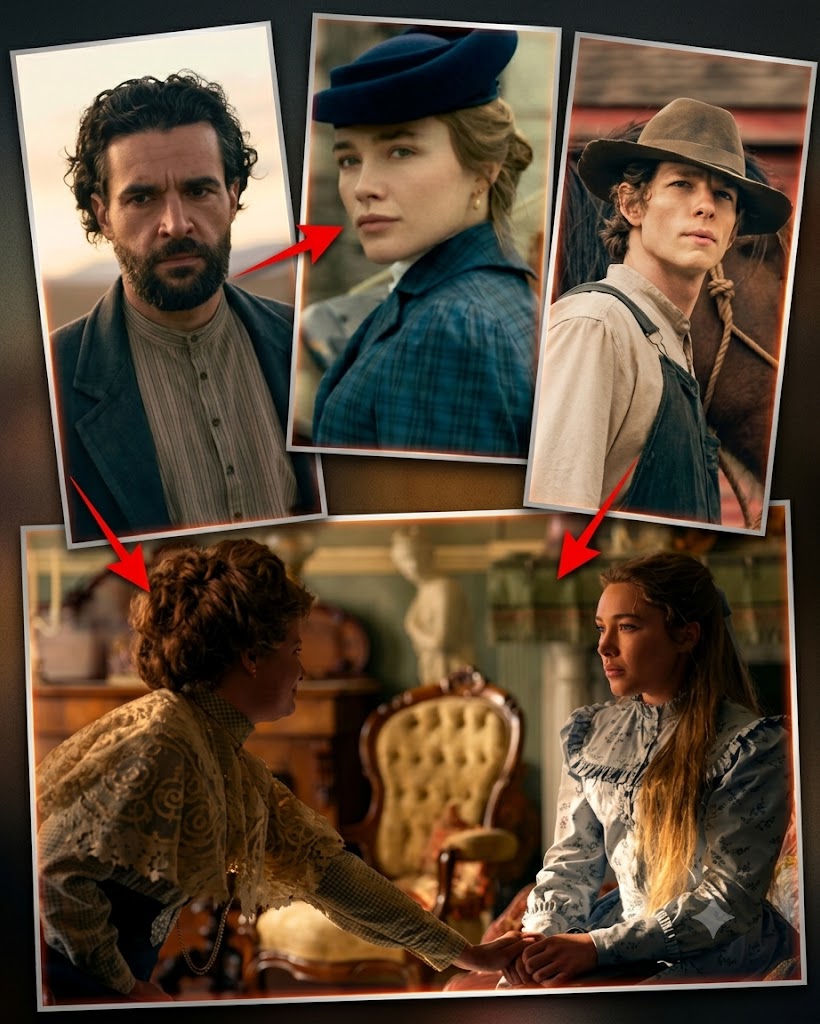
There is an unspoken curse that comes with clicking “Play” on Netflix’s latest 7-part television phenomenon. Across social media platforms, from exhausted TikTok creators to late-night Reddit threads, a unified warning is echoing through cyberspace: Clear your schedule, hide your clocks, and prepare to sacrifice your sleep.
Adapted from a powerhouse, universally acclaimed bestselling novel that spent months dominating international book charts, this tightly wound seven-episode limited series has achieved the holy grail of modern streaming. It has successfully captured the volatile, intoxicating essence of its source material while crafting an audiovisual experience so relentlessly gripping that audiences are refusing to turn it off until the final credits roll.
“I started episode one at 9:00 PM just to unwind,” writes a viral user on X (formerly Twitter). “At 4:30 AM, I found myself staring blankly at the wall, questioning every life choice I’ve ever made, while weeping over the finale. This show is a hazard to public health.”
THE ANATOMY OF A LITERARY PHENOMENON: HOW THE BOOK TRANSLATED TO SCREEN
To understand why this specific 7-part adaptation is breaking algorithmic records, industry analysts point to the unique structural brilliance of the original text. Unlike sprawling network procedurals that drag narratives across 20-episode seasons, a seven-part limited series operates like a ticking time bomb.
Every single episode is meticulously engineered to drop a narrative anchor, shifting perspectives, unearthing buried secrets, and weaponizing unreliable narrators in a way that leaves viewers gasping for air.
“When adapting a beloved bestseller, showrunners usually stumble by either changing too much or blindly copying text-to-screen without cinematic vision,” notes media critic and pop-culture essayist Marcus Vance. “This series dodged that bullet completely. It treats the source material with absolute reverence while injecting a frantic, cinematic pulse that makes the printed page feel alive, dangerous, and immediate.”
The plot centers on a deeply complex web of interpersonal deception, historical trauma, and a slow-burn mystery where nobody—absolutey nobody—is who they claim to be. As the narrative peels back layers of suburban respectability and dark personal histories, viewers are dragged into a labyrinth of moral ambiguity.
THE REDDIT RABBIT HOLE: THE CLUES FANS ARE OBSESSING OVER
Naturally, an overnight streaming sensation of this magnitude has turned online forums into digital crime scenes. Subreddits dedicated to TV thrillers have seen an influx of thousands of active users dissecting every frame, set design choice, and piece of background dialogue.
Among the most heavily debated topics across Reddit and Discord communities are:
-
The Visual Motifs: Fans have pointed out a recurring color palette shift—moving from sterile, oppressive blues in early episodes to suffocating amber tones as the central mystery unravels—mirroring the psychological disintegration of the main characters.
-
The Book vs. Screen Divergence: While the core narrative remains fiercely loyal to the bestselling novel, the final episode introduces a subtle, heart-wrenching twist regarding a secondary character’s fate that was entirely absent from the book. Purists are clashing with casual viewers over whether the change elevates the emotional payoff or betrays the original text.
-
The ‘Blink-and-You-Miss-It’ Easter Eggs: Dedicated sleuths are sharing timestamp clips highlighting subtle clues dropped as early as Episode 2 that point directly to the identity of the antagonist—clues so brilliantly disguised that most viewers miss them entirely on a first watch.
“I’ve rewatched the first three episodes twice already just to catch all the foreshadowing,” shares a top contributor on a trending television discussion thread. “The writer planted clues in plain sight. Every glance, every hesitation, every offhand comment carries double meaning once you know how the puzzle pieces fit together.”
THE POWERHOUSE PERFORMANCES DRIVING THE HYPE
While the intricate plotting provides the skeleton, it is the raw, emotionally pulverized performances of the ensemble cast that give the series its beating heart. Fronted by powerhouse acting talent, the lead performances avoid standard television tropes, opting instead for raw vulnerability, unpolished grief, and terrifying moments of psychological unraveling.
Critics have been particularly vocal in praising how the lead actors manage to make morally gray, deeply flawed characters entirely magnetic. You don’t just watch their descent into chaos; you feel complicit in it.
“The casting director deserves an award,” writes entertainment journalist Sarah Lin. “In a 7-part format, you don’t have the luxury of multi-season character growth. The actors have to make you fall in love with them, distrust them, and mourn for them in less than seven hours. They pulled it off effortlessly.”
THE BINGE-WATCHING CULTURE: WHY WE CANNOT STOP WATCHING
The psychological phenomenon of the “one-sitting binge” has been heavily studied by media psychologists, but releases like this remind us why the format remains so potent. In an age of fragmented attention spans, a tightly paced, high-stakes 7-part narrative offers a rare cognitive escape.
Viewers aren’t just consuming content; they are participating in a shared cultural moment. Knowing that hundreds of thousands of other people around the globe are staying up until sunrise, gasping at the exact same plot twists, and racing toward the finale creates a powerful sense of community.
As one viral TikTok review put it: “It’s not just a TV show; it’s an endurance test. You start because you’re curious, you stay because you’re trapped, and you finish because you literally cannot sleep until justice—or total ruin—is served.”
VERDICT: THE ULTIMATE WEEKEND WATCH
If you have managed to dodge the massive wave of spoilers currently flooding your social media feeds, consider this your official wake-up call. Netflix’s latest 7-part triumph proves that intelligent, high-stakes, character-driven storytelling can still conquer the global algorithm.
Grab your snacks, lock your doors, and prepare to lose a night of sleep. Just don’t say you weren’t warned when you find yourself staring at the ceiling at 3:30 AM, frantically searching online forums for Season 2 confirmation.

Leave a Reply