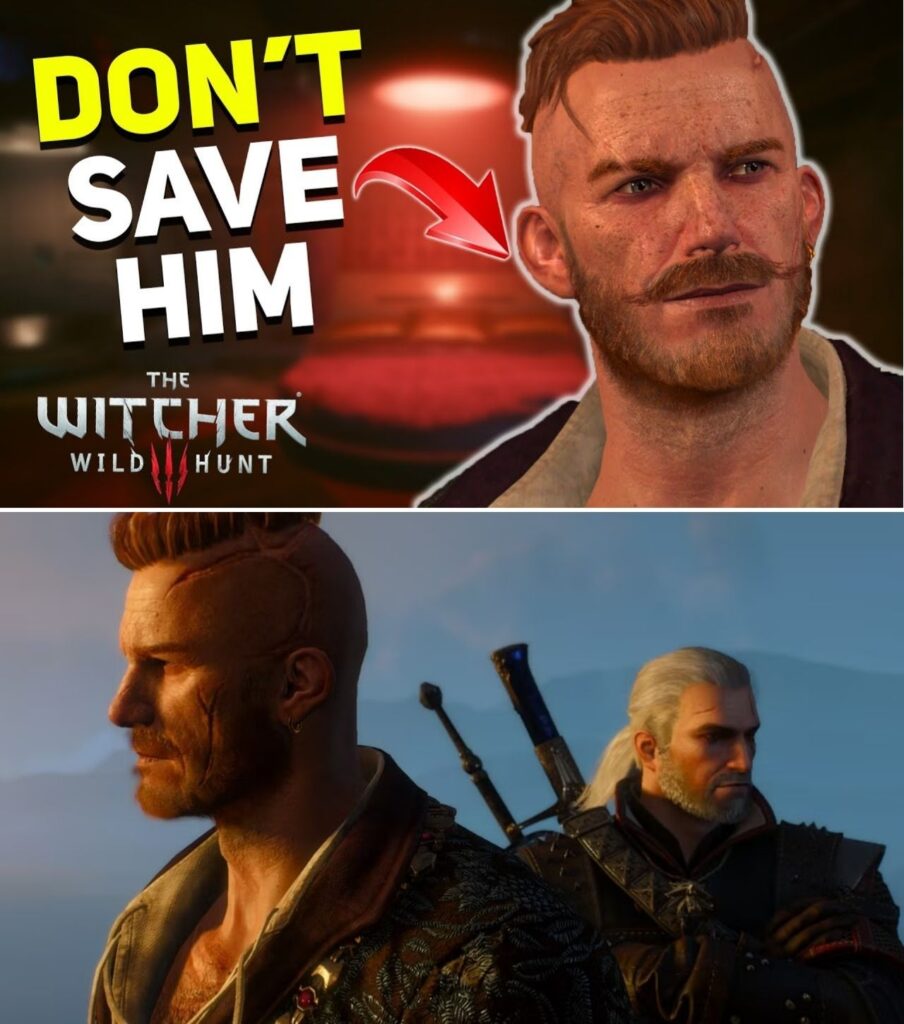



Saving Olgierd von Everec was the biggest mistake of your entire playthrough. 👁️💀
A massive debate has erupted in the community after a deep narrative dive exposed why 90% of players fell into CD Projekt RED’s clever emotional trap in the Hearts of Stone expansion—and why siding with Master Mirror himself, Gaunter O’Dimm, is actually the only logical choice.
Everyone rushes to solve O’Dimm’s riddle to save Olgierd’s soul out of instinct. But when you strip away the tragic romantic backstory, the cold hard facts remain: Olgierd von Everec was a ruthless, cold-blooded bandit who willingly made a pact with the Devil, murdered his own brother Vlodimir in cold blood, sacrificed his innocent wife Iris to a demonic nightmare existence, and left a trail of ruined lives across Redania long before his heart turned to stone.
And the rewards for siding with O’Dimm? They aren’t just powerful—they fundamentally break how you play the game…
Did you get tricked into saving a monster? Check out the full breakdown before your next expansion run 👇🔥
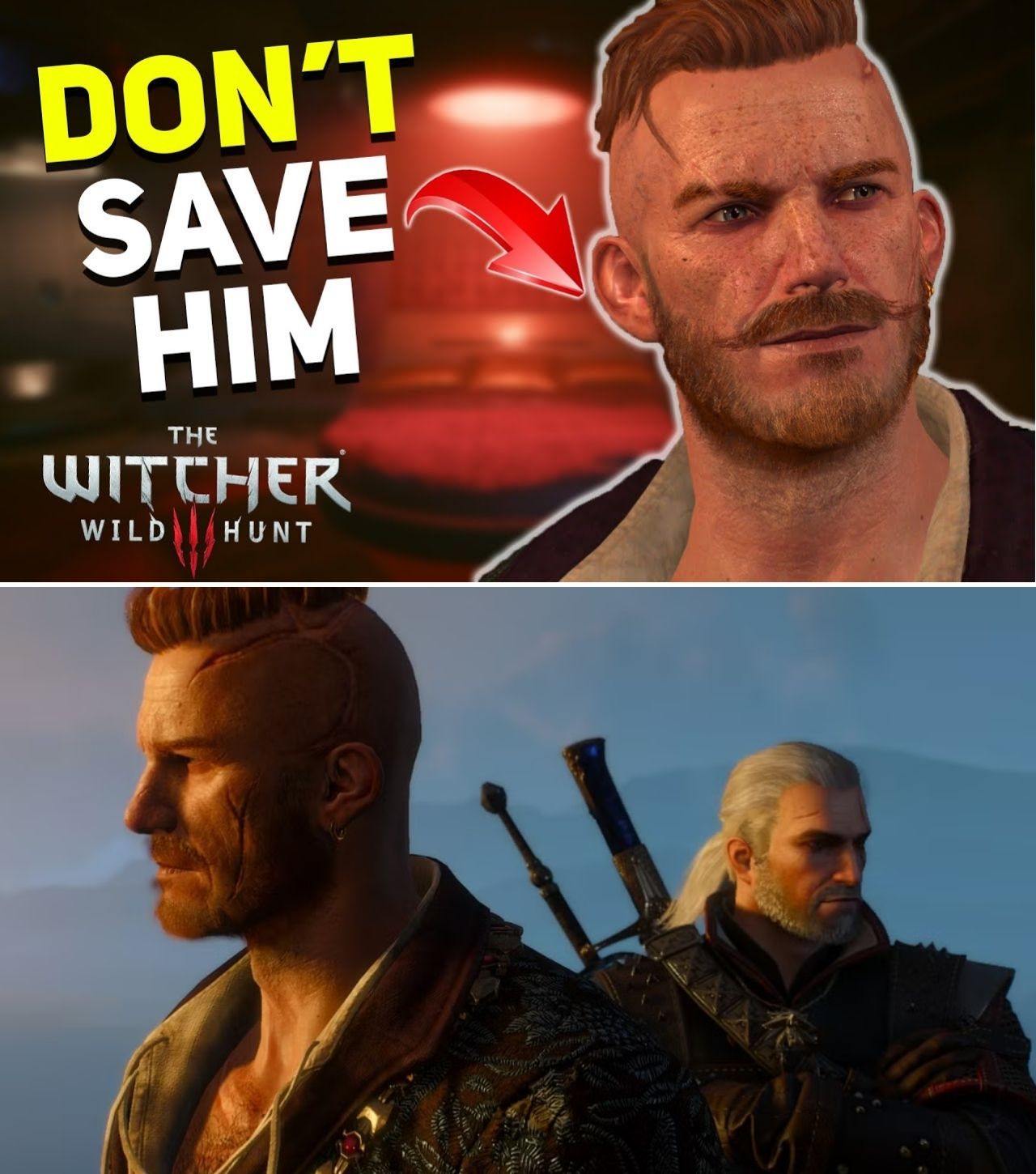
Since the release of The Witcher 3: Wild Hunt’s critically acclaimed Hearts of Stone expansion, players have debated the moral dilemma presented at the climax of the story: should Geralt of Rivia risk his own soul to save the cursed nobleman Olgierd von Everec, or step aside and allow the enigmatic entity Gaunter O’Dimm (Master Mirror) to collect Olgierd’s soul?
While initial community polls suggested that an overwhelming majority of players chose to save Olgierd out of sympathy for his tragic fate, a viral narrative re-examination—popularized by veteran Witcher lore expert xLetalis in a video titled “Witcher 3 – DON’T SAVE OLGIERD! Here’s Why”—has sparked a massive reversal in player consensus.
The core argument challenging popular opinion is simple yet striking: Olgierd von Everec was never an innocent victim of a demon’s curse. Instead, he was a self-serving, ruthless warlord whose tragic downfall was entirely the result of his own monstrous decisions.
Here is a comprehensive forensic analysis of the arguments against saving Olgierd, the hidden mechanics of Gaunter O’Dimm’s rewards, and how the community’s view of Hearts of Stone has evolved.
1. The Crimes of Olgierd von Everec
In the narrative arc of Hearts of Stone, Geralt meets Olgierd as the charismatic, immortal leader of the Wild Boars gang. While Olgierd eventually reveals that his heart was turned to literal stone as a side effect of his pact with Gaunter O’Dimm, historical evidence uncovered during the expansion’s quests paints a damning picture of his character prior to the curse:
-
The Sacrifice of Vlodimir von Everec: To secure his pact with O’Dimm for wealth and immortality, Olgierd was forced to sacrifice someone he loved. He chose his own brother, Vlodimir, who died shortly thereafter under extremely suspicious circumstances.
-
The Torment of Iris von Everec: Olgierd married Iris, a noblewoman, but as his heart hardened, he emotionally abused and abandoned her. He bound demon entities—the Caretaker, the Cat, and the Dog—to guard her in isolation at the Von Everec Estate, leaving her to die alone of a broken heart in a world of endless nightmares (Scenes From a Marriage).
-
Banditry and Murder: Long before meeting O’Dimm, Olgierd and his gang pillaged small villages, executed innocent peasants, and decapitated the father of his own wife when the family attempted to annul the marriage.
As lore analysts point out, Olgierd’s heart turned to stone after he willingly sought out a demonic entity to satisfy his own ego and retain his aristocratic lifestyle.
2. The Fallacy of Moral Superiority
Many players choose to intervene at the Temple of Lilvani out of a belief that stopping Gaunter O’Dimm is the “heroic” path. However, lore experts argue that Geralt of Rivia’s professional code as a Witcher is severely compromised by doing so.
Gaunter O’Dimm fulfilled his end of a legal, binding contract made with Olgierd. By stepping in to save Olgierd, Geralt acts as an ideological vigilante rather than a neutral monster hunter. Furthermore, saving Olgierd does not undo the death of Vlodimir, the horrific fate of Iris, or the countless victims of the Wild Boars. Olgierd is left a broke, immortal-less mortal with a heavily stained conscience, while Geralt gains relatively minor material rewards (such as the steel sword Iris).
3. The Superiority of O’Dimm’s Unique Rewards
From a purely gameplay-driven perspective, letting O’Dimm claim Olgierd’s soul yields some of the most unique and mechanically overpowered items in the entire game, none of which can be obtained through any other questline:
-
Caparison of Lament (Horse Tack): Equips Roach with a demonic saddle that grants 100 Stamina and continuously inflicts a dark confusion spell on nearby enemies during combat, blinding them automatically.
-
Horn of Plenty (Consumable): An infinite food item that provides continuous health regeneration without ever being consumed, completely eliminating the need to buy or craft food items ever again.
-
Bottomless Carafe (Consumable): Provides an infinite supply of Strong Alcohol (Alkahest/Dwarven Spirit), allowing Geralt to automatically replenish all potions, bombs, and oils during meditation forever.
-
5,000 Nilfgaardian Crowns: A massive instant cash payout for players looking to fund expensive Grandmaster Witcher gear crafting in Toussaint.
-
Ciri’s Fate Advice: If the main story has not been completed, O’Dimm provides exact, explicit advice on how to make the correct choices with Ciri to avoid the tragic “bad ending.”
Community Reaction and Moral Consensus
On gaming subreddits and X, the realization that Olgierd may not deserve saving has changed how veteran players approach new playthroughs of the Next-Gen Remastered edition.
“When you play Hearts of Stone for the first time, you get swept up in the tragedy of the painted world and Iris’s rose,” commented one top user on community channels. “But on your second or third playthrough, you look at Olgierd’s actual track record. He murdered his family, destroyed his wife, and hired Geralt knowing full well he was setting him up. Letting O’Dimm take him isn’t evil—it’s justice.”
Others maintain that standing up to Gaunter O’Dimm is the ultimate test of courage for Geralt, regardless of Olgierd’s flaws. “You don’t save Olgierd because he’s a good guy,” argued another player. “You save him because Gaunter O’Dimm is an ancient, world-threatening cosmic horror, and Geralt doesn’t let devils collect souls on his watch.”
Whether players choose to risk everything for a flawed man or step aside and collect a demon’s bounty, Hearts of Stone remains one of the greatest narrative achievements in modern gaming—proving that in the world of The Witcher, true good and evil are rarely black and white.

Leave a Reply