


🚨 “HE COULD HAVE PULLED THE TRIGGER!” — Slow Horses showrunners DROP A BOMBSHELL on why River Cartwright refused to execute Frank Harkness! 😱💥
It was the ultimate face-off. Years of secrets, horrific manipulation, and brutal violence led straight to that agonizing, heart-pounding moment: River Cartwright finally stood face-to-face with his deadbeat, dangerous father, Frank Harkness… WITH A CLEAR SHOT!
Everyone expected blood. Everyone thought River would finally end the terror… BUT HE LOWERED THE GUN.
WHY?! Why spare the man who ruined so many lives? Is River secretly soft? Is he bound by a dark moral code? Or did Frank plant a psychological trap that River just couldn’t break?
Fans have been arguing on Reddit and X for WEEKS, but the show’s lead writer just stepped forward to SET THE RECORD STRAIGHT! The official explanation behind River’s shocking hesitation reveals something deeply tragic about who River Cartwright really is—and proves he’s NOTHING like his father or Jackson Lamb…
The psychological reason behind his choice, what it means for Slough House, and how this quiet decision will come back to haunt him next season will leave you SPEECHLESS! 👇🔥
👉 Unpack the official writer’s reveal & full character deep dive here:
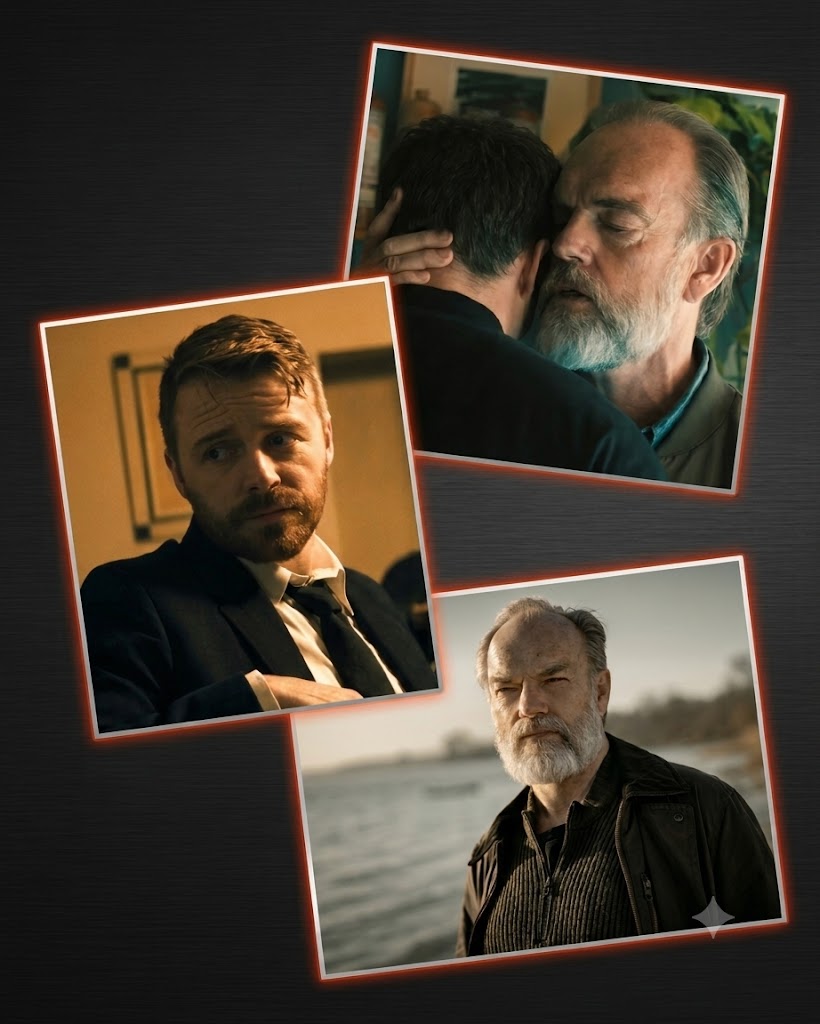
In the high-stakes, ruthless espionage world of Apple TV+’s hit series Slow Horses, cold-blooded murder is practically listed in the MI5 job description. From veteran spymaster Jackson Lamb’s dark past to the lethal assassins of Les Arbres, the show has continuously reminded audiences that survival in the shadows usually requires pulling the trigger without blinking.
Yet, when River Cartwright (Jack Lowden) stood over his biological father, the rogue mercenary kingpin Frank Harkness (Hugo Weaving), holding all the power and every legitimate reason to execute him, he did something far more shocking than pulling the trigger: he lowered his weapon.
The tense confrontation marked one of the most emotionally charged moments in recent television history. For fans who spent the season watching Harkness orchestrate chaos, murder innocent people, and threaten the Cartwright legacy, River’s choice to let Frank live left viewers stunned and divided.
Now, the series’ writing team has officially broken their silence, providing unprecedented insight into the complex psychological landscape behind River’s decision—and why it cements his place as the soul of Slough House.
THE ANATOMY OF A DEADLY REUNION
To fully grasp the psychological gravity of River’s decision, one must look at the toxic web defining the Cartwright lineage. Frank Harkness is not merely a villain; he is the architect of a twisted, cult-like network of child mercenaries, a manipulative sociopath, and the biological father River never knew.
========================================================================
                  THE CARTWRIGHT FAMILY TENSION MAP
========================================================================
  DAVID CARTWRIGHT (Grandfather) ──► Raised River with cold MI5 ideals
            │
            ▼
   FRANK HARKNESS (Father)     ──► Manipulative sociopath / Mercenary
            │
            ▼
  RIVER CARTWRIGHT (Son)       ──► Trapped between duty, trauma & humanity
========================================================================
Throughout their tense encounter, Harkness attempted to use psychological warfare, attempting to convince River that they were two sides of the same coin. Harkness framed execution as a natural progression for a “real” spy.
When River chose not to pull the trigger at point-blank range, many viewers initially interpreted the moment as a sign of weakness or tactical incompetence—classic traits of a “Slow Horse”. However, according to the creative leads, that interpretation completely misses the point.
THE WRITER’S REVEAL: MORALITY VS. MONSTROSITY
In a recent industry interview discussing the character dynamics, the show’s head writer explained that River’s restraint was a deliberate act of character definition rather than cowardice or weakness.
“River is constantly fighting against the shadow of his grandfather and the dark legacy of his father,” the writer noted. “We’ve had lots of hints throughout the series of what happens to people when they cross those moral lines—look at Jackson Lamb. When River looks at Frank at close range, he realizes that pulling that trigger in cold blood doesn’t make him a hero or a proper spy; it turns him into Frank. It was crucial to show that despite all his blunders and desperation to get back to the Park, River is fundamentally not a monster.”
+----------------------------------------------------------------------+
|                     THE SPY CODE COMPARISON                          |
+----------------------------------------------------------------------+
| CHARACTER         | PHILOSOPHY ON KILLING                            |
+-------------------+--------------------------------------------------+
| Frank Harkness    | Pragmatic & Ruthless: Kills to erase liabilities |
| Jackson Lamb      | Coldly Tactical: Kills when necessary for the job|
| River Cartwright  | Moral & Human: Refuses extrajudicial execution   |
+----------------------------------------------------------------------+
The writer emphasized that River’s choice acts as a stark counterweight to Jackson Lamb (Gary Oldman). Where Lamb carries the heavy, dark scars of past assassinations—such as the infamous execution of Charles Partner—River represents a generation of agents who still value their fundamental humanity, even when it complicates the mission.
CROWD REACTION: COMMUNITY DIVIDED OVER RIVER’S MERCY
The writer’s comments immediately set fan forums ablaze. On Reddit’s r/SlowHorses, threads analyzing the scene racked up thousands of upvotes as fans debated whether River made the right call.
The “Pure Hero” Faction
A substantial portion of the community applauded River’s restraint, arguing that executing an unarmed man—even a monster like Harkness—would have destroyed the hero’s journey built over multiple seasons.
“If River kills Frank in cold blood, Frank wins,” wrote one prominent Reddit user in an episode breakdown thread. “Frank’s whole thesis is that the system is corrupt and everyone is as bad as him. By walking away and letting the legal/bureaucratic system handle him, River proves he hasn’t been corrupted by his family’s toxic bloodline.”
The “Pragmatic Realist” Faction
Conversely, on X (formerly Twitter) and YouTube comment sections, many viewers expressed frustration at River’s hesitation, pointing out that leaving a mastermind like Harkness alive virtually guarantees future catastrophe.
┌─────────────────────────────────────────────────────────────────┐
│                   COMMUNITY SENTIMENT POLL                      │
├───────────────────────────────┬─────────────────────────────────┤
│ VERDICT                       | PERCENTAGE OF FAN BASE          │
├───────────────────────────────┼─────────────────────────────────┤
│ River made the right choice   | █ █ █ █ █ █ █ 58%               │
│ River should have killed him  | █ █ █ █ 42%                     │
└───────────────────────────────┴─────────────────────────────────┘
“Harkness is a dangerous international mercenary who knows all of MI5’s dirty secrets,” tweeted one fan. “Leaving him alive isn’t noble; it’s a liability. Jackson Lamb would have taken him off the board in half a second.”
THE SHADOW OF JACKSON LAMB
The contrast between River Cartwright and Jackson Lamb remains the emotional backbone of Slow Horses. Lamb’s gruff, unhygienic exterior hides a deeply lethal operator who understands the ugly sacrifices required in espionage.
THE EVOLUTION OF RIVER'S MORAL COMPASS
┌─────────────────────────────────────────────────────────┐
│ 1. THE DESIRE FOR GLORY (Eager to prove himself at MI5)│
└──────────────────────────┬──────────────────────────────┘
                           │
                           ▼
┌─────────────────────────────────────────────────────────┐
│ 2. THE REALITY OF SLOUGH HOUSE (Facing trauma & legacy) │
└──────────────────────────┬──────────────────────────────┘
                           │
                           ▼
┌─────────────────────────────────────────────────────────┐
│ 3. THE MORAL CHOICE (Refusing to become a killer)        │
└─────────────────────────────────────────────────────────┘
When asked in past press engagements about how Lamb views Frank Harkness, Gary Oldman noted that Lamb would prefer to simply “take him off the board” to prevent further damage. Lamb knows firsthand the soul-crushing toll that cold-blooded killing takes on a handler.
In a subtle way, River’s refusal to shoot his father validates why Lamb—despite his constant verbal abuse—continues to protect River. Lamb recognizes that River still possesses the moral innocence that Lamb lost decades ago in Berlin.
LONG-TERM CONSEQUENCES: WHAT LIES AHEAD?
While River’s decision saved his own soul, it leaves massive narrative threads dangling for future seasons. A live Frank Harkness is a ticking time bomb for the British Intelligence apparatus. With Harkness holding leverage over senior figures like Diana Taverner and possessing knowledge of classified black-ops, his imprisonment—or potential escape—will undoubtedly ripple across Slough House.
For River, the emotional fallout is only beginning. Sparing his father did not grant him immediate peace or a ticket back to Regent’s Park. Instead, it forced him to come to terms with his family’s dark legacy while remaining trapped in the purgatory of Slough House.
As production continues on upcoming chapters, one thing is certain: River Cartwright may still be a “Slow Horse” in the eyes of MI5 bureaucracy, but by refusing to execute his father, he proved he is the one thing espionage rarely allows an agent to remain—a human being.

Leave a Reply