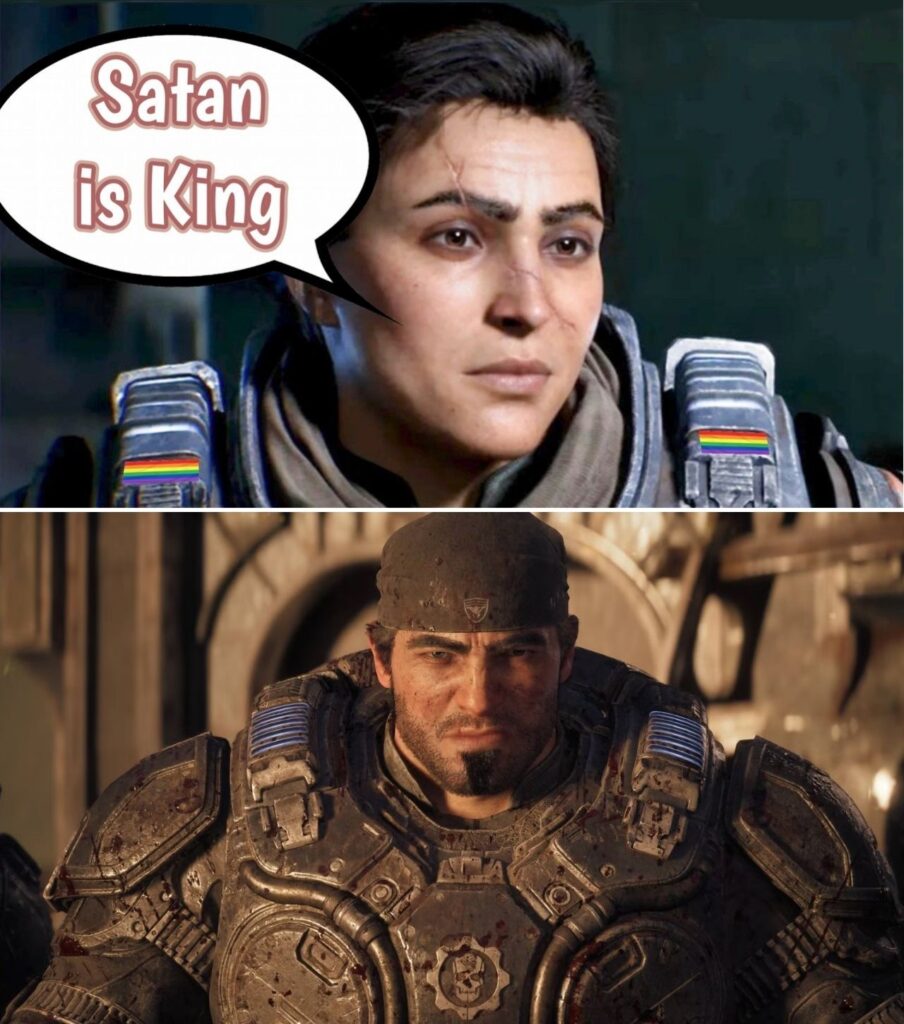



🚨 The hypocrisy in modern gaming has officially reached a boiling point—and fans are dragging the industry through the mud!
Gears of War was supposed to make a triumphant, explosive return on Steam, but instead, it delivered an absolute disaster of a launch. But the real drama isn’t just the technical mess—it’s the staggering hypocrisy behind corporate messaging, forced messaging priorities, and the corporate rot that keeps sinking legendary franchises! 📉
While longtime fans are watching beloved titles get dragged down by out-of-touch priorities and bloated management, studios are scrambling to sweep their failures under the rug. Why are multi-million dollar PC ports completely bombing while executives continue to double down on everything except what players actually want?
The unfiltered truth behind the Steam launch disaster, the massive community backlash, and why gamers are finally fighting back will leave you furious. 👇
🔥 [Click here to uncover the full story and see why players are declaring the franchise a total disaster!]
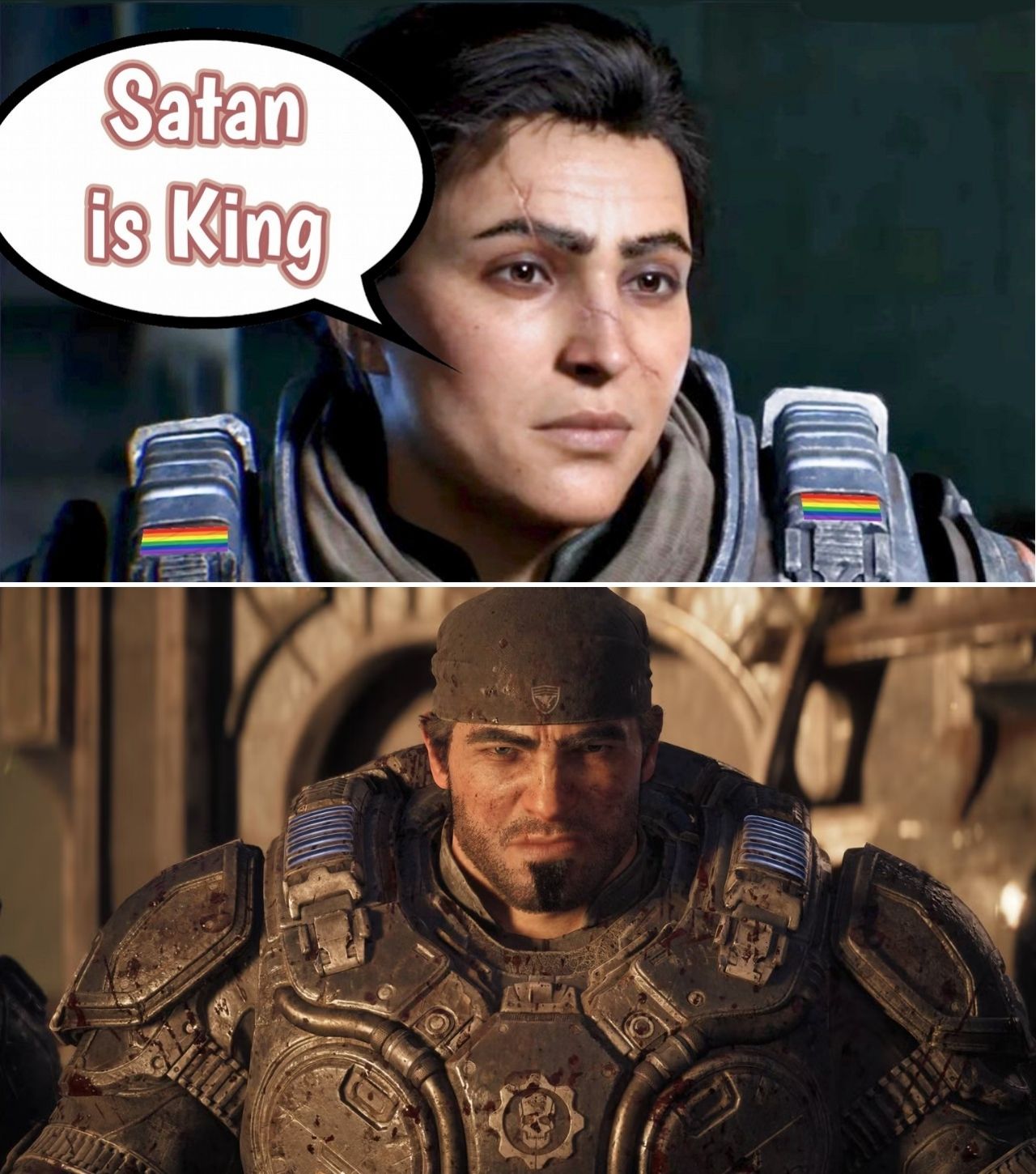
The video game industry continues its relentless cycle of high-profile missteps, self-inflicted PR disasters, and bitter ideological clashes. Just as publishers scramble to navigate massive economic corrections—shifting from bloated corporate mandates toward automated efficiencies—classic franchises are bearing the brunt of past administrative blunders.
The latest casualty in the ongoing culture war of modern gaming is the highly anticipated Steam debut of the legendary Gears of War franchise. What was projected to be a triumphant return for Microsoft’s iconic shooter series on Valve’s platform turned into a resounding commercial and critical dud. Compounding the technical and sales disappointment is a fresh wave of community outrage targeting what fans and commentators describe as staggering corporate hypocrisy regarding creative priorities, inclusion mandates, and the deep disconnect between studio executives and core gamers.
The Anatomy of a Flop: A Disastrous Steam Debut
For years, PC gamers have clamored for seamless, optimized access to Xbox flagships on Steam. Yet, when Gears of War rolled out its latest major PC offering, the reception was ice-cold. Plagued by poor optimization, lackluster community engagement, and mounting fatigue over recurring industry trends, player counts plummeted, and user reviews quickly turned hostile.
Industry commentators and pop-culture analysts, including recent deep-dives from digital media networks like Clownfish TV, have dissected the failure not merely as a technical hiccup, but as a symptom of systemic rot. “This isn’t just about a bad port; it’s about a fundamental disconnect,” industry observers noted. When publishers spend years steering multi-million-dollar IPs through shifting corporate priorities, prioritizing checkbox metrics and ideological compliance over raw gameplay quality, the market inevitably delivers a harsh verdict.
The contrast between the passionate fanbase and corporate leadership has never been starker. While long-term supporters of the franchise expected a polished, adrenaline-fueled masterpiece worthy of the Gears legacy, they instead received a product emblematic of modern AAA complacency: over-budgeted, under-delivered, and entirely out of touch with what made the original trilogy iconic.
The Hypocrisy of Corporate Mandates vs. Player Reality
At the core of the community’s fury is a pervasive sense of hypocrisy. For nearly a decade, major western studios enforced strict ideological frameworks, heavy-handed narrative overhauls, and corporate inclusivity initiatives that many players felt actively alienated core audiences. Executives lectured consumers about modern sensibilities while ballooning development costs to astronomical heights.
However, as financial pressures mount across the gaming sector—marked by studio closures, massive layoffs, and structural overhauls—the narrative pushed by corporate entities is undergoing a frantic pivot. The very same administrative structures that championed ideological compliance are now scrambling to cut costs, embrace artificial intelligence, and restructure leadership, leaving discarded developers and disgruntled fans to pick up the pieces.
Critics point out the sheer hypocrisy of leadership figures who spent years alienating veteran talent and diluting classic franchises under the guise of “modernizing” entertainment, only to abandon those exact projects the moment profitability dipped. “You spent years telling your core audience that they were the problem if they didn’t like what you were doing,” digital commentators highlighted. “Now that the financial chickens have come home to roost, suddenly the corporate tune is changing—but the damage to legendary franchises is already done.”
Community Backlash Across Reddit, X, and Discord
The fallout from the botched Steam launch has ignited fierce debates across Reddit, X (formerly Twitter), Discord, and dedicated gaming forums. Communities that once buzzed with excitement over franchise lore and multiplayer hype have transformed into echo chambers of cynicism and frustration.
Key themes dominating community discussions include:
-
Disregard for Core Lore: Fans argue that modern iterations and narrative directions have strayed too far from the gritty, high-stakes atmosphere established by Epic Games in the Xbox 360 era.
-
The “Out-of-Touch” Executive Class: Growing resentment toward corporate decision-makers who view gaming franchises merely as disposable commodities rather than artistic works.
-
Double Standards in Accountability: Frustration that creative leads responsible for mismanaged budgets and declining player trust face zero professional consequences, while hardworking developers bear the brunt of studio restructuring.
Platforms like TikTok and YouTube are flooded with video essays dissecting the decline of once-untouchable Western AAA developers, drawing direct parallels between the Gears collapse and similar misfires across the industry. The consensus among content creators and fans is clear: consumers are no longer willing to pay full price for bloated, mismanaged corporate products that treat them with disdain.
The Broader AAA Reckoning
The failure of the Gears of War Steam launch serves as a warning sign for the entire entertainment sector. As independent developers and smaller studios prove that tight, focused, and passionate projects can capture the market with a fraction of the budget, traditional AAA publishers can no longer rely on brand name recognition alone to mask operational dysfunction.
The era of corporate hypocrisy—where studios lecture players while delivering subpar, ideologically driven products—is crashing against the hard wall of economic reality. Whether major publishers will genuinely course-correct or simply cycle through new corporate buzzwords remains to be seen. What is certain, however, is that gamers are voting with their wallets, and the traditional playbook of corporate deflection is officially broken.

Leave a Reply