


🚨 The ideological insanity in modern gaming has officially crossed the line into a full-blown gender cult—and players are fighting back!
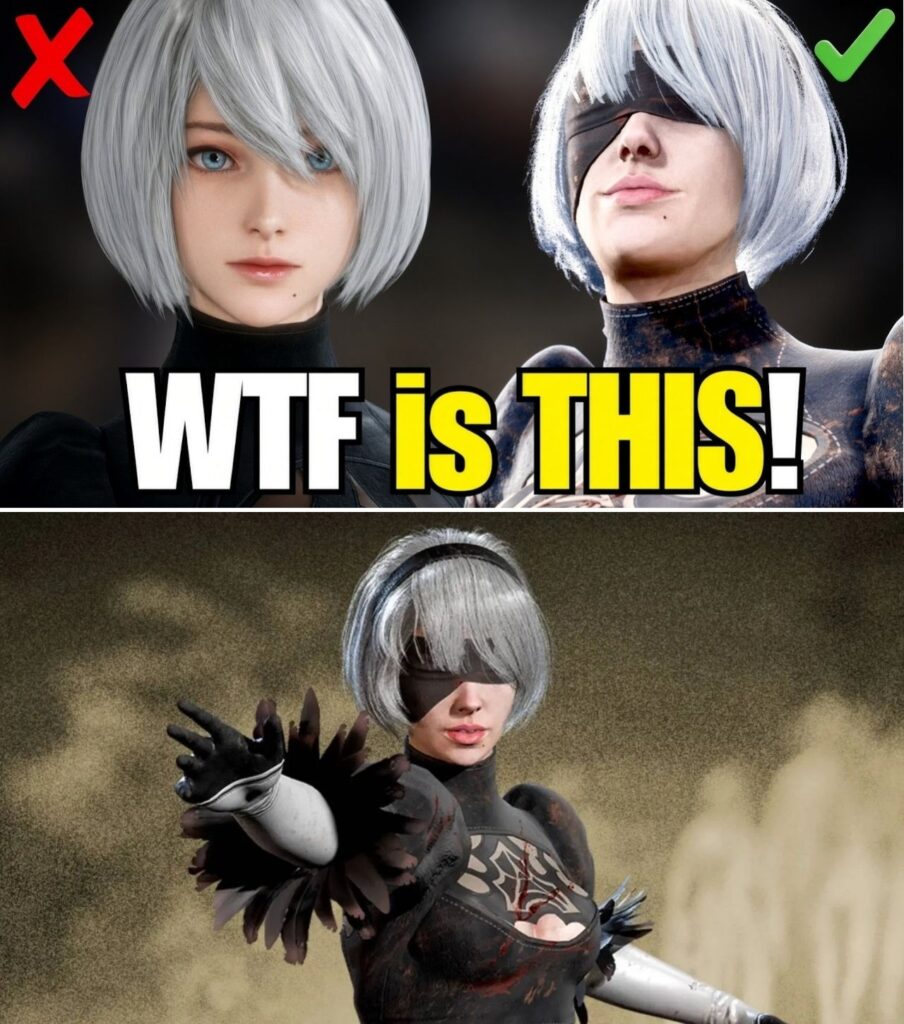
When Dead by Daylight dropped its highly anticipated NieR: Automata crossover skin for 2B, fans were horrified to discover that the iconic character had been aggressively flattened, de-feminized, and redesigned into what many mocked as “a man in a dress.” 🤬
The backlash was so fierce, immediate, and unrelenting that the developers were forced into a humiliating public backtrack, promising emergency adjustments! How did basic aesthetic appreciation get branded as a sin by radical industry activists? And why are gamers finally drawing a hard line in the sand against ideological meddling?
The unfiltered truth about the Dead by Daylight 2B scandal, the corporate cowardice, and the war for the soul of gaming will leave you speechless. 👇
🔥 [Click here to uncover the full drama and see how gamers forced the developers to surrender!]
The culture war consuming the interactive entertainment industry has reached a surreal new milestone. For years, gamers have watched classic characters, beloved designs, and iconic aesthetic archetypes systematically altered under the guise of “modern sensibilities” and ideological compliance. However, the boiling point has finally arrived.
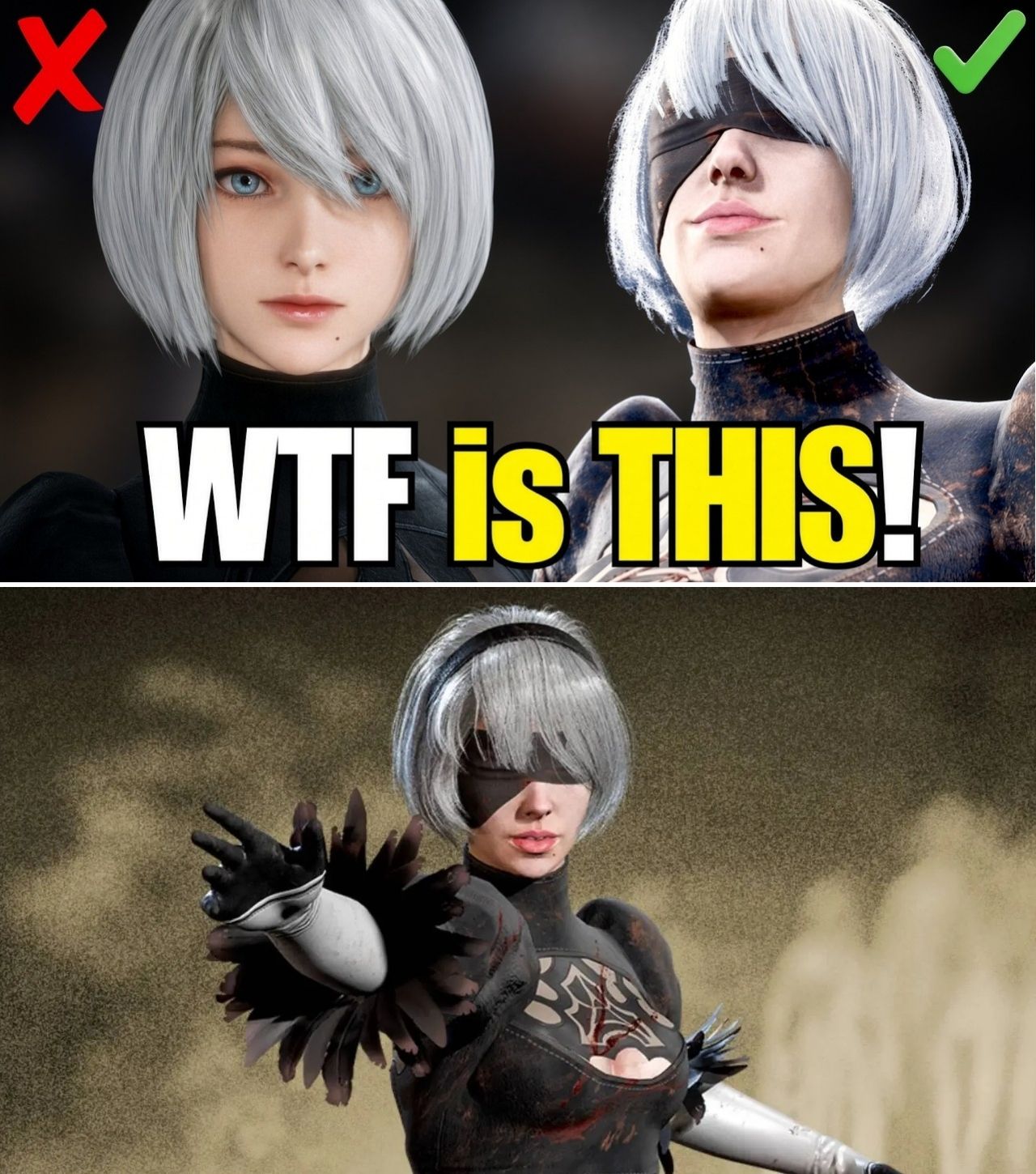
The latest battleground centers on Behaviour Interactive’s asymmetrical horror multiplayer hit, Dead by Daylight, and its disastrous crossover implementation of 2B from Square Enix’s acclaimed NieR: Automata. What should have been an easy, universally celebrated cosmetic collaboration exploded into a massive community revolt—dubbed by commentators as a prime example of modern gaming’s ideological overreach—forcing the developers into a humiliating, emergency retreat after fans blasted the skin as a distorted caricature.
The Anatomy of a Crossover Disaster: How to Ruin 2B
When Dead by Daylight announced a crossover featuring one of gaming’s most celebrated and recognizable aesthetic icons, expectations among the player base were high. In NieR: Automata, 2B’s design is a deliberate masterclass in stylistic elegance, balancing gothic attire with iconic proportions that have made the character a global pop-culture fixture and a cosplay staple.
However, when the in-game model finally debuted in Dead by Daylight, the reaction on Reddit, X (formerly Twitter), and Discord was one of utter disbelief. Instead of a faithful adaptation, players were greeted with a heavily altered, flattened, and visibly subdued model that social media users ruthlessly compared to “a man in a dress.”
Pop-culture analysts and digital commentators, including recent deep-dives from media networks like Clownfish TV, highlighted the absurdity of the redesign. The deliberate neutering of the character’s classic silhouette was not viewed as an accidental technical limitation, but as a deliberate ideological choice driven by design rooms obsessed with erasing traditional feminine appeal in favor of homogenized, desexualized compliance.
The “Gender Cult” Mentality in Modern Development Studios
The backlash against the 2B skin tapped into a much deeper, pervasive frustration among gamers worldwide: the feeling that Western-influenced development spaces have become captured by insular ideological echo chambers—frequently described by critics as a “gender cult.”
In these environments, adhering to strict aesthetic doctrines takes precedence over player satisfaction, source material fidelity, and basic commercial common sense. Characters are systematically modified to eliminate traditional visual markers of beauty or glamour, while corporate PR teams attempt to shame critics who point out the obvious downgrades.
Key themes driving the community outrage include:
-
The War on Aesthetic Appeal: A persistent industry trend where iconic female characters are stripped of their defining features to appease a vocal minority of outside activists who rarely play the games.
-
Double Standards in Crossovers: Fans questioned why iconic, stylistically unique characters are licensed only to have their identities sanded down into generic, corporate-approved shapes.
-
The Rejection of Shaming Tactics: For years, dissenting fans were dismissed with buzzwords and insults. With the Dead by Daylight controversy, the pushback was so unified and aggressive that the old shaming tactics completely failed.
The Surrender: Behaviour Interactive’s Emergency Backlash Management
Unlike previous controversies where developers doubled down behind closed doors, the sheer velocity of the Dead by Daylight 2B backlash broke the corporate playbook. The community reaction was swift, merciless, and economically threatening, utilizing social media pressure and direct feedback loops to keep the boot firmly on the studio’s neck.
Recognizing the PR disaster unfolding in real-time, Behaviour Interactive took the rare step of publicly addressing the uproar. The developers folded under pressure, announcing that they would actively amend the character model so that 2B actually resembles her source material in-game.
While the capitulation was celebrated by the player base as a major victory, it raised a critical question: Why do development studios continually create these self-inflicted wounds in the first place? If developers had simply respected the original character design from the start, millions of dollars in negative PR and community hostility could have been entirely avoided.
A Turning Point for Player Power
The Dead by Daylight 2B controversy serves as a microcosm of the broader shifts rocking the video game landscape in late 2026. From failing $400 million Western blockbusters to cosmetic design revolts, consumers are proving that they are no longer willing to quietly accept ideological tampering with their favorite entertainment properties.
When players vote with their voices, their memes, and their wallets, even entrenched multi-player studios are forced to bend the knee. As the “gender cult” narrative continues to face fierce resistance from the vocal majority of gamers, the message to the industry is unequivocal: respect the audience, honor the source material, and leave character design to artistic integrity rather than ideological gatekeeping.

Leave a Reply