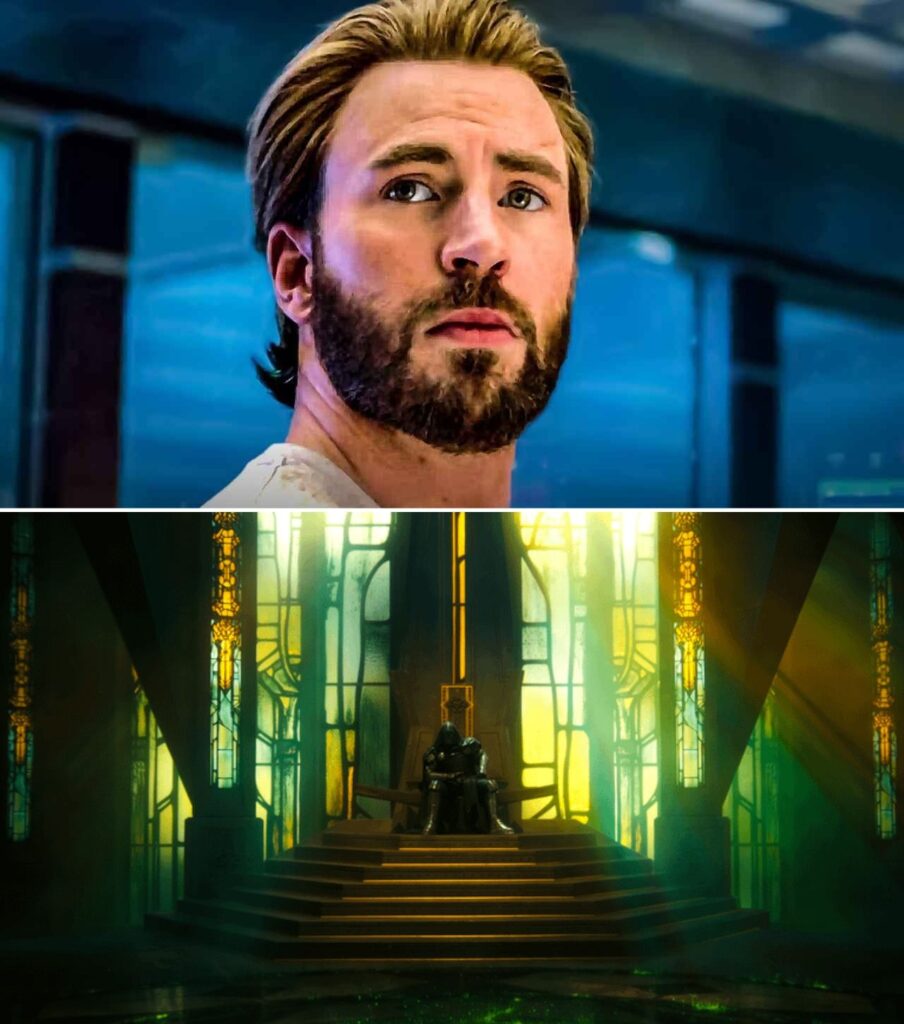



MARVEL STUDIOS JUST OFFICIALLY BROKE MCU HISTORY WITH A MASSIVE TIME JUMP! 🚨💣🤯
Forget everything you thought you knew about the MCU timeline—Avengers: Doomsday is officially smashing records by leaping further forward than any team-up film in Marvel history! ⏳⚡🔥
While Avengers: Endgame famously shocked fans back in 2019 with its game-changing 5-year time skip, Doomsday has officially shattered that benchmark with an even bigger, unprecedented narrative leap!
As Doctor Doom arrives to throw the multiverse into absolute chaos, the cinematic universe has aged forward dramatically, leaving our favorite heroes in a completely altered, high-stakes future landscape. What happened during those missing years? Where are the surviving Avengers when the world starts tearing apart at the seams? And how does this massive chronological jump set the stage for the final collapse in Secret Wars? 🤔🎬
The fandom is losing its mind trying to piece together the timeline clues!
Get the full breakdown on the historic time jump and what it means for the MCU right now 👇🔥
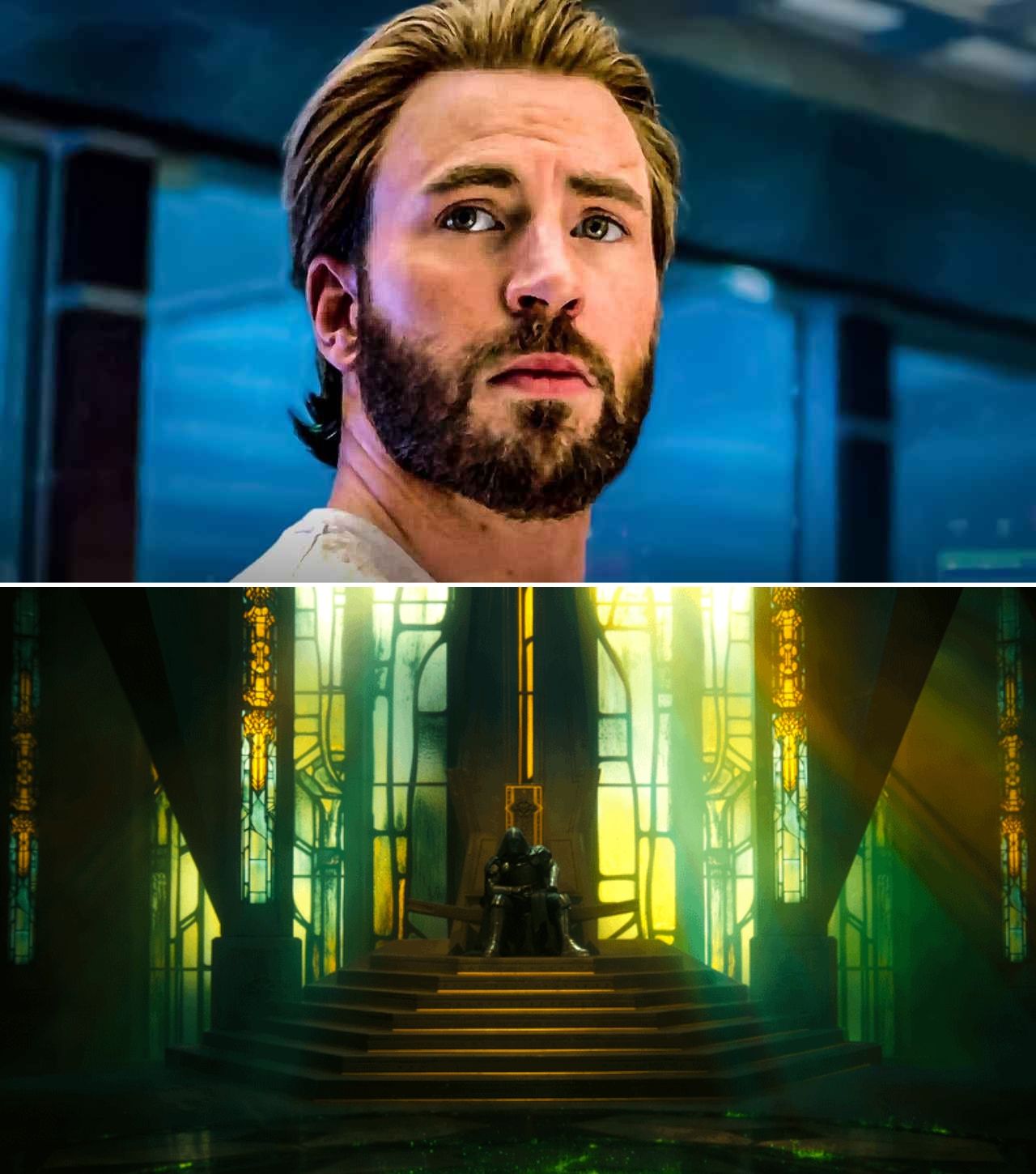
Throughout its nearly two-decade reign as the undisputed titan of modern blockbuster cinema, Marvel Studios has relied on structural boldness to keep audiences on the edge of their seats. From multi-film narrative arcs to universe-altering snap events, Kevin Feige and his creative team have continuously reshaped the rules of serialized storytelling.
Now, as the studio gears up for the theatrical release of Avengers: Doomsday, Marvel has officially cemented a new milestone in franchise history. According to recent production and timeline confirmations, Avengers: Doomsday features a massive, record-breaking time jump that eclipses even the legendary five-year gap seen in 2019’s Avengers: Endgame.
This unprecedented chronological leap not only redefines the state of the Marvel Cinematic Universe as it heads into Phase 6’s ultimate climax, but it also establishes a grim, altered reality where Earth’s Mightiest Heroes must face their greatest threat yet: Victor von Doom.
Breaking the Record: From 5 Years to a Historic Leap
To understand the magnitude of the timeline shift in Avengers: Doomsday, one must look back at how Marvel Studios has traditionally managed time between its marquee team-up events:
-
The Avengers (2012) to Avengers: Age of Ultron (2015): Maintained a standard three-year real-time gap matching the narrative progression within the universe.
-
Avengers: Infinity War (2018) to Avengers: Endgame (2019): Picked up almost immediately after the catastrophic events of the Snap, before executing cinema’s most famous narrative curveball—a staggering five-year jump forward to the year 2023.
-
Avengers: Doomsday: Shatters previous benchmarks by introducing a monumental six-year chronological leap, placing the film firmly into a drastically evolved future landscape.
In standard franchise filmmaking, large time jumps are frequently utilized to reset character dynamics, introduce natural consequences of previous disasters, or allow a weary world to rebuild. However, applying a six-year leap directly into an ensemble crossover event of this scale signals that the MCU has undergone seismic transformations off-screen—transformations that viewers will have to piece together as the narrative unfolds.
Why the Time Jump Was Necessary: Narrative Consequences of the Multiverse Saga
Industry insiders and film analysts point out that a major time jump was practically required given the chaotic trajectory of the Multiverse Saga.
Unlike the Infinity Saga—which maintained a relatively tight, linear timeline leading directly into the fallout of Thanos’s actions—the Multiverse Saga has been structurally fragmented. Across Phases 4 and 5, storytelling duties were spread across alternate realities, multiversal incursions, cosmic incursions, and sprawling Disney+ television events.
By inserting a historic time jump into Avengers: Doomsday, Marvel Studios accomplishes several critical narrative goals:
-
The Cost of Multiversal Wars: A six-year gap provides a canvas to showcase the compounding exhaustion of a world perpetually battered by incursions, reality-tearing anomalies, and cosmic instability.
-
Generational Shift: The passage of time allows newer heroes introduced in Phase 4 and 5 to fully step into veteran roles, bridging the gap between legacy characters and the incoming mutant roster.
-
The Rise of Doctor Doom: Setting the film in this advanced timeline establishes that Robert Downey Jr.’s Victor von Doom has spent years consolidating power, operating in the shadows, or perhaps reshaping entire realities unchecked while the multiverse fractured.
“A time jump of this magnitude changes everything,” noted a prominent entertainment journalist and box-office analyst. “In Endgame, the five-year gap was about grief and survival in a half-empty world. In Doomsday, a six-year leap into a fractured timeline suggests that the universe didn’t just mourn—it evolved into something unrecognizable before Doom made his ultimate play.”
Fan Theories and Community Reactions: What Happened in the Gap?
As expected, the confirmation of the historic time jump has set online communities ablaze. Subreddits like r/MarvelStudios, r/BoxOffice, and various social media platforms are flooded with fan theories attempting to map out the missing years.
On Reddit, trending discussion threads have dissected how characters like Sam Wilson’s Captain America, Doctor Strange, Spider-Man, and the newly arriving Fantastic Four fit into this advanced setting.
“A six-year jump is massive,” wrote one top-voted Reddit user. “Think about how much the world changed between 2018 and 2023 in Endgame. Now imagine six years of multiversal bleeding, incursions, and institutional collapse. If Doom steps onto the scene in this era, he isn’t just arriving as a conqueror—he might be stepping into a vacuum where global governments and traditional superhero networks have completely failed.”
On TikTok and X, video creators have pointed out visual cues from promotional material and teasers, analyzing background architecture, tech advancements, and character costumes to deduce the exact socio-political state of Earth-616 and neighboring realities. Some speculation even suggests that parts of the film may navigate multiple temporal points or alternate reality fragments as the fabric of time collapses ahead of Avengers: Secret Wars.
The Road to ‘Secret Wars’: Setting the Ultimate Stakes
With Avengers: Doomsday scheduled to hit theaters on December 18, 2026, and its massive companion piece, Avengers: Secret Wars, looming on the horizon, the stakes could not be higher.
By pushing the timeline forward by six years, Marvel Studios has ensured that Doomsday will not feel like a routine comic book sequel. Instead, it operates as an intense, high-stakes survival narrative where Earth’s Mightiest Heroes are forced to defend a deeply scarred, fragile reality against a omnipotent adversary.
As fans count down the final days until release, one thing is abundantly clear: Marvel is swinging for the fences. By rewriting its own timeline rules and making history with its boldest time jump yet, Avengers: Doomsday is poised to redefine the cinematic landscape for the next decade.

Leave a Reply