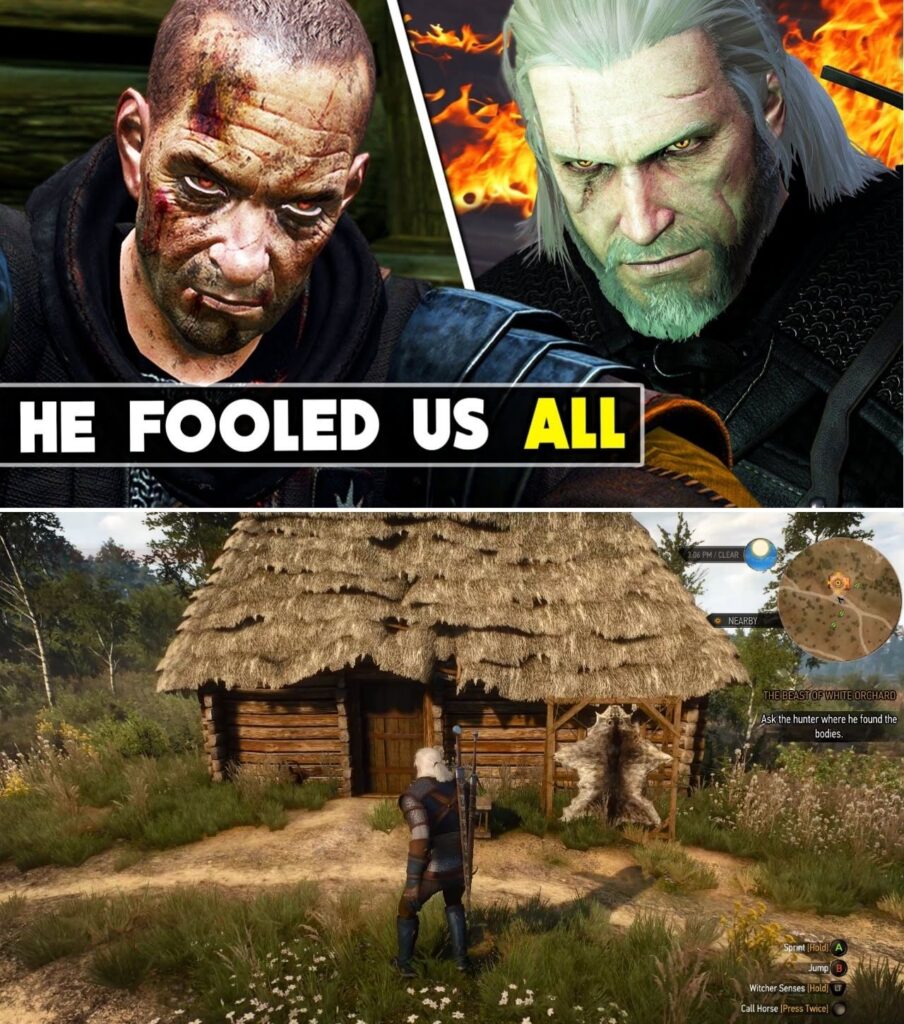



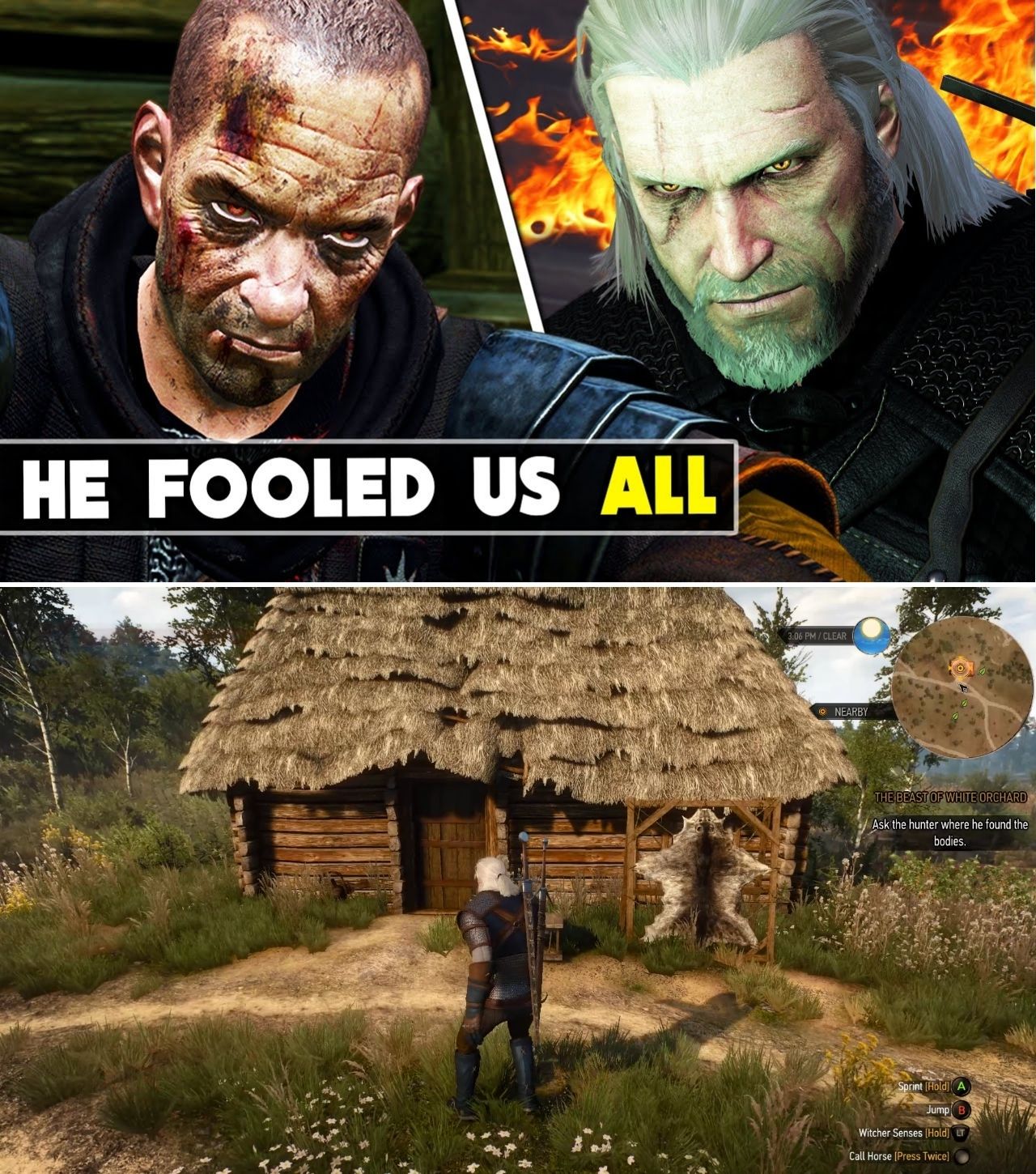
🚨 THE DARKEST SECRET IN WHITE ORCHARD THAT 99% OF PLAYERS COMPLETELY MISSED! 🚨
Think you know everything about White Orchard? Think again! 🤬💥
While most players rush through the tutorial zone hunting for the Royal Griffin and moving on to Velen, a deeply disturbing, masterfully hidden secret lies buried right in the starting village of The Witcher 3: Wild Hunt. Beneath the picturesque orchards and war-torn taverns lies a web of tragedy, betrayal, and dark moral ambiguity that rivals the heaviest choices in Toussaint or Skellige! 💀
Why did CD Projekt Red hide this gut-wrenching narrative twist in plain sight? What really happened to the doomed characters you interact with before ever stepping foot in Vizima? The lore community is losing its mind over the hidden quest details that completely recontextualize Geralt’s first hours on the Path! 📉🔥
Did you catch this chilling secret on your first playthrough, or did you speed right past it? Click below right now to uncover White Orchard’s darkest hidden truth before CDPR’s prologue catches you off guard! 👇🔥
For millions of players, White Orchard serves as the idyllic, if war-scarred, introduction to CD Projekt Red’s masterwork, The Witcher 3: Wild Hunt. Designed as a tutorial zone to ease players into the mechanics of swordplay, sign casting, potion brewing, and monster tracking, the region is frequently viewed as a launching pad before the true emotional weight of the game hits in Velen and Novigrad. Yet, beneath the rustic charm of blooming orchards and the shadow of the local tavern, White Orchard conceals a deeply disturbing, multi-layered secret that nearly 99% of players breeze right past.
Through deep-dive lore retrospectives and community investigations—such as detailed breakdowns by content creator Neon Knight—veteran players are continually reminded that even in the game’s earliest hours, CD Projekt Red embedded moral gray areas and hidden storytelling that subvert traditional fantasy tropes.
The Illusion of a Simple Tutorial Zone
When Geralt of Rivia arrives in White Orchard alongside Vesemir in pursuit of Yennefer of Vengerberg, the region is immediately established as a microcosm of the Third Nilfgaardian War. Redanian soldiers occupy the local garrison with cruel arrogance, peasants cower in fear of both foreign invaders and local beasts, and the scars of a shifting front line are visible across every destroyed homestead.
Standard quests in the zone—such as tracking down the Royal Griffin for Captain Peter Saar Gwynleve in exchange for information on Yennefer, or helping the herbalist Tomira cure the young peasant girl Lena of Griffin poison—appear straightforward on the surface. However, a closer examination of unmarked world interactions, environmental storytelling, and ignored dialogue trees reveals a far more sinister narrative architecture.
The Tragic Anatomy of Unmarked Lore
The dark underbelly of White Orchard does not present itself with a glowing quest marker or a dramatic cutscene. Instead, it is pieced together through scattered notes, abandoned campsites, and seemingly mundane side encounters that intersect in heartbreaking ways:
-
The Fate of the Deserters: Throughout the ruined village and surrounding woods, players frequently encounter Nilfgaardian and Redanian deserters hiding in abandoned huts. While treating them as standard XP fodder is easy, reading the letters found on their corpses unveils tales of forced conscription, starving families, and horrific war crimes committed under orders from commanders who long ago abandoned their humanity.
-
The Herbalist’s Dilemma: When dealing with Tomira and the afflicted girl Lena, players are given a choice regarding whether to use a trial potion. While the immediate outcome feels like a small medical victory, background lore surrounding local folk practices and the brutal realities of wartime Velen/White Orchard hint at a community utterly abandoned by both magic and state authority.
-
The Silent Victims of the Battlefield: The outskirts of the local cemetery and the old battlefields are littered with mass graves. Unlike traditional RPGs where corpses are mere environmental dressing, White Orchard’s environmental design highlights the immediate decay of a society where civilians are crushed between the boots of two warring empires.
Why White Orchard’s Secret Matters for the Greater Narrative
The brilliance of White Orchard’s hidden depth lies in how it establishes the thematic tone for the entire 150-hour journey. CD Projekt Red deliberately avoids clear-cut heroes and villains in the starting area. The Redanian garrison isn’t a force of noble defenders; they are oppressive occupiers extorting the local populace. The Nilfgaardians aren’t mindless monsters; they are disciplined conquerors enforcing martial law in a shattered land.
When players uncover the hidden tragedies embedded in White Orchard’s side encounters, it shatters the illusion that the game’s moral choices will ever be simple. Saving a life in the prologue often leads to unforeseen consequences down the road, and trusting the wrong peasant can have lethal ramifications.
Conclusion: A Masterclass in Environmental Storytelling
Years after its initial launch—and continuing through the Next-Gen Remastered updates—The Witcher 3: Wild Hunt continues to reward thorough exploration. White Orchard is often remembered as the place where players learned how to dodge, parry, and brew Swallow. But for those who take the time to read every recovered letter, explore every unmarked cellar, and question every survivor, White Orchard remains one of the most hauntingly atmospheric and tragically written prologues in video game history.

Leave a Reply