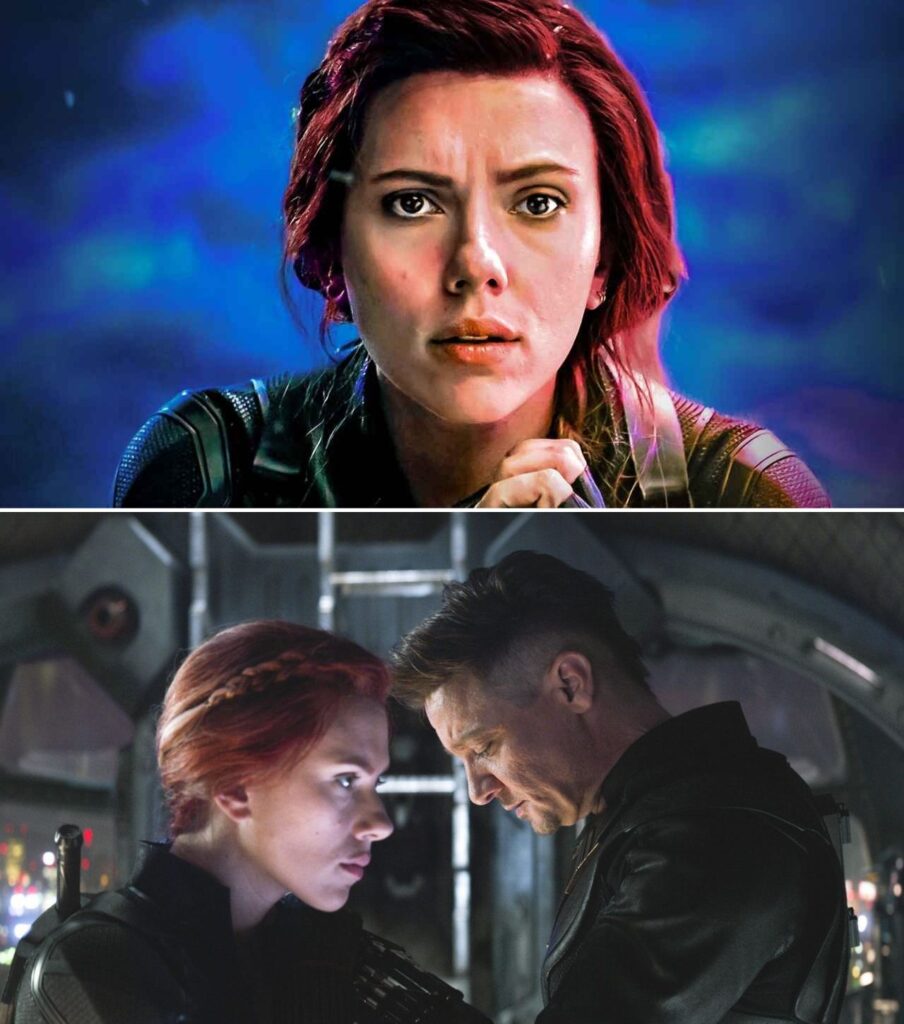



Scarlett Johansson JUST ADMITTED Avengers: Endgame SHOULD NOT HAVE WORKED! 💣😳
“It’s like a movie that shouldn’t work… but it somehow works.”
Wait, what?! The second highest-grossing film in cinematic history—a massive decade-spanning culmination of 22 connected Marvel movies—was actually considered a total high-wire risk by its biggest lead stars?! 🚨💥
Scarlett Johansson finally broke her silence in a candid reflection on Endgame, dropping a bombshell admission that has sent shockwaves through the Marvel fandom. Behind the slick visual effects and multi-billion dollar box office haul lay a terrifying reality: trying to wrap up ten years of interconnected storylines, emotional arcs, and dozens of superhero ensemble casts was an impossible narrative nightmare that came dangerously close to complete collapse.
Why does Black Widow herself believe Endgame was inherently flawed on paper? How did Marvel Studios manage to pull off what many internal insiders thought was an unadaptable mess? And what does this raw confession reveal about the current struggles facing Marvel’s chaotic Multiverse Saga? 🤔🎬
The internet is locked in a fierce debate right now—was Endgame a miracle of modern cinematic planning, or just sheer luck that Marvel can never replicate again?
The full story behind her candid confession and what it really means for Marvel’s future will blow your mind 👇🔥
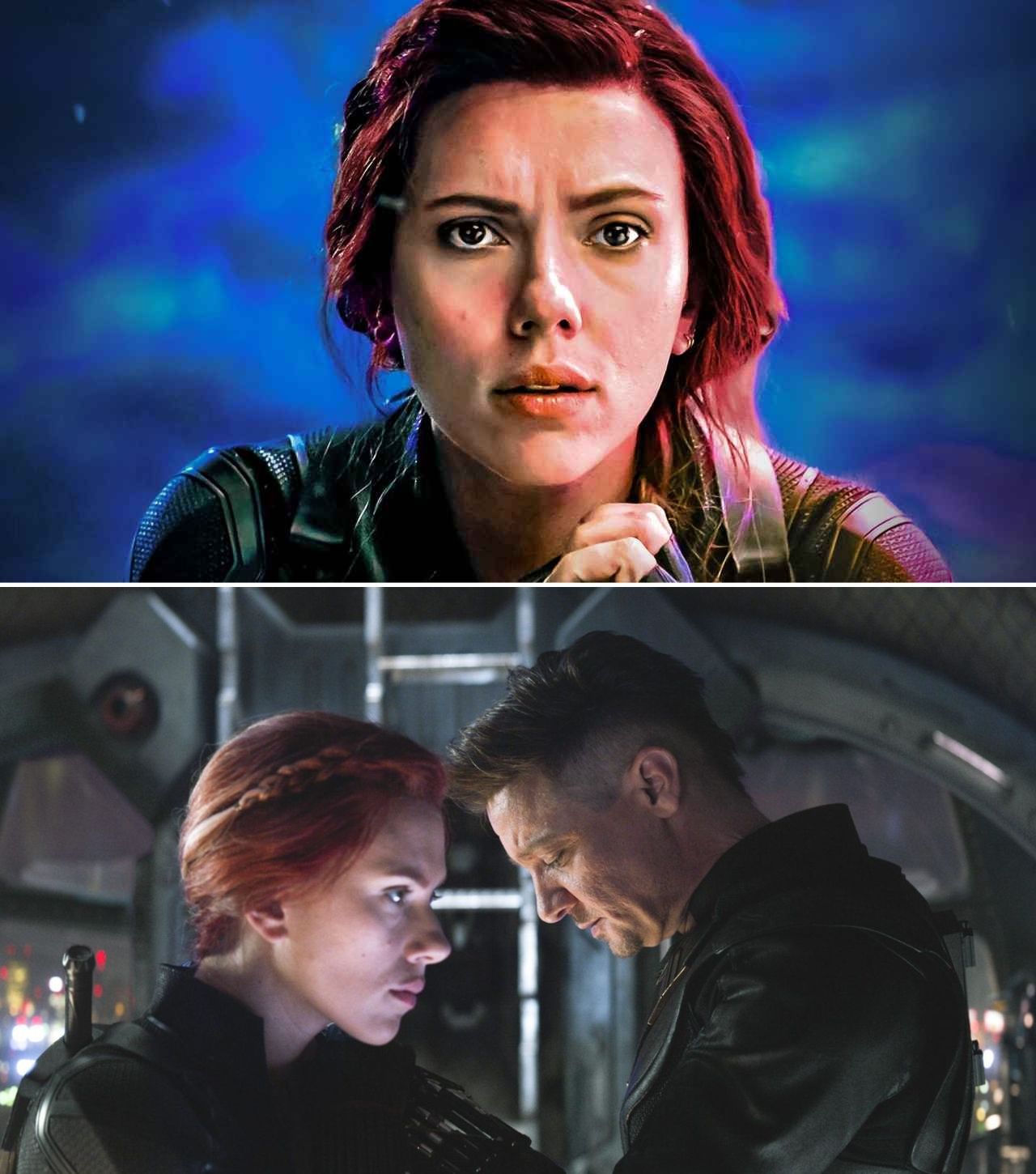
Seven years after Avengers: Endgame shattered global box office records and redefined the boundaries of modern cinematic universes, MCU star Scarlett Johansson has dropped a candid retrospective that is reigniting intense debate across Hollywood and the comic book fandom.
Speaking in a recent interview while reflecting on her eleven-year portrayal of Natasha Romanoff, better known as Black Widow, Johansson offered a surprisingly raw assessment of the 2019 blockbuster. Despite describing the film as “great” and admitting she “loved making it,” the Academy Award-nominated actress confessed that Avengers: Endgame was fundamentally a cinematic gamble that, by all traditional rules of filmmaking, should have failed.
“It took all the history that we’ve had with those characters that we’ve had for a decade of time and really, you know, I think delivered in a way for fans that was very profound,” Johansson stated during her discussion with Metro. “And also it looks amazing. It’s like a movie that shouldn’t work, but it somehow works.”
Her comments have struck a major chord across online communities, prompting fans, industry analysts, and critics to re-examine the delicate balance Marvel Studios struck in 2019—and why the studio has struggled so acutely to replicate that lightning-in-a-bottle success in the years since.
The Impossible Feat: Why ‘Endgame’ Was a Narrative Minefield
To understand why Johansson believes Avengers: Endgame “shouldn’t work,” one must look back at the logistical and creative nightmare Marvel Studios faced following 2018’s Avengers: Infinity War.
Directed by Anthony and Joe Russo and written by Christopher Markus and Stephen McFeely, Endgame was tasked with executing the impossible. The film had to resolve the apocalyptic cliffhanger of Thanos wiping out half of all life in the universe, juggle a cast of over thirty primary characters, establish complex time-travel rules, provide satisfying emotional send-offs for foundational heroes, and conclude a 22-movie story arc dubbed “The Infinity Saga.”
In standard Hollywood filmmaking, narrative bloat is typically the death knell of blockbuster franchises. Cramming dozens of storylines into a three-hour runtime almost always leads to disjointed pacing, underdeveloped character arcs, and alienating confusion for casual viewers.
As industry commentators noted in the wake of Johansson’s interview, Endgame walked an incredibly fine tightrope. The movie relied entirely on the audience’s emotional investment built over a ten-year span starting with Iron Man in 2008. Had any single element—from the time-heist mechanics to Natasha Romanoff’s ultimate sacrifice on Vormir—felt unearned or overly cynical, the entire 22-film experiment could have collapsed under its own weight.
“She isn’t wrong at all,” wrote one prominent commentator on X (formerly Twitter). “On paper, Endgame is an absurdly bloated fan-service exposition dump. The fact that the Russo brothers managed to structure it in a way that felt like an intimate character drama amidst three hours of time-travel chaos is practically a miracle.”
Reddit and Social Media React: Miracle vs. Formula
Johansson’s remarks quickly went viral across online forums, sparking heated discussions on subreddits such as r/Marvel, r/BoxOffice, and r/Movies. The sentiment among fans remains deeply divided between those who view Endgame as a masterclass in long-term narrative payoff and those who agree that the film’s success was a rare anomaly that masked significant structural flaws.
On Reddit’s r/Marvel, a thread discussing Johansson’s quotes garnered thousands of upvotes within hours. Many users echoed her sentiment, pointing out that Endgame operates less as an independent film and more as an unprecedented season finale for a decade-long television series.
“It absolutely should not have been able to pull off what it did,” noted one top-voted Reddit comment. “Endgame is a super satisfying watch if you have the context of all 21 previous movies. But if you watch it in a vacuum, it’s incomprehensible nonsense. That’s why Scarlett is right—by standard cinematic rules, a movie that cannot stand on its own feet shouldn’t work. Marvel just broke the rules and got away with it because the emotional investment was so high.”
However, other sections of the community viewed Johansson’s retrospective comments through a more critical lens, pointing toward the franchise’s subsequent trajectory. On platforms like TikTok and X, film essayists seized upon the quote to analyze Marvel’s post-Endgame identity crisis.
For many viewers, Endgame represented the pinnacle of superhero cinema, but it also laid a trap for Marvel Studios. By normalizing multi-character team-ups, multiverse-hopping timelines, and deep-lore prerequisites, Marvel established an unsustainable formula. The very elements that made Endgame an “impossible movie that worked” became the burdensome tropes that plagued Phase 4 and Phase 5.
The Shadow of Vormir: Black Widow’s Controversial Swan Song
Johansson’s reflection on Endgame also reopens old wounds regarding the fate of her own character, Natasha Romanoff.
In Endgame, Black Widow’s journey reached a tragic conclusion on the alien planet Vormir, where she sacrificed her life so Clint Barton (Hawkeye) could retrieve the Soul Stone. While the moment provided a powerful emotional pivot for the second act of the film, it remains one of the most hotly debated character deaths in comic book movie history.
At the time of release, significant backlash erupted over the narrative decision to kill off Marvel’s primary female Avenger prior to the final battle, especially given that her standalone origin film, Black Widow, had been delayed and was ultimately released two years later in 2021. Reports later surfaced that early drafts of the script originally featured Hawkeye dying on Vormir, but female crew members at Marvel Studios urged the writers to give Natasha the heroic sacrifice instead.
In subsequent years, Johansson has expressed peace with how her character’s arc concluded, noting in past press tours that Natasha’s choice gave her “a totally different perspective” on her emotional core. Yet, her latest admission—that the movie as a whole was a fragile project that “shouldn’t work”—highlights just how much was riding on moments like her sacrifice carrying genuine weight. If the audience had rejected Natasha’s death as a cheap plot device, the emotional core of the film’s climax would have unraveled.
The Multiverse Problem: Why Marvel Can’t Replicate the Magic
Johansson’s comments arrive at a pivotal moment for Marvel Studios and its parent company, The Walt Disney Company. As Marvel prepares for its next massive ensemble events—Avengers: Doomsday and Avengers: Secret Wars—the studio is actively trying to recapture the lightning that made Endgame a global cultural event.
However, the modern entertainment landscape is vastly different from that of 2019. Industry observers point out that the conditions allowing Endgame to succeed were singular:
-
Linear Storytelling: The Infinity Saga followed a relatively straightforward path centered around six Infinity Stones and a core group of six original Avengers. In contrast, the current Multiverse Saga has expanded exponentially across dozens of theatrical films and Disney+ television series, leading to widespread “superhero fatigue” and audience detachment.
-
Earned Stakes: The emotional resonance of Endgame was built over ten years of steady character development. Critics argue that recent Marvel projects have attempted to skip the build-up phase, relying on quick multiverse cameos rather than grounded character relationships.
-
Cultural Monoculture: Avengers: Endgame served as one of the last true “monoculture” moments in global cinema, drawing diverse audiences into packed theaters worldwide before the streaming landscape shattered viewing habits.
Inside Marvel Studios, executives are clearly aware of these shifts. The studio has recently slowed its production pipeline, shifting focus back to quality over quantity, scaling back Disney+ content, and bringing back veteran directors Joe and Anthony Russo to helm the upcoming Avengers installments.
A Legacy Written in Gold and Box Office Green
Despite the inherent risks Johansson highlighted, Avengers: Endgame stands as an undeniable commercial and pop-culture triumph. Grossing over $2.79 billion worldwide, it temporarily became the highest-grossing film of all time and remains an emotional touchstone for millions of fans across the globe.
Johansson’s commentary isn’t a critique born of bitterness; rather, it is an artist’s honest assessment of an extraordinary tightrope walk. Her acknowledgment that the film was an “impossible movie” underscores the rarity of its achievement.
As Marvel Studios navigates its next era and attempts to weave together an even larger web of heroes, multiversal variants, and complex storylines, Johansson’s words serve as both a badge of honor for what was accomplished in 2019 and a stark warning for the future: in blockbuster filmmaking, miracles do happen—but relying on them as a business model is the greatest gamble of all.

Leave a Reply