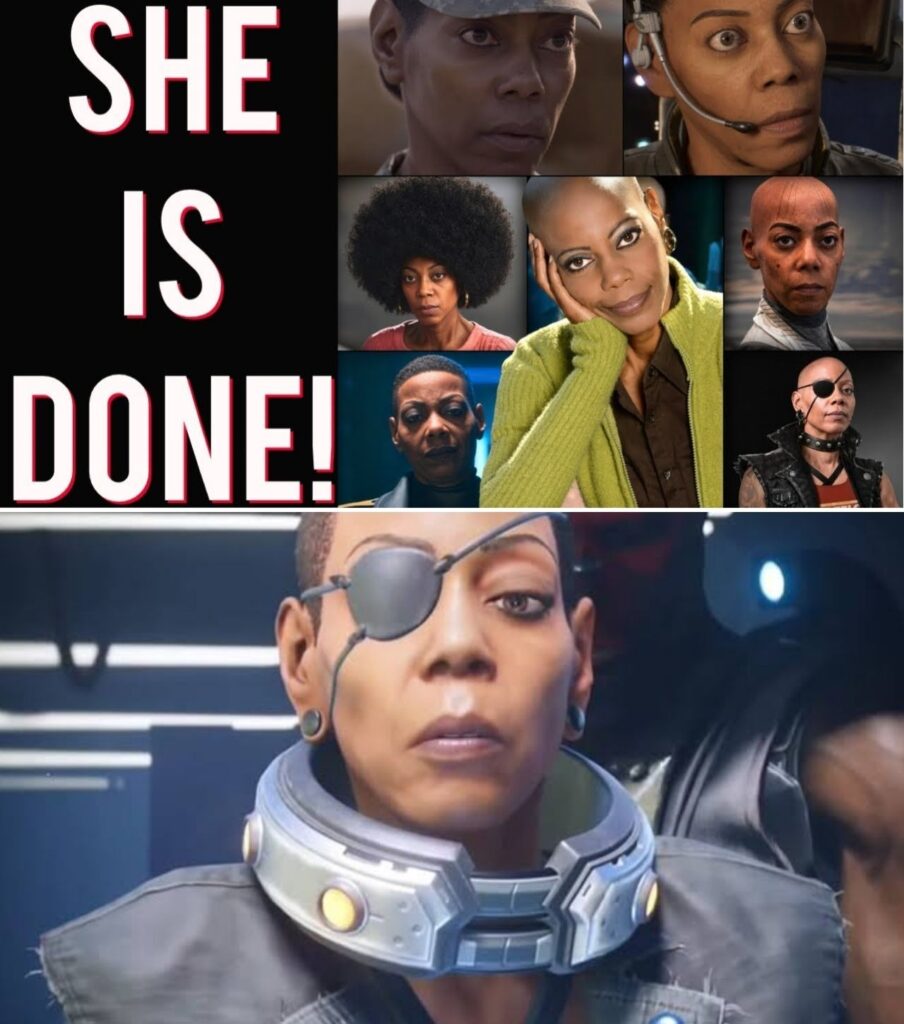



🚨 “STOP USING MY FACE!” — HOLLYWOOD ACTRESS SLAMS MAJOR GAME DEVELOPERS! 🎮💥
Gamers are losing their minds as veteran actress Debra Wilson finally breaks her silence and calls out AAA game studios for a lazy industry trend that’s gone way too far. From Wolverine and Star Wars to Suicide Squad, her face is literally everywhere—and she says she didn’t even want it! 😱
Fans have been complaining for years that modern game characters look less like their iconic comic book counterparts and more like their motion-capture actors. But when the actual actress steps up and admits she’d rather play characters that don’t look like her so she can actually act, the internet completely implodes!
Why are studios forcing this bizarre trend onto players? The jaw-dropping truth behind modern game design is right here…
👉 Click here to uncover the full story! 🔥
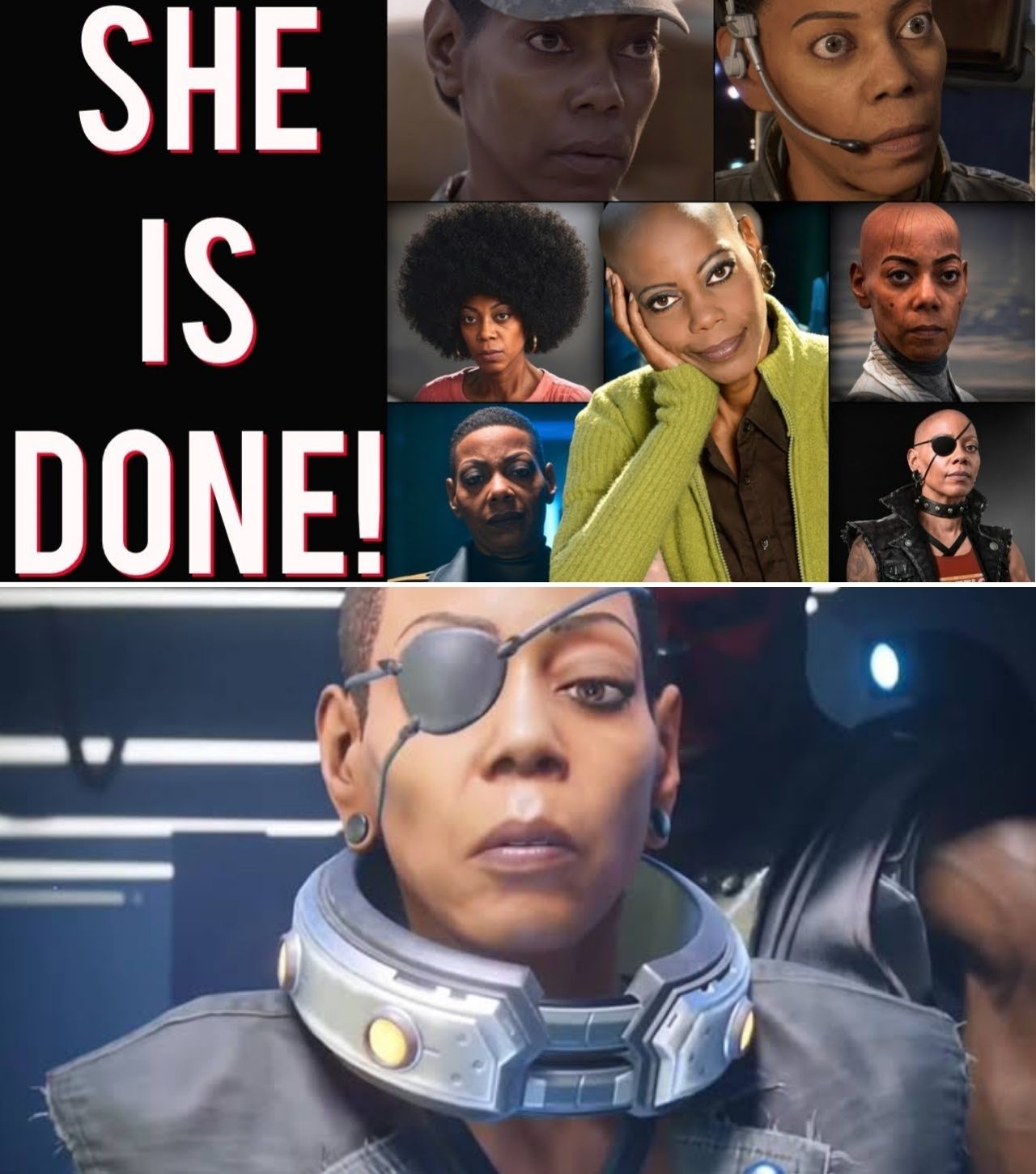
In an unexpected turn of events that has ignited a massive debate across the gaming community, veteran actress and performance capture pioneer Debra Wilson has publicly criticized major video game studios for a persistent design trend: forcing characters to share the exact likeness of their voice and motion-capture actors.
The conversation exploded following a viral interview clip where Wilson—whose likeness has famously appeared across several major titles including Star Wars Jedi, Suicide Squad: Kill the Justice League, Wolfenstein, and upcoming blockbusters like Marvel’s Wolverine—admitted that the decision to plaster her face onto iconic characters comes entirely from the developers, not her. The revelation has reignited fierce discussions regarding artistic integrity, character design, and why modern AAA games are increasingly struggling to connect with core audiences.
The “Actor Cloning” Epidemic in Modern Gaming
For years, gamers and industry commentators have criticized a growing trend among AAA developers: substituting iconic, comic-accurate character designs with the literal faces of their voice actors. Recent titles—ranging from upcoming comic book adaptations to high-profile action games—have faced backlash for characters that resemble their performers rather than the legendary heroes and villains fans grew up reading in comics or playing in classic arcade eras.
Critics of the trend argue that video games are a distinct visual medium separate from live-action cinema. When iconic figures like Wolverine or various comic book personalities are redesigned to mirror Hollywood or performance-capture actors, it often creates a disconnect for players looking to escape into fantasy realms.
This friction was brought front and center by Wilson, who addressed the phenomenon head-on during a recent appearance on Joseph Shepherd’s channel. Breaking down her extensive resume of digital avatars, Wilson laid the responsibility squarely on game designers and studios.
“I Want to Escape Into a Character”: Debra Wilson Speaks Out
During the interview, Wilson candidly discussed how pervasive her digital likeness has become in the industry. Enumerating her roles, she pointed out projects like Star Wars Jedi: Fallen Order, Suicide Squad: Kill the Justice League (where she provided the likeness and voice for Amanda Waller), Wolfenstein: The New Colossus (as Grace Walker), and her upcoming appearance as Callisto in Marvel’s Wolverine.
Rather than celebrating the constant reproduction of her visage, however, Wilson expressed a surprising sentiment: she actually prefers when characters don’t look like her.
“The game designers do that, I don’t do that,” Wilson explained, noting that studios routinely make the executive decision to map her facial structure onto diverse digital avatars. “I honestly love games where they don’t look like me at all… Because it’s like being on stage, I might as well just go and do theater. Doing performance capture is like doing theater to a certain extent… but if it just looks like me, then how do you get a chance to really escape into a character?”
Wilson emphasized that established fictional figures—such as the X-Men universe’s Callisto—have decades of distinct comic book history and varied artistic iterations. Forcing a single real-world actor’s facial geometry onto these legacy roles, she suggests, strips away a layer of creative separation that performers rely on to truly embody a role.
The Broader Industry Crisis: Chasing Hollywood Prestige
Wilson’s candid critique struck a chord within the gaming community, fueling existing frustrations over how modern AAA studios approach production. Commentators and content creators have pointed out that while high-profile casting makes sense in specific contexts—such as Keanu Reeves’ iconic integration into Cyberpunk 2077—applying a blanket “Hollywood prestige” approach to every title is driving up production costs and alienating fans.
As budgets for blockbuster video games continue to balloon past traditional cinematic milestones, studios are increasingly chasing live-action realism and celebrity assimilation. Yet, as both players and industry veterans like Debra Wilson point out, the heart of gaming has always lived in stylized imagination and faithful adaptation rather than digital cloning.
As the debate continues to unfold online, the industry faces a growing question: Will major studios listen to the audience—and their own actors—and bring back comic-accurate, imaginative character design, or will the “actor cloning” trend continue to dominate the AAA landscape?

Leave a Reply