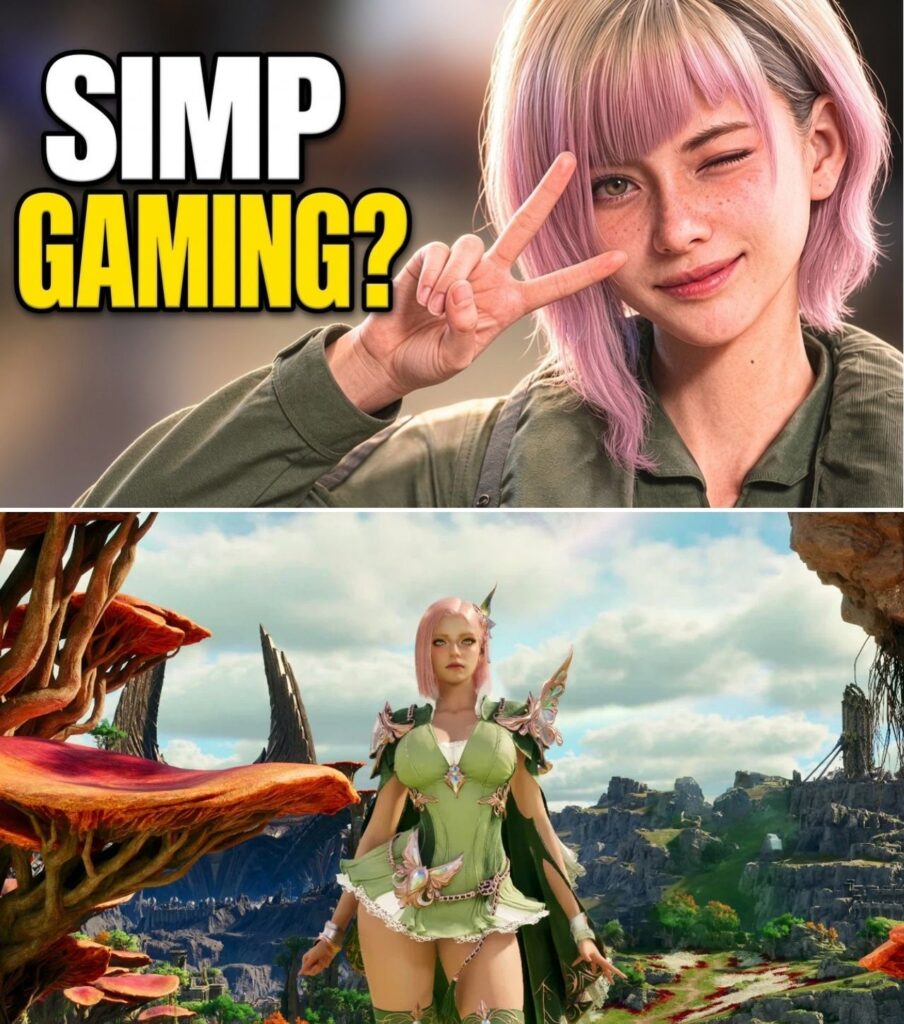



🚨 The gaming industry has officially crossed into the era of “Simp Gaming”—and the sales numbers are absolutely destroying the purists!
While bloated, lecture-heavy western AAA titles keep crashing and burning, games that lean unapologetically into gorgeous aesthetics, jaw-dropping character designs, and pure visual eye-candy—like Aion 2 and Ace Combat 8—are taking over the market. 🔥
Gamers are tired of being shamed for wanting good-looking characters and epic fantasy worlds. They want stunning visuals, incredible aircraft, and games built to entertain rather than preach. Why are aesthetic-driven titles laughing all the way to the bank while corporate moralists watch their multi-million dollar projects flop?
The unfiltered truth about why looks sell, how player preferences are reshaping the industry, and why the “simp gaming” revolution is here to stay will blow your mind. 👇
🔥 [Click here to uncover the full story and see why visual appeal is dominating modern gaming!]
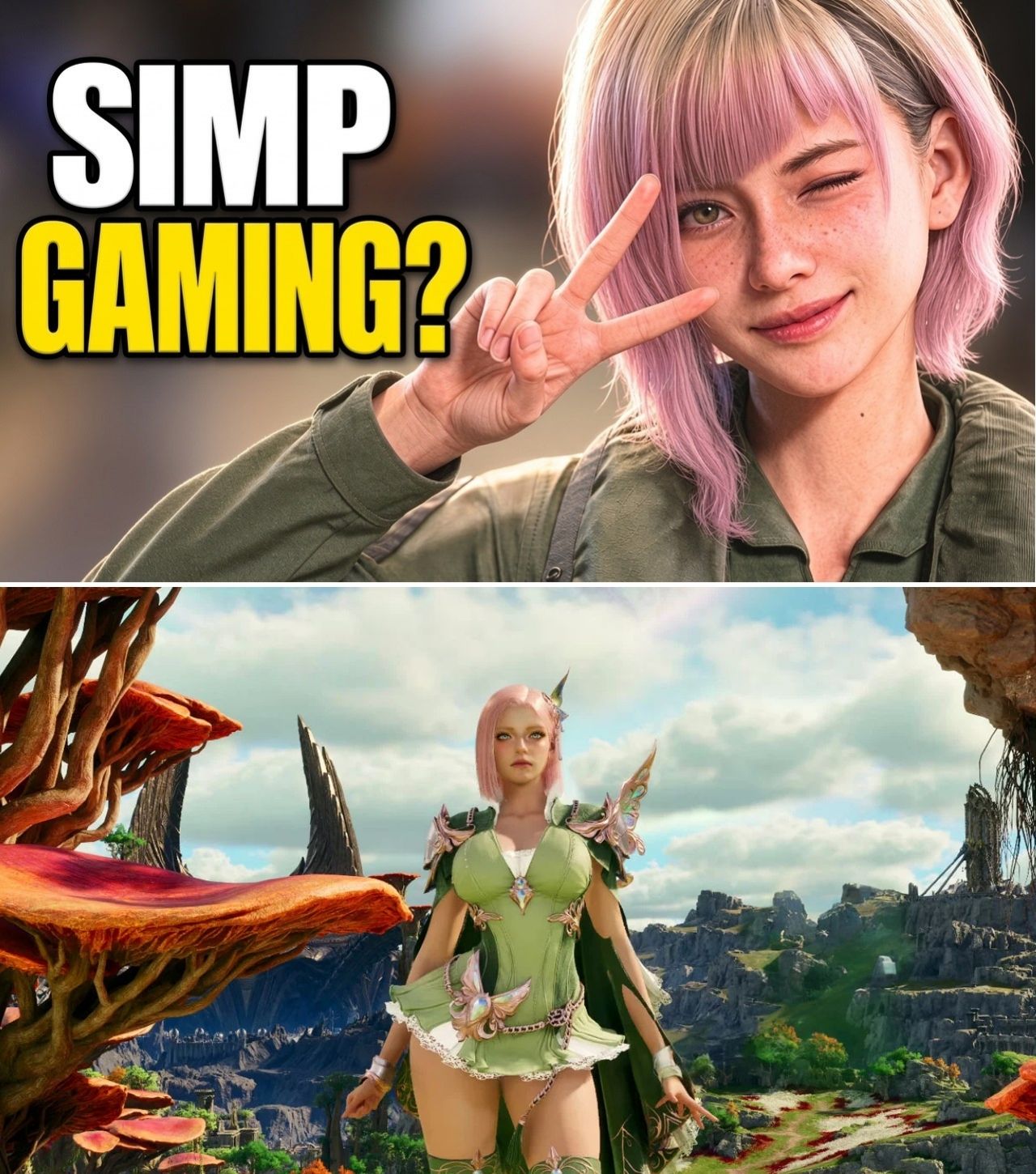
The video game industry is experiencing a profound philosophical realignment. For years, a vocal segment of western game developers, activist critics, and corporate PR managers attempted to dictate what players should find acceptable in character design and artistic presentation. Terms like the “male gaze” were weaponized to push hyper-stylized, aesthetically pleasing characters out of mainstream triple-A development in favor of toned-down, “realistic,” and often unappealing designs.
However, the free market has delivered an unmistakable verdict. As players reject lectures and ideological conformity, the industry is witnessing the unstoppable rise of what cultural commentators term “Simp Gaming”—a colloquial descriptor for titles that unapologetically embrace gorgeous character designs, high-end visual eye-candy, and exhilarating aesthetics. High-profile examples like Aion 2 and the soaring anticipation surrounding Ace Combat 8 highlight a fundamental truth of entertainment: visual appeal sells, and players want to look at cool things when they play video games.
The Economics of Visual Appeal: Why Players Buy What They Want to See
For decades, the core appeal of video games has been escapism. Whether stepping into the polished boots of a military pilot or journeying through high-fantasy MMORPG realms, players seek visual splendor. Yet, recent years saw a bizarre corporate pivot where major western studios actively avoided designing attractive protagonists, fearing backlash from fringe online activists.
In stark contrast, studios focusing on games like Aion 2—with its breathtaking character models, intricate fantasy costumes, and lush artistic direction—and Ace Combat 8—leveraging cutting-edge graphics to render jaw-dropping, ultra-detailed fighter jets against cinematic skies—understand their audiences. They design products that cater directly to what core gamers actually want to see.
Pop-culture analysts and commentators, including recent breakdowns from digital media networks like Clownfish TV, have dissected this shift as a return to common sense. “You don’t have to hyper-sexualize every single character, but you have to admit that aesthetic appeal helps,” industry observers note. When developers respect the visual desires of their consumer base rather than treating them with moral condescension, the financial results speak for themselves.
The Community Backlash Against “Puritanical” Game Design
The rise of aesthetic-first gaming is not happening in a vacuum; it is a direct reaction against years of forced stylistic downgrades in western media. Gamers across Reddit, X (formerly Twitter), and Discord have grown increasingly vocal in their frustration over modern character models that appear deliberately bland, frumpy, or uninspired under the guise of “realism” or “modern sensibilities.”
Key pillars driving the community’s embrace of aesthetic-driven titles include:
-
Escapism Over Lectures: Players play games to escape reality, unwind, and enjoy worlds populated by striking, heroic, or visually captivating figures—not to be policed on aesthetic preferences.
-
The Cosplay Test: A recurring community litmus test for character design is fan engagement. While bland, toned-down character redesigns routinely fail to inspire cosplayers or fan artists, striking designs from titles like Stellar Blade, Aion, and classic franchises instantly dominate community creation spaces.
-
Respecting the Core Audience: Successful franchises understand who buys their games. Ignoring the primary demographic in pursuit of outside validation consistently leads to commercial underperformance.
Content creators across YouTube have championed this shift, pointing out that players are voting with their wallets. When given a choice between a lecture-heavy, aesthetically neutered western release and a visually stunning, high-fantasy or high-action title from developers who actually like their audience, consumers overwhelmingly choose spectacle.
Ace Combat 8 and Aion 2: Masters of Visual Immersion
Both Aion 2 and Ace Combat 8 exemplify why aesthetic execution matters on a fundamental level.
In Aion 2, the continuation of NCSoft’s legendary MMORPG franchise, the visual fidelity, expansive open worlds, and meticulously detailed character customization tap directly into what made online role-playing games magical in the first place. Players want to craft avatars they can be proud of, exploring vibrant worlds that pop with color and imagination.
Similarly, Ace Combat 8 relies entirely on sensory immersion. The franchise has never pretended to be a gritty simulator of bureaucratic warfare; it is an arcade-infused celebration of high-speed dogfights, incredible aircraft engineering, and cinematic sky-high heroics. By leaning into the sheer coolness of its subject matter—sleek jets, thunderous missile trails, and operatic musical scores—it delivers the exact dopamine hit players crave.
The Future of Entertainment: Delivering What Gamers Want
As the dust settles on the turbulent culture wars of the mid-2020s, the lesson for the gaming industry is crystal clear. Attempting to shame consumers out of their aesthetic preferences is a failing business model. Studios that embrace visual splendor, respect their audiences, and prioritize pure entertainment value are reaping massive rewards, while moralizing corporate projects continue to flounder.
The “Simp Gaming” revolution is more than just a meme—it is a market correction proving that beauty, coolness, and visual escapism will always reign supreme in interactive entertainment.

Leave a Reply