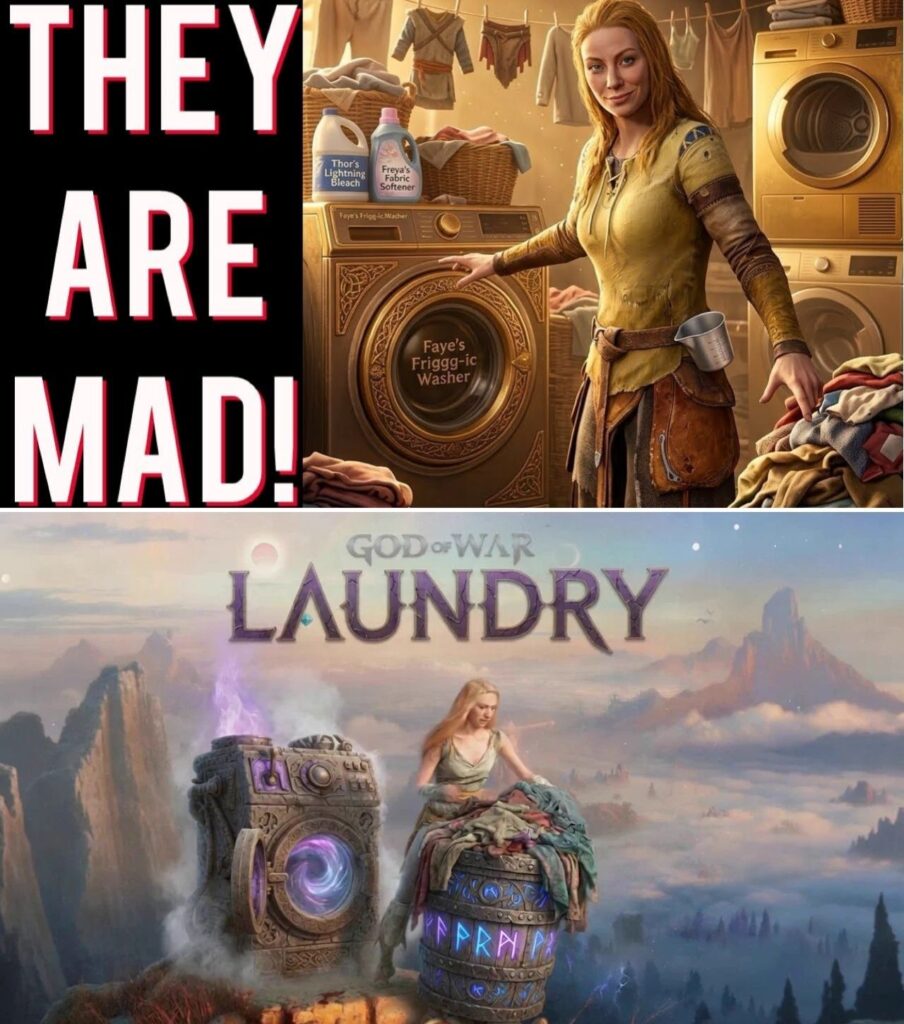



🚨 The panic from Sony defense squads is reaching an absolute fever pitch—and the internet is calling out the massive hype machine!
As rumors and details surrounding the upcoming God of War: Laufey project send shockwaves through the community, mainstream media shills are scrambling into overdrive to run damage control. Some outlets are even trying to claim the game is generating the exact same hype level as GTA 6! 🤯
Is Sony genuinely sitting on a generational masterpiece, or is this the most desperate manufactured PR push in gaming history? Fans are roasting the absurd comparisons, tearing apart the narrative direction, and exposing the corporate panic behind closed doors.
The unfiltered truth about the Laufey project, the laughable hype comparisons, and why players aren’t buying the corporate narrative will leave you shaking your head. 👇
🔥 [Click here to uncover the full story and see why everyone is laughing at the media’s desperate damage control!]
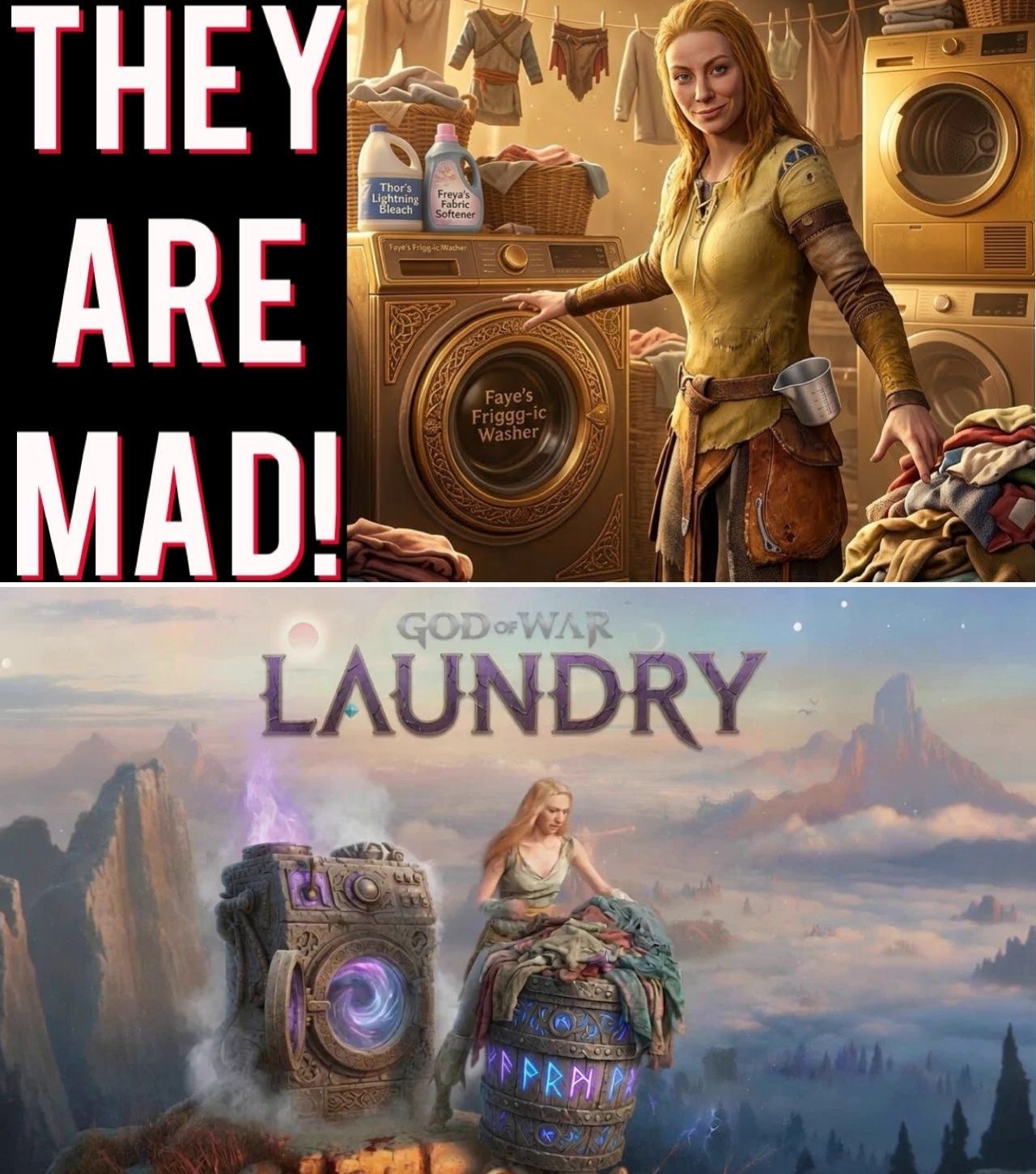
The modern video game marketing machine has officially entered a realm of self-parody. As publishers grapple with shrinking consumer trust, skyrocketing development budgets, and volatile public receptions, promotional campaigns are becoming increasingly desperate. The latest battleground in the ongoing culture and hype war centers around Sony’s expanding God of War franchise, specifically centered on the rumored or announced Laufey project.
As skepticism spreads across community hubs like Reddit, X (formerly Twitter), and Discord regarding the narrative direction and necessity of the project, a fascinating phenomenon has emerged: mainstream media defenders and digital PR squads have kicked into high gear, attempting to shield the studio from criticism. Some commentators have even gone so far as to claim that the upcoming title is generating hype levels rivaling Rockstar Games’ astronomical juggernaut, Grand Theft Auto VI—a comparison that has ignited uproarious laughter and fierce pushback across the gaming community.
The Anatomy of a PR Panic: Manufacturing Hype in a Skeptical Market
The gaming landscape of late 2026 is defined by consumer fatigue. Following a string of expensive AAA disappointments, botched PC ports, and politically charged narrative shifts, players are no longer willing to take corporate promises at face value. When details or teasers regarding the God of War: Laufey project surfaced, they were met not with unbridled excitement, but with cautious skepticism and fatigue regarding prequel oversaturation.
Recognizing the chilly public reception, industry defense networks—often colloquially referred to by the community as “Sony shills”—immediately mobilized. Rather than allowing the discussion to focus on legitimate fan concerns regarding franchise pacing, creative direction, and whether Laufey’s backstory warrants a standalone blockbuster, mainstream apologists began amplifying hyperbolic marketing talking points.
Prominent pop-culture analysts and commentators, including recent breakdowns from digital media networks like Clownfish TV, have spotlighted the sheer absurdity of these defense campaigns. Comparing any upcoming single-player narrative spin-off to the historic, culturally unprecedented momentum of GTA 6 is viewed by industry insiders as an act of pure desperation. “When you have to compare your game’s hype to Rockstar’s biggest title just to keep investor confidence afloat, you’ve already lost the room,” media analysts noted.
Community Backlash: Reddit, X, and the Death of Blind Loyalty
The disconnect between corporate PR narratives and grassroots gamer sentiment has created a massive chasm across social media platforms. On Reddit and X, users have flooded forums with memes mocking the exaggerated press releases and defensive articles attempting to frame any criticism of the Laufey project as “toxic gatekeeping.”
Key criticisms driving the community backlash include:
-
Prequel Fatigue: Fans argue that Kratos and Atreus’s Norse arc reached a definitive emotional conclusion in God of War Ragnarök, making a backward-looking narrative exploration feel unnecessary.
-
Manufactured Consensus: Gamers are increasingly vocal about spotting coordinated PR pushes, where major gaming outlets publish glowing, preemptive defense pieces ahead of any substantial gameplay reveals.
-
The “GTA 6” Comparison Backlash: Labeling a standard franchise spin-off as a peer to GTA 6 has become a punchline, symbolizing how out of touch modern corporate PR firms are with actual consumer enthusiasm.
Content creators across YouTube and Twitch have dissected the panic, pointing out that players are exhausted by studios trying to dictate how they should feel about entertainment products instead of letting the quality of the game speak for itself.
The Broader AAA Crisis: Why Studios Can No Longer Spin Failures
The frantic damage control surrounding God of War: Laufey highlights a deeper systemic illness within modern Western-influenced AAA publishing. For years, massive publishers relied on a predictable playbook: when fan pushback or skepticism arose, sympathetic media outlets would run defense narratives, labeling critics as a vocal minority while propping up pre-release metrics.
However, in the wake of widespread studio restructuring, massive layoffs, and financial corrections across the industry, that playbook is failing. Consumers are voting with their attention and wallets, prioritizing authentic, community-tested titles over heavily manicured corporate announcements.
When a multi-billion-dollar brand has to rely on hyperbolic comparisons to artificial hype generators just to quiet social media dissent, it proves that the traditional barrier between publisher marketing and player reality has completely shattered. Gamers no longer accept being told what to be excited about—they demand transparency, respect for established lore, and genuine creative innovation.
The Road Ahead
As more details about the God of War: Laufey project inevitably emerge, Sony and its associated marketing teams face an uphill battle. If the final product delivers exceptional gameplay and a compelling narrative, the current PR noise will quickly be forgotten. However, if the game relies on forced messaging and inflated hype to mask substantive shortcomings, the backlash will only accelerate the industry’s ongoing reckoning.
For now, the internet remains unconvinced, watching every press release with a cynical eye and proving once and for all that no amount of corporate damage control can manufacture genuine consumer magic.

Leave a Reply