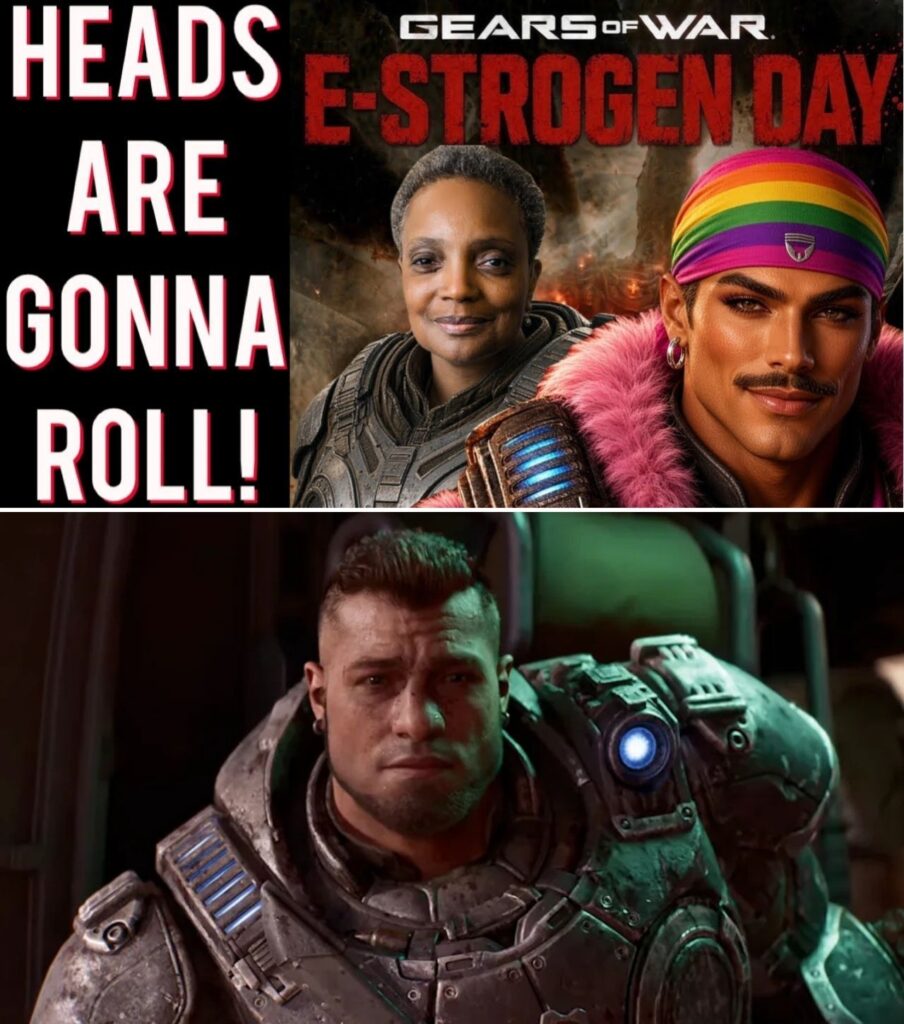



🚨 The absolute panic at Xbox is real—and gamers just caught them red-handed scrubbing store tags!
Gears of War: E-Day was supposed to be the ultimate nostalgia trip, bringing back Marcus Fenix and Dom Santiago. But as players flooded into the game, they discovered a massive bait-and-switch: the real focus shifted to a new character, leading to an immediate culture-war explosion! 💥
Now, internet detectives have busted Xbox and The Coalition quietly scrubbing LGBTQ+ store tags right off Steam after massive backlash, replacing them with standard multiplayer tags. Why are developers suddenly hiding their prized messaging the second the sales numbers and community rage start boiling over? Is this corporate cowardice or total damage control?
The unfiltered truth behind the store tag cover-up, the bait-and-switch character controversy, and why fans are declaring war on modern writing will leave your jaw on the floor. 👇
🔥 [Click here to uncover the full scandal and see what Xbox is desperately trying to hide!]
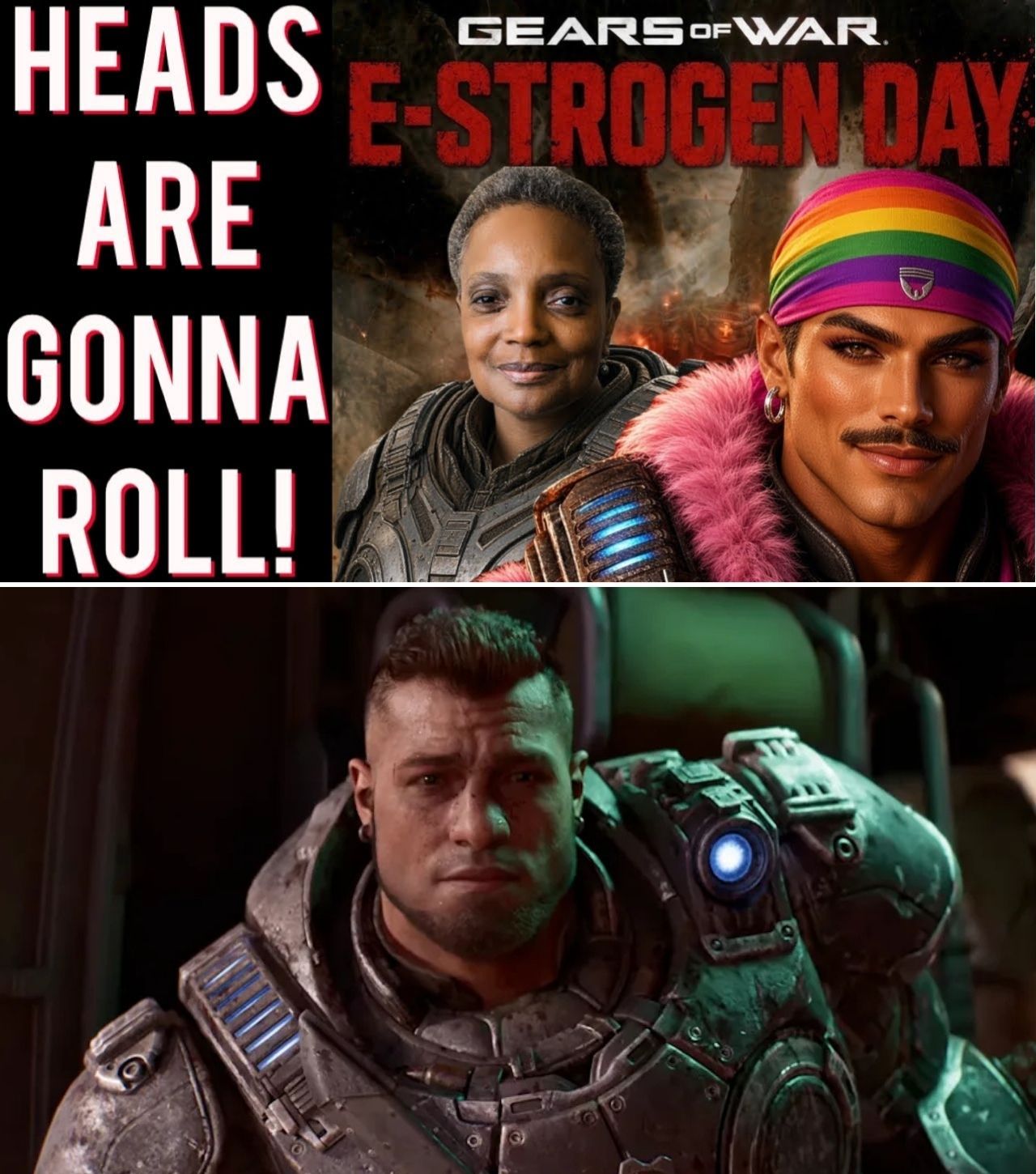
The launch of Gears of War: E-Day was supposed to be a triumphant, nostalgic homecoming for Xbox’s crown-jewel shooter franchise, returning fans to the gritty origins of Emergence Day alongside beloved icons Marcus Fenix and Dom Santiago. Instead, the game’s release has detonated into one of the most volatile culture-war controversies of the year, marked by accusations of deceptive marketing, character bait-and-switches, and frantic corporate damage control.
As player counts and community reactions flooded social media platforms like X (formerly Twitter), Reddit, and Discord, sharp-eyed gamers uncovered a startling development: Microsoft and developer The Coalition were allegedly caught quietly altering store tags on Steam, scrubbing prominent LGBTQ+ identifiers in the wake of mounting consumer backlash. The incident has cast a harsh spotlight on the widening chasm between modern triple-A game developers and their core audiences.
The Bait-and-Switch: Marketing vs. In-Game Reality
The controversy began almost immediately as players unboxed and booted up E-Day. Promotional campaigns leading up to the release heavily leaned into nostalgic, adrenaline-fueled marketing focusing squarely on Marcus and Dom, promising a return to the classic testosterone-drenched camaraderie that defined the original Xbox 360 trilogy.
However, upon diving into the campaign, players quickly realized that the narrative focal point shifted toward a newly introduced character, Mags Carter. Across community forums and video breakdowns by prominent commentators—such as recent deep-dives from digital analyst network YellowFlash—fans expressed intense frustration over what many characterized as a classic bait-and-switch.
Critics argue that rather than letting veteran heroes drive the emotional core of the prequel, the narrative places the new character front and center, steering the dialogue, leadership beats, and emotional stakes. “You crack it open thinking you’re going back to hanging out with old friends, and you get a completely different story focus,” community reviewers pointed out. The inclusion of heavy-handed dialogue quips and modern narrative tropes has alienated long-term fans who felt the tone strayed too far from the grim, high-stakes survival horror of early Gears titles.
The Steam Tag Scrubbing Scandal: Corporate Panic or Damage Control?
Adding fuel to an already blazing fire, internet sleuths noticed a peculiar administrative shift on the game’s digital storefronts. Prior to launch, prominent store tags on platforms like Steam prominently featured LGBTQ+ identifiers positioned directly alongside core genre descriptors like action, gore, and shooter.
However, following a tidal wave of negative press, social media mockery, and fierce debate, users discovered that developers had quietly gone in and modified the tags, replacing the identity markers with conventional gameplay tags like multiplayer and third-person shooter.
The move triggered instant accusations of corporate cowardice and hypocrisy. Community members questioned why a studio that aggressively championed progressive representation in promotional materials—boasting about pride flags and narrative inclusion before core gameplay mechanics in some online discussions—would suddenly erase those exact tags the moment commercial and public friction intensified.
“Why are you removing the tags and putting multiplayer on there?” commentators questioned online. “If it was so central to your artistic vision, why are you seemingly ashamed of it now that the backlash has arrived?”
The Broader Debate: Who Are Modern Video Games Made For?
The E-Day controversy has reignited the fiercely polarized industry debate regarding target demographics, creative freedom, and the expectations of primary consumer bases. Mainstream creators across YouTube and Twitch—ranging from critical video essayists to prominent streamers like Asmongold—have weighed in heavily on the systemic friction plaguing modern western game development.
The core argument driving the anti-establishment sentiment centers on audience alignment:
-
The Primary Demographic: Analysts and content creators emphasize that tactical shooters and gritty military action franchises like Gears of War historically draw an overwhelmingly male demographic that values immersive world-building, high-octane action, and traditional heroic archetypes.
-
Activism vs. Entertainment: Critics argue that modern writing rooms are frequently populated by activist-driven creatives who prioritize ideological messaging and personal representation over commercial viability and fan satisfaction.
-
The Economics of Failure: With development budgets soaring into hundreds of millions of dollars, repeated miscalculations alienating core buyers have accelerated studio layoffs, budget cuts, and corporate restructuring across the board.
Conversely, defenders of modern narrative directions argue for creative diversity, pushing back against what they view as exclusionary gatekeeping and encouraging broader storytelling horizons in interactive entertainment. However, as box office bombs and digital storefront underperformances pile up across the industry, the economic reality is becoming increasingly difficult for publishers to ignore.
The Fallout and the Road Ahead
As the dust settles on the turbulent launch week of Gears of War: E-Day, the incident stands as a case study in modern media miscommunication. When publishers attempt to market a nostalgic product to a dedicated core audience while injecting polarizing ideological shifts, the ensuing collision between corporate expectations and consumer pushback is inevitable.
Whether Microsoft and The Coalition can steady the ship through patches, multiplayer updates, and community outreach remains to be seen. What is clear, however, is that the era of quiet corporate messaging without accountability is over. Gamers are watching every metadata change, scrutinizing every narrative shift, and voting with their wallets louder than ever before.

Leave a Reply