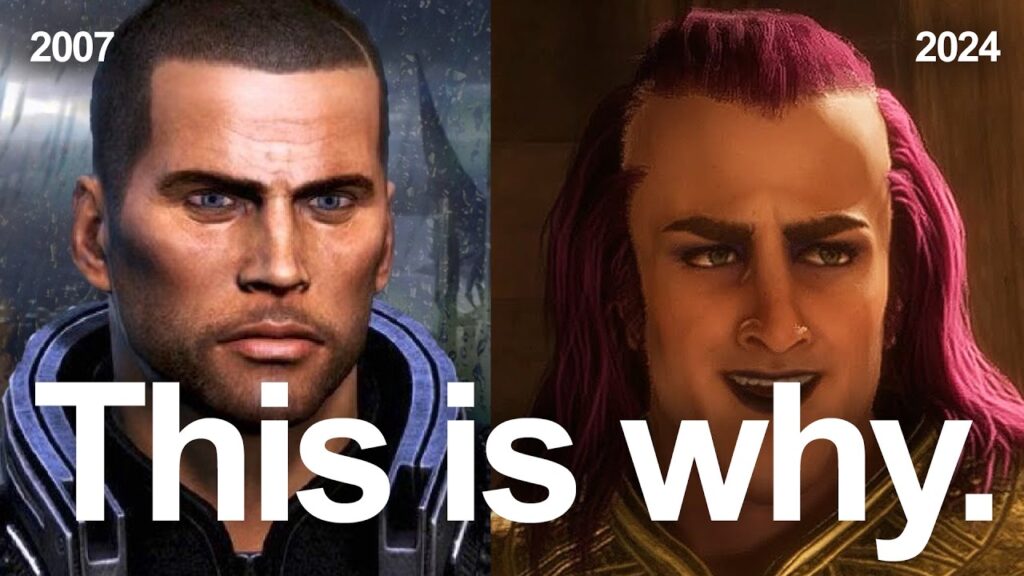



🚨 EXPOSED: THIS IS WHY BIOWARE ACTUALLY DIED! ☕💥
The internet is absolutely losing its mind over a leaked video compilation exposing the cringey writing, broken dialogue logic, and bizarre character interactions that completely destroyed modern BioWare from the inside out! 😱
When you see how far the studio fell—turning legendary dark fantasy and sci-fi epics into disjointed, MCU-style coffee shop chatter and bizarre meme humor—it all makes sense. Fans on YouTube and X are dragging the writing room through the mud, proving that the corporate suits didn’t just kill a studio; the writers killed the soul first!
Is this the most embarrassing creative collapse in gaming history? The comments are an absolute war zone. 👇🔥
👉 WATCH THE EXPOSÉ & READ THE FULL BREAKDOWN HERE:
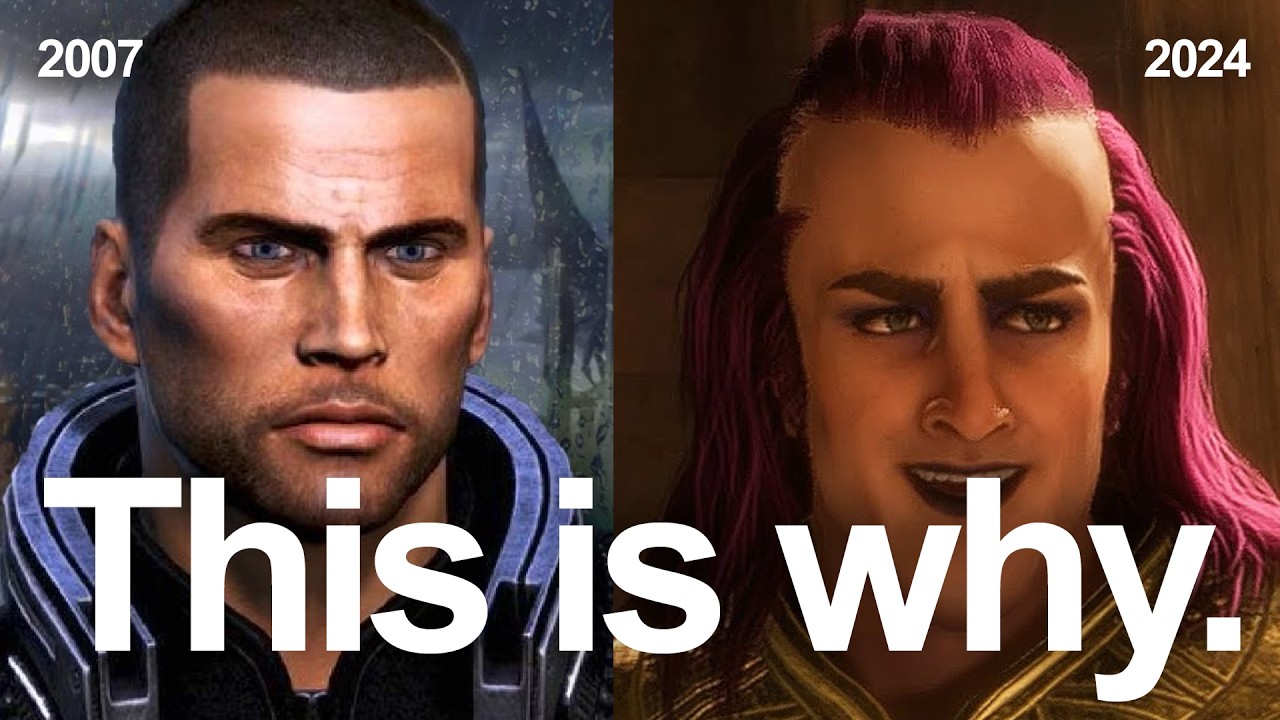
In the wake of Electronic Arts’ official decision to sunset BioWare and cancel early development on the next Mass Effect, post-mortems across the gaming community have turned from corporate balance sheets to an even more fundamental question: How did a studio renowned for writing some of the most iconic narratives in gaming history lose its creative identity so completely?
As industry commentators, video essayists, and frustrated fans dissect the studio’s final years—exemplified by viral critique videos highlighting the bizarre tonal shifts in Dragon Age: The Veilguard—a consensus is emerging among long-time followers. The downfall of BioWare wasn’t merely a financial casualty of corporate restructuring; it was the result of a profound creative disconnect, where legendary storytelling was replaced by modern, self-aware dialogue, superficial character quirks, and meme-heavy writing that alienated the core fan base.
The Anatomy of a Writing Collapse: From Origins to The Veilguard
To understand why clips from BioWare’s final releases have sparked such intense community backlash, one must examine how radically the studio’s writing style shifted over a decade.
In foundational titles like Baldur’s Gate, Star Wars: Knights of the Old Republic, and Dragon Age: Origins, BioWare built its reputation on high-stakes moral dilemmas, grimdark world-building, and weighty dramatic tension. Characters had distinct cultural identities, flaws, and ideological friction that reflected the harsh realities of their fictional universes.
By contrast, critical breakdowns of late-era BioWare dialogue—popularized on YouTube channels such as AndyPants Gaming and community forums on Reddit—highlight a jarring shift toward what critics describe as “Joss Whedon-esque” or “modern streaming” dialogue.
┌─────────────────────────────────────────────────────────────┐
│              The Evolution of BioWare Writing               │
├──────────────────────────────┬──────────────────────────────┤
│ Classic Era (Pre-2014)       │ Modern Era (2014–2024)       │
├──────────────────────────────┼──────────────────────────────┤
│ • Grimdark & serious tone    │ • Lighthearted, casual banter│
│ • Complex ideological debate │ • Modern slang & coffee tropes│
│ • Earnest character arcs     │ • Self-aware, ironic humor   │
│ • High-stakes moral choices  │ • Sanitized, therapeutic chat│
└──────────────────────────────┴──────────────────────────────┘
In viral video compilations examining in-game dialogue, scenes that should carry emotional gravity—such as postwar reckoning, companion trauma, or philosophical disagreements—are frequently undercut by trivial conversational tangents. Discussions about coffee brewing habits, awkward attempts at self-deprecating humor (“I just do this thing I do sometimes acting so people will like you“), and anachronistic modern sensibilities routinely replace the mythic cadence that once defined the studio’s output.
The “Coffee Shop” Critique and the Loss of Immersion
The inclusion of mundane, contemporary domestic tropes—such as characters obsessing over coffee preparation in a high-fantasy medieval setting—has become a central talking point among critics.
On platforms like X and Reddit’s r/CriticalDrinker, commentators argue that this style of writing represents a fundamental misunderstanding of what draws players to epic fantasy and science fiction. Instead of allowing players to escape into an immersive, alternate reality, modern dialogue often mirrors contemporary internet culture, complete with awkward pacing, hesitant stuttering tropes, and exaggerated emotional vulnerability delivered with casual detachment.
“When your dark fantasy heroes stop fighting ancient blights to awkwardly debate the nuances of a warm cup of coffee with the cadence of modern sitcom writers, you’ve lost the plot,” noted one widely shared critique on YouTube. “It destroys all dramatic tension.”
This tonal whiplash created an unnatural barrier between the player and the game world. Hardcore RPG fans who spent decades investing in the lore of Thedas or the Milky Way found themselves confronted with protagonists and companions who felt less like legendary heroes and more like modern writers projecting contemporary social anxieties onto medieval or interstellar canvases.
Community Backlash: The Battle Between Creative Freedom and Fan Expectations
The disconnect between modern writing philosophies and traditional fan expectations fueled a toxic feedback loop that ultimately contributed to poor word-of-mouth marketing for titles like Dragon Age: The Veilguard.
-
The Modernist Defense: Supporters of BioWare’s later narrative direction argued that humanizing fantasy characters through quirky dialogue, neurodivergent-coded quirks, and casual banter made them more relatable and modern. They praised the inclusivity and emotional accessibility of the character writing.
-
The Traditionalist Backlash: Critics, however, viewed these elements as preachy, sanitized, and creatively bankrupt. They argued that trying to inject 21st-century therapeutic language and ironic detachment into epic fantasy stripped the games of their unique identity.
As video breakdowns exposing these narrative missteps accumulated millions of views, public perception shifted rapidly. What was once viewed simply as a technical stumble by a storied studio began to be perceived by many gamers as an intentional abandonment of the artistic integrity that built BioWare’s empire.
Conclusion: Lessons from the Fall
The closure of BioWare and the shelving of franchises like Mass Effect mark the end of an era for AAA narrative role-playing games.
While corporate executives at Electronic Arts made the final decision based on balance sheets, cost-cutting targets, and prolonged development cycles, the community narrative points to a deeper truth: a studio cannot survive the loss of its creative soul. When storytelling becomes detached from the expectations of its audience, even the most prestigious intellectual property eventually collapses under the weight of its own disconnect.

Leave a Reply