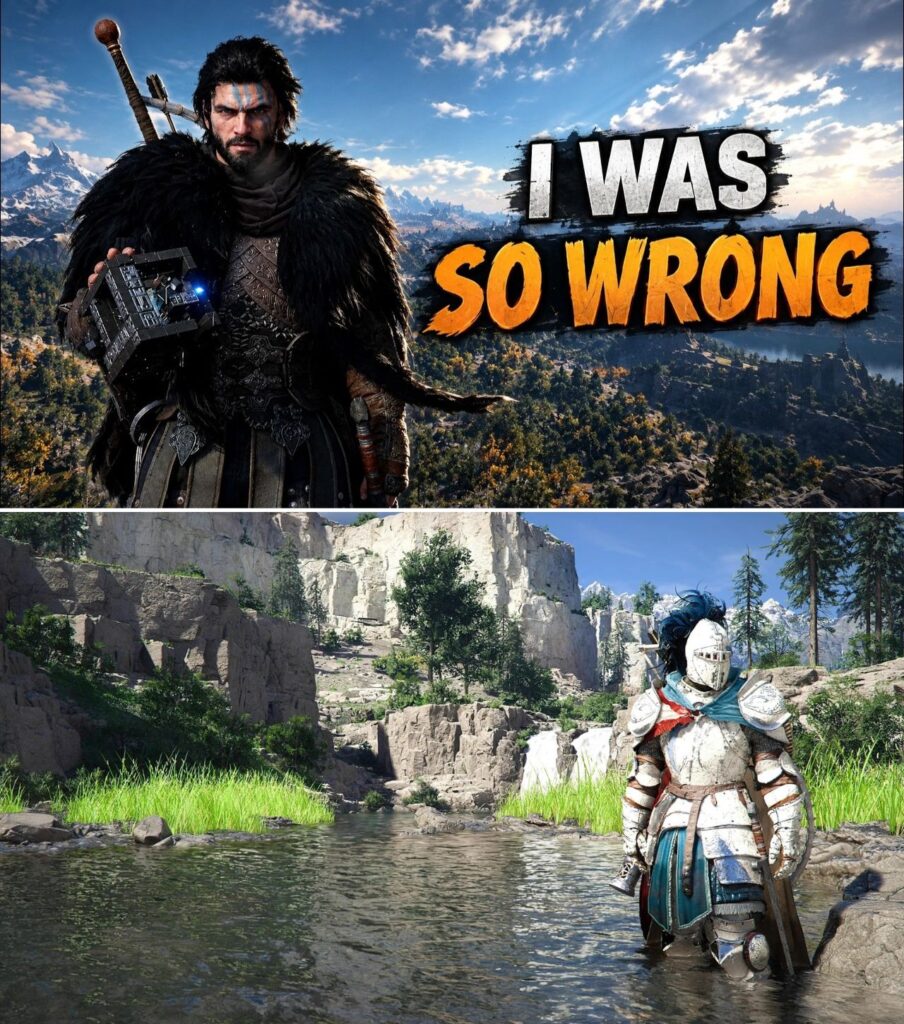



🚨 I HATED CRIMSON DESERT AT LAUNCH… BUT I WAS COMPLETELY WRONG! 🚨
Let’s be honest: when Pearl Abyss first dropped Crimson Desert, plenty of players—including myself—thought it was an overhyped, clunky mess. The open world felt utterly overwhelming, the narrative felt disconnected, and the combat made my Elden Ring-rotted brain want to throw the controller through the monitor. I was ready to write it off as a massive disappointment.
Months later, with a healthy active player base refusing to die and a massive DLC looming on the horizon, I decided to swallow my pride and dive back in. And guess what? I completely ate my words. Once you push past the initial learning curve, stop treating it like a linear story game, and finally master the reactive, combo-heavy combat system, everything clicks. From taking down tricky bosses using clever environmental counters to realizing why Pywel’s massive sandbox remains intensely addictive, the hype was real all along.
Are you still holding onto your launch-day grudges, or did you give it a second chance?
👉 Read why my entire perspective on Crimson Desert just flipped completely:
First impressions in the video game industry are notoriously unforgiving. When a title arrives carrying the weight of colossal expectations—promising revolutionary open-world exploration, visceral melee combat, and a massive continent to conquer—any friction encountered during those crucial opening hours can easily curdle into outright resentment.
Upon its initial launch, Crimson Desert was no stranger to this phenomenon. For many veterans nurtured on linear cinematic masterpieces or rigid soulslikes, Pearl Abyss’s grand open-world epic felt jarring, disjointed, and, frankly, overwhelming. Social media channels and community forums were filled with vocal critics dismissing the game as a clumsy jack-of-all-trades. Among those initial detractors was a significant portion of the player base who bounced off the game within the first ten hours, walking away convinced that the title’s sprawling ambition had outrun its execution.
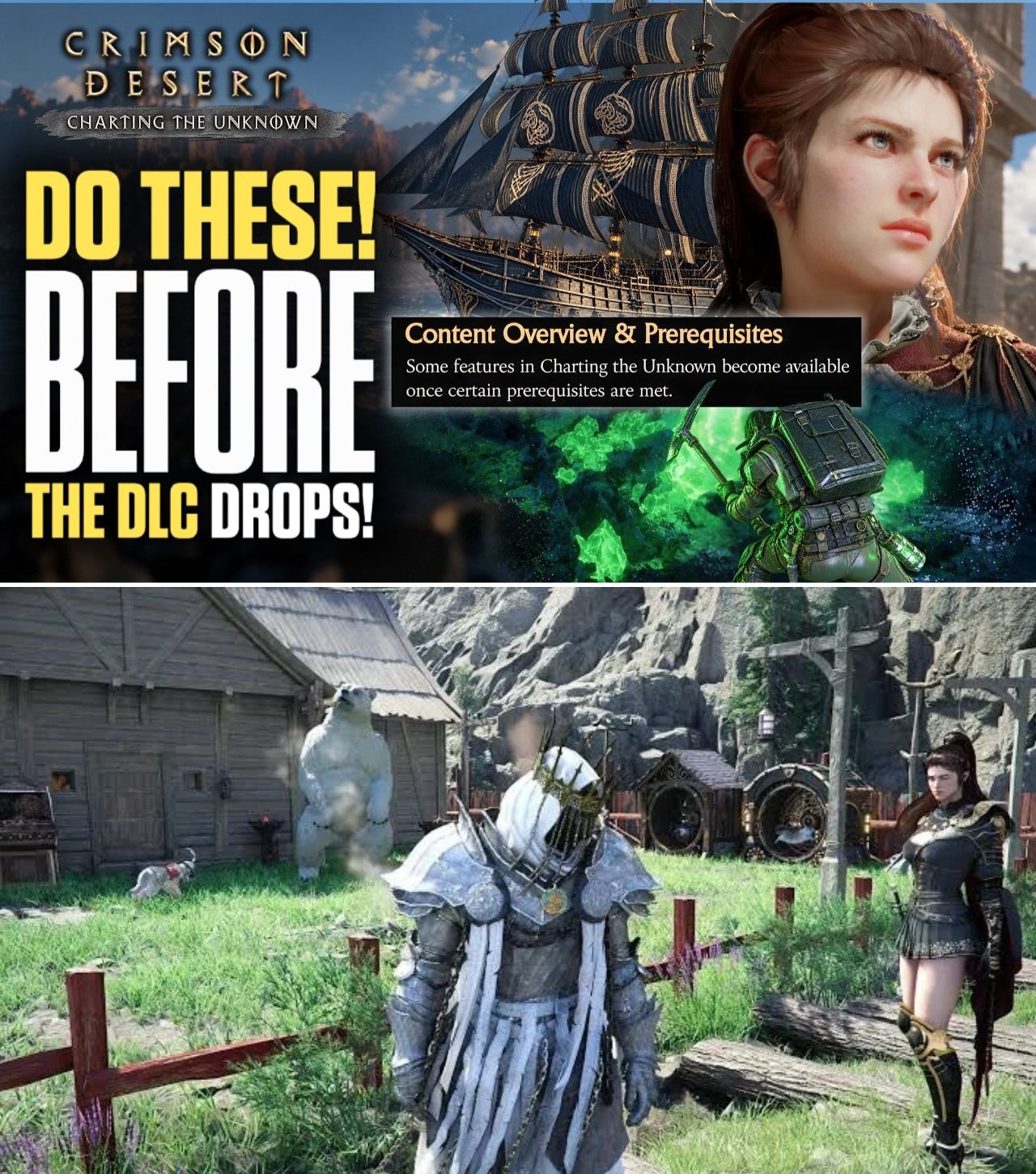
Yet, months later, something peculiar happened. While typical single-player games experience a sharp drop-off in community engagement post-launch, Crimson Desert maintained a fiercely loyal, active player base. Discussions continued to thrive, clips of complex combat combos circulated widely, and anticipation for the upcoming Charting the Unknown expansion began to eclipse competing releases.
Was the community missing something fundamental, or had early players simply judged the book by its difficult opening chapters? To find out, a comprehensive revisit to Pywel was necessary—stripping away launch-day bias, confronting past frustrations, and examining what makes Crimson Desert endure long after the initial dust has settled.
The Anatomy of Launch-Day Frustration: Why Players Bounced Off
To understand why a reversal of opinion is even possible, one must first dissect why Crimson Desert alienated so many players during its initial rollout.
1. The Narrative Disconnect
For gamers accustomed to tightly focused, linear narratives—think The Last of Us, God of War, or even the structured semi-open worlds of The Witcher 3—Crimson Desert presents a jarring structural hurdle. The game drops players into a vast open world as Kliff, tasking them with rallying the Greymane mercenaries and settling scores with rival factions like the Black Bears. However, in the early hours, the overarching narrative thread can feel loose and ungrounded. Without immediate, intimate narrative hooks tying the player emotionally to the overarching conflict, wandering through the wilderness can easily feel like a series of disjointed chores rather than an epic journey.
2. The Overwhelming Scale of Pywel
Pywel is undeniably breathtaking, but its sheer scale can induce severe analysis paralysis. Unlike games that carefully shepherd players down curated paths using environmental design or aggressive waypoint signposting, Crimson Desert opens its arms wide and tells you to figure it out. For players accustomed to direct guidance, stepping out into a massive continent with dozens of competing activities, unmarked resources, and sprawling regional territories can feel less like freedom and more like being lost in a maze.
3. The Combat Learning Curve
For players coming from modern action-RPGs with standardized parry-and-dodge loops, Crimson Desert’s combat system initially registers as clunky and unnecessarily complex. The game relies heavily on a reactive, combo-heavy framework that demands patience and rhythm. In the opening hours, button-mashing yields sluggish animations and frustrating whiffs, leading many to mistakenly label the combat as unresponsive before ever unlocking its true mechanical depth.
The Turning Point: Discovering the True Heart of the Game
Stepping back into Pywel with a fresh perspective and discarding the pressure of content-farming or rushing through chapters reveals a completely different game underneath the surface. The turnaround hinges on two vital pillars: combat mastery and exploratory freedom.
Unlocking the Rhythm of Combat
Once you move past the initial hurdle of learning the controls, Crimson Desert’s combat engine emerges as one of the most rewarding and mechanically diverse systems in modern action gaming. It is not a rigid soulslike where memorizing enemy attack telegraphs is your sole recourse; rather, it is a dynamic playground of animation cancellations, weapon variety, and tactical positioning.
As you progress and unlock deeper tiers within the skill tree, skirmishes against bandits and elite bosses transform from frustrating button struggles into fluid, cinematic masterclasses. Encountering tougher bosses highlights the game’s hidden tactical layers. For instance, realizing that certain subterranean-drilling enemies have specific environmental vulnerabilities—such as timing a blind flash right as they breach the surface to open them up for devastating combo strings—demonstrates a level of encounter design that rewards observation over sheer mechanical twitch reflexes.
Embracing the Sandbox Reality
The second epiphany comes from accepting Crimson Desert for what it actually is: a true sandbox RPG rather than a linear cinematic journey. When you stop treating the open world as a checklist of chores and instead view it as a sprawling canvas for emergent gameplay, the pressure evaporates. While the sheer amount of content can still feel dense, taking things at your own pace—savoring the environmental storytelling, testing out weapon loadouts, and engaging with the world organically—reveals a level of craftsmanship that few modern studios achieve.
Conclusion: Reevaluating Preconceptions
The journey from outright rejection to genuine appreciation for Crimson Desert serves as a valuable reminder in modern gaming discourse. Initial impressions are frequently colored by personal expectations, burnout, or the frantic pace of content consumption.
While Crimson Desert is far from a flawless experience—and its unstructured narrative approach may never align with every player’s preference—dismissing it wholesale based on early friction means missing out on one of the most ambitious action-RPGs of the generation. As Pearl Abyss continues to refine the experience and prepare groundbreaking expansions, those who gave the game a second chance have discovered an undeniable truth: sometimes, the game hasn’t changed—your perspective has.

Leave a Reply